

Cytoprotective Peptides
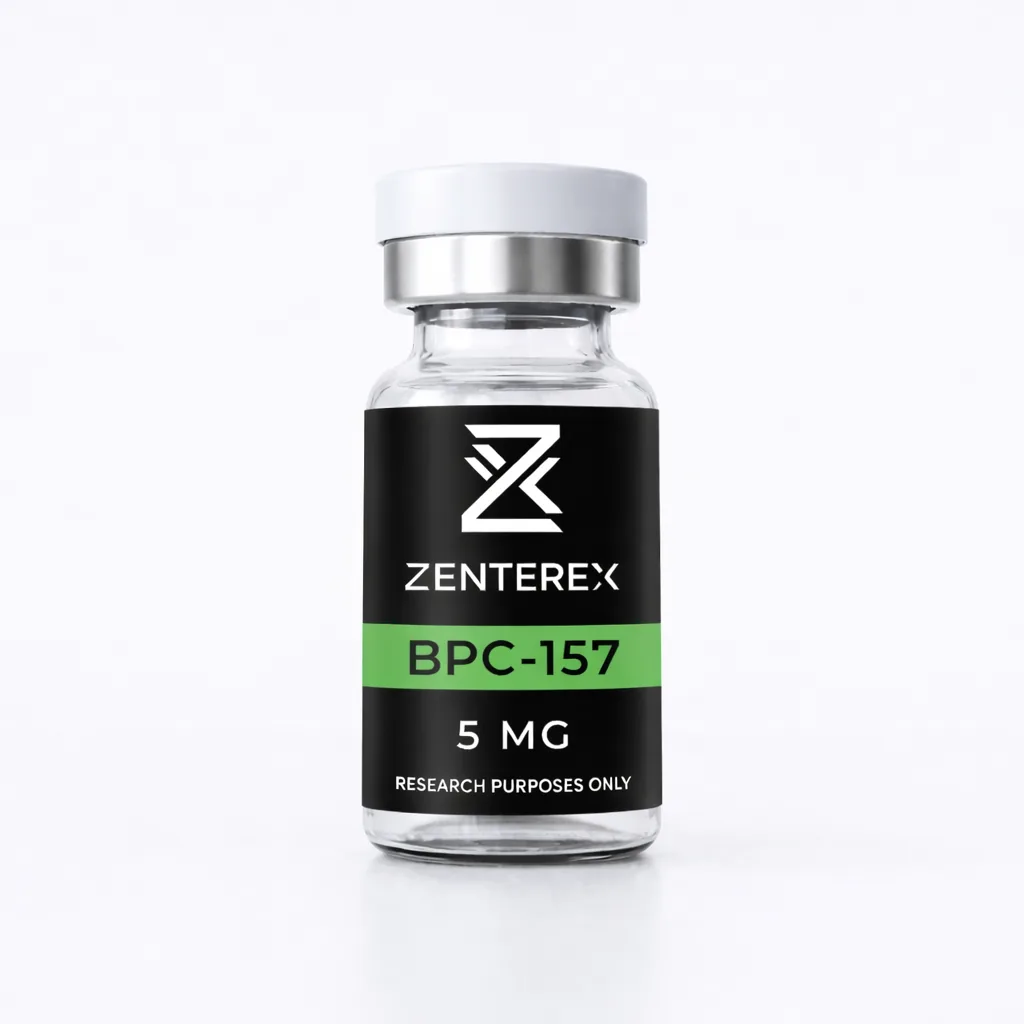
BPC-157
5mgC₆₂H₉₈N₁₆O₂₂
Key Research Findings
- Sikiric et al., multiple rodent assay reports — VEGF / NO pathway modulation.
- Published animal-model data on gastric mucosa cell-line assays.
- Stability profile documented in lyophilised storage at −20 °C.
Overview
BPC-157 is a synthetic pentadecapeptide with the sequence Gly-Glu-Pro-Pro-Pro-Gly-Lys-Pro-Ala-Asp-Asp-Ala-Gly-Leu-Val. It corresponds to a partial sequence of a larger protein described in human gastric juice, from which it takes the name Body Protection Compound. Unusually for a peptide of this length it is reported to be stable in gastric acid, which is why much of the published work administers it orally in animal models rather than by injection. We supply it as a lyophilised powder at 5mg per vial with an independent batch certificate of analysis. It is one of the more heavily published research peptides in the catalogue, with most of the literature coming from a single research group in Zagreb over roughly three decades.
Mechanism of Action
The mechanism most consistently reported in vitro is an interaction with the vascular endothelial growth factor pathway. Hsieh and colleagues reported that the pro-angiogenic activity of BPC-157 in endothelial cell assays is associated with VEGFR2 activation and upregulation, and with downstream signalling through the Akt and eNOS axis [1]. Separate work has examined its effect on nitric oxide synthesis, where it appears to modulate rather than simply stimulate the pathway, and on the ERK1/2 phosphorylation cascade in cell-line assays. Brcic and colleagues reported modulation of angiogenesis in rodent muscle and tendon models [2], and a 2014 review by Seiwerth and colleagues collects the vascular findings [3]. The consistent theme across this body of work is vascular rather than hormonal activity. Not intended for human or veterinary use.
Research Effects
VEGF Pathway Activity
Extensive ResearchReported in published in-vitro assays as a modulator of vascular endothelial growth factor receptor expression.
Nitric Oxide Modulation
Moderate ResearchAnimal-model studies report modulation of nitric oxide synthesis pathways under controlled in-vitro conditions.
ERK1/2 Signalling
Moderate ResearchIn-vitro cell-line assays report effects on the ERK1/2 phosphorylation cascade.
References
- [1]Hsieh MJ, Liu HT, Wang CN, et al.. Therapeutic potential of pro-angiogenic BPC157 is associated with VEGFR2 activation and up-regulation. J Mol Med (Berl). 2017. PMID 27847966 · doi:10.1007/s00109-016-1488-y
- [2]Brcic L, Brcic I, Staresinic M, et al.. Modulatory effect of gastric pentadecapeptide BPC 157 on angiogenesis in muscle and tendon healing. J Physiol Pharmacol. 2009. PMID 20388964
- [3]Seiwerth S, Brcic L, Vuletic LB, et al.. BPC 157 and blood vessels. Curr Pharm Des. 2014. PMID 23782145 · doi:10.2174/13816128113199990421
Cited for the molecular pathways described above. Listing a study is not a claim about any outcome in humans.
Laboratory Research Only — All information on this page is provided for scientific research purposes only. This is a certified reference material sample sold and distributed for laboratory research only.
Quick Facts
Research Status Key
Related Peptides
Cytoprotective Peptides
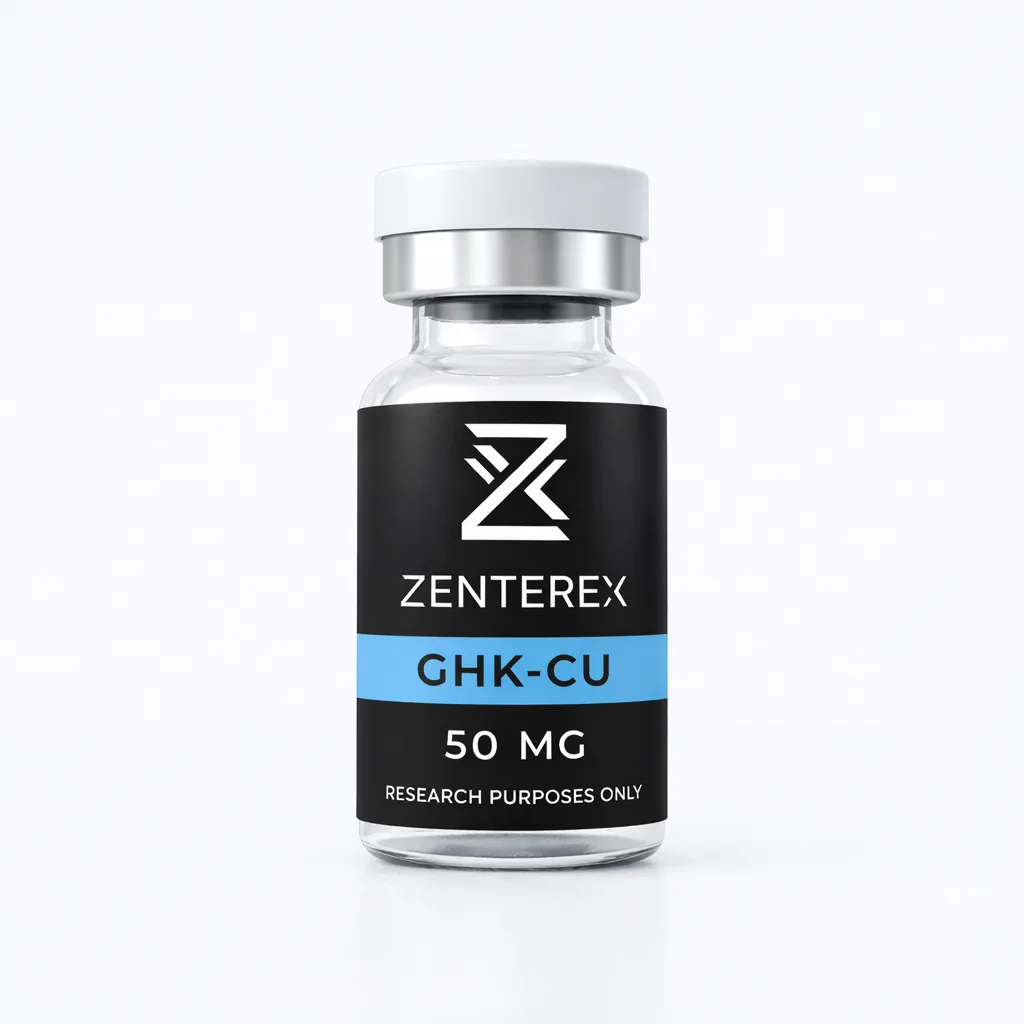
GHK-Cu
GHK-Cu is the copper(II) complex of the tripeptide glycyl-L-histidyl-L-lysine, a sequence first isolated from human plasma in the 1970s and later identified in saliva and urine. The free tripeptide binds copper with high affinity, and it is the copper-bound form that most of the published literature studies. Its plasma concentration in humans declines with age, which is part of why it has been examined in tissue remodelling and gene expression work. We supply it as a lyophilised powder at 50mg per vial, with a batch certificate of analysis reporting HPLC purity and mass spectrometry identity. The copper content is what gives the powder its characteristic blue colour, so a vial that looks white or off-white is not GHK-Cu.
Learn More →
Cytoprotective Peptides
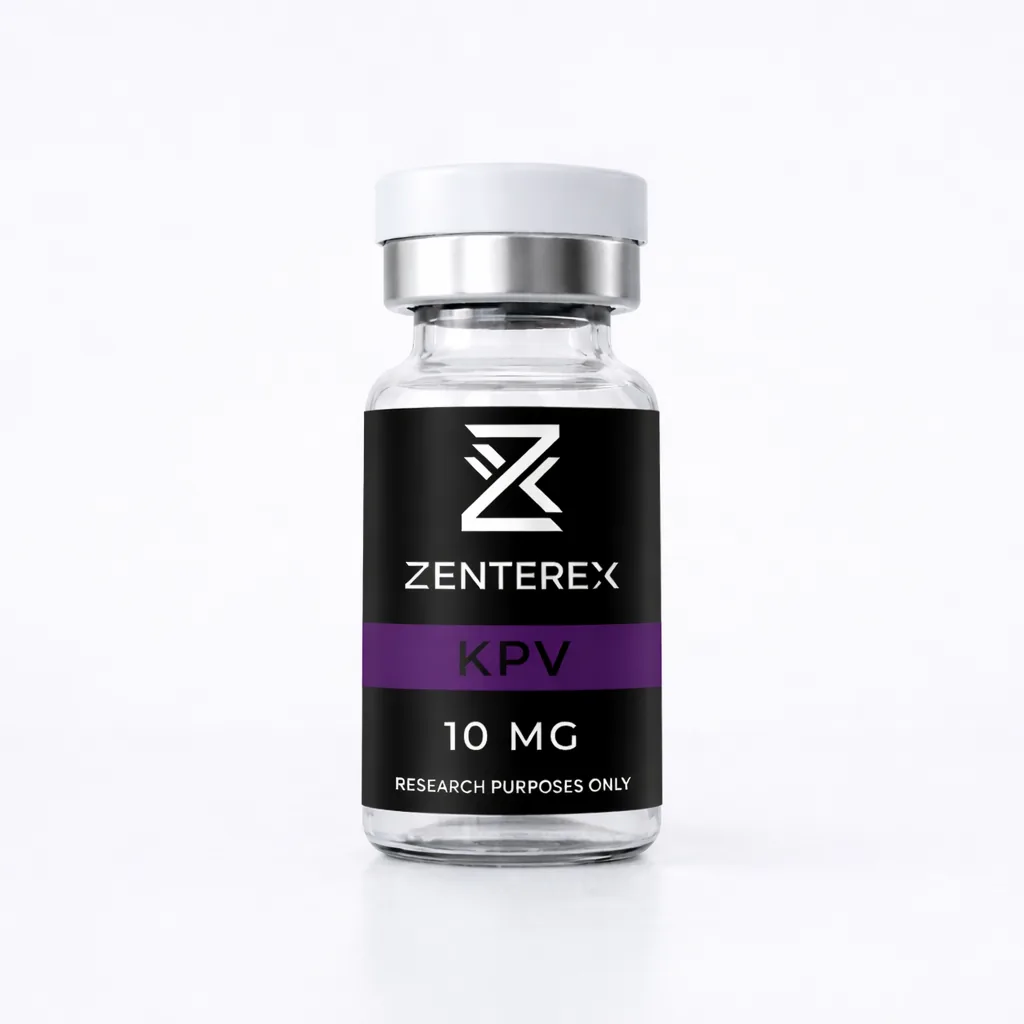
KPV
KPV is a synthetic tripeptide fragment of the α-MSH C-terminal sequence. Supplied as a lyophilised powder for in-vitro research use only.
Learn More →