

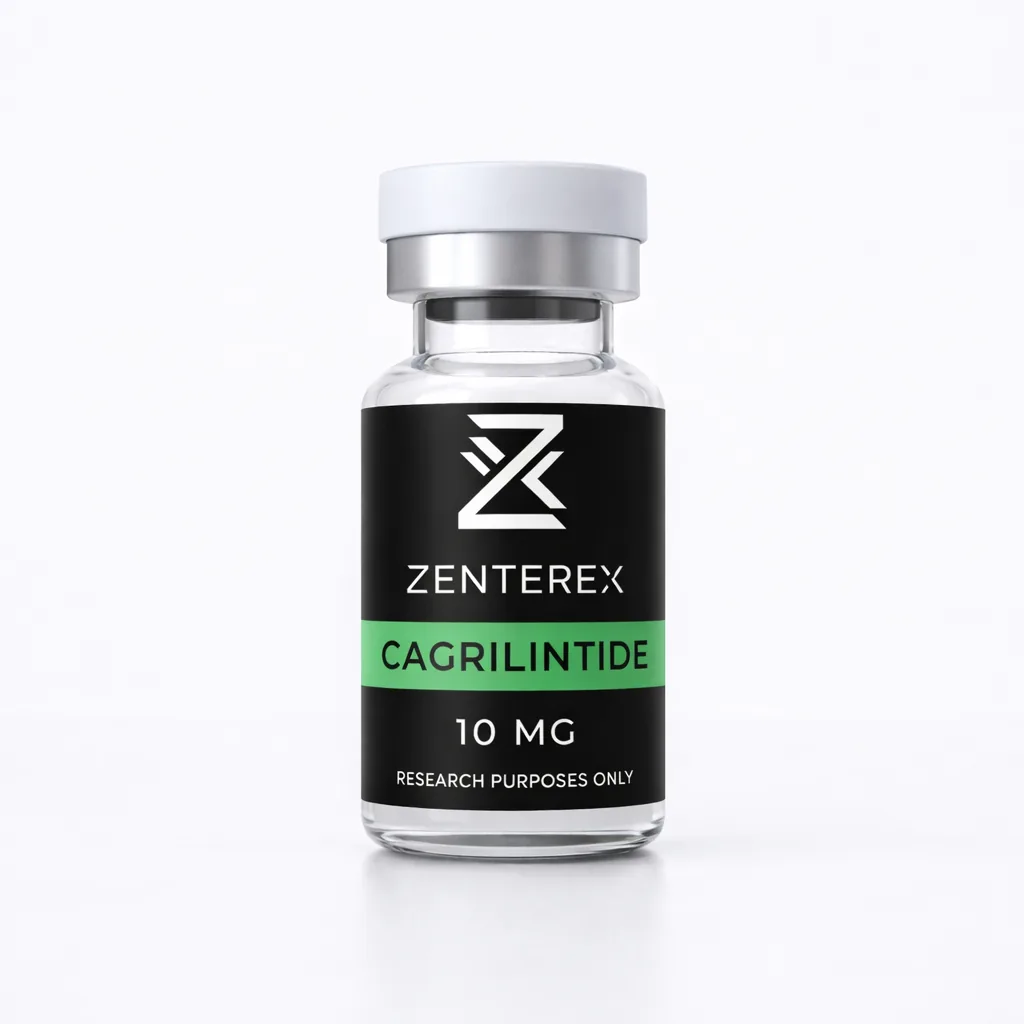
Cellular & Metabolic Compounds
Cagrilintide
10mgC₁₆₂H₂₆₂N₄₆O₅₂
Key Research Findings
- Characterisation of the amylin-analogue sequence and fatty-acid conjugation.
- Published receptor-binding assay data at amylin receptors.
- In-vitro glucagon-secretion cell-model studies.
Overview
Cagrilintide is a long-acting synthetic amylin analogue. Supplied as a lyophilised powder for in-vitro research use only.
Mechanism of Action
Reported in published in-vitro studies as a ligand of amylin receptors in hypothalamic and brainstem cell-line assays. Not intended for human or veterinary use.
Research Effects
Amylin Receptor Binding
Extensive ResearchReported in receptor-binding assays as a high-affinity ligand of amylin receptor subtypes.
Extended Pharmacokinetic Profile
Extensive ResearchCharacterised in animal-model studies with an extended plasma half-life due to fatty-acid conjugation.
Glucagon Cell-Model Studies
Moderate ResearchPublished in-vitro cell models report effects on glucagon-secretion pathway activity.
Laboratory Research Only — All information on this page is provided for scientific research purposes only. This is a certified reference material sample sold and distributed for laboratory research only.
Quick Facts
Research Status Key
Related Peptides
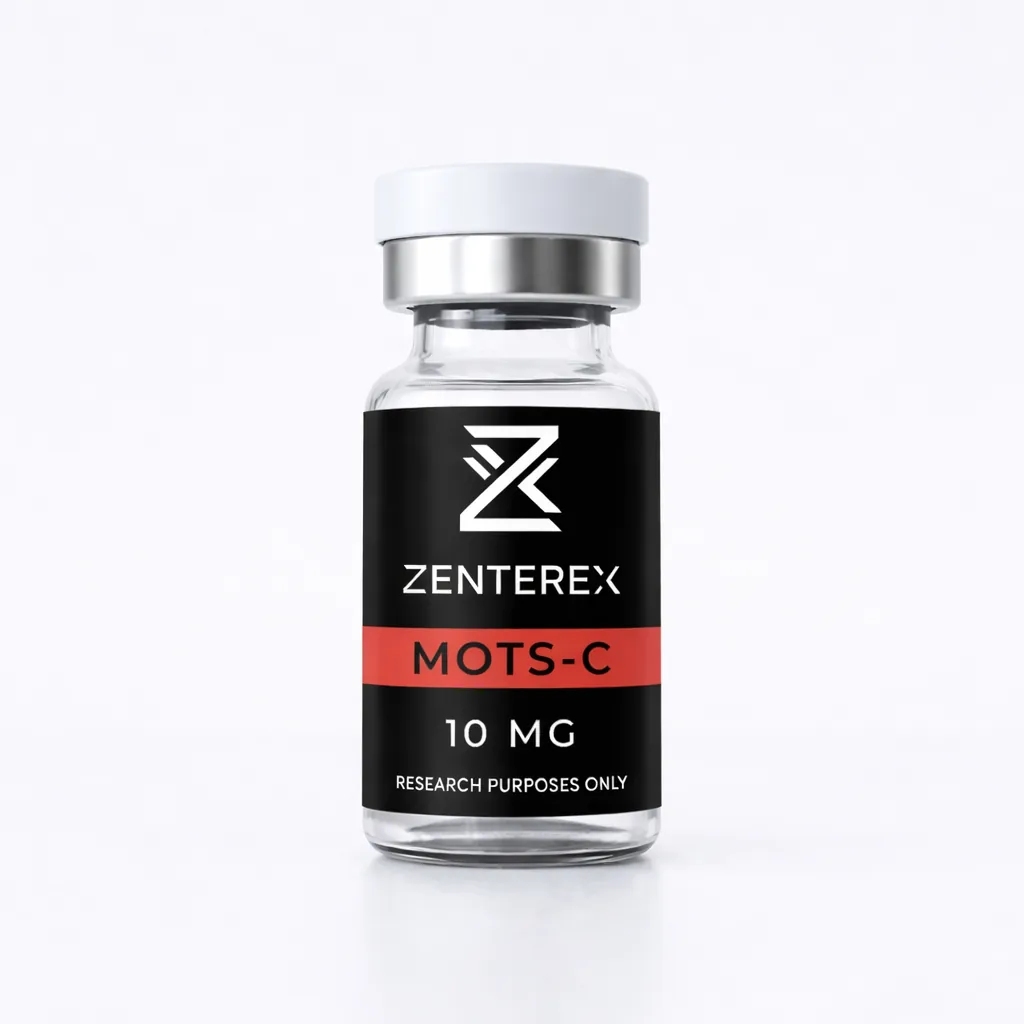
Cellular & Metabolic Compounds
MOTS-C
MOTS-c is a 16 amino acid peptide encoded not in nuclear DNA but within the mitochondrial 12S ribosomal RNA gene, making it one of a small group of mitochondrial-derived peptides identified since 2015. Its discovery is relatively recent, so the literature is smaller than for the older research peptides in this catalogue, but it is growing quickly and comes from mainstream metabolic research groups rather than from a single laboratory. We supply it as a lyophilised powder at 10mg per vial with an independent batch certificate of analysis reporting HPLC purity and mass spectrometry identity.
Learn More →
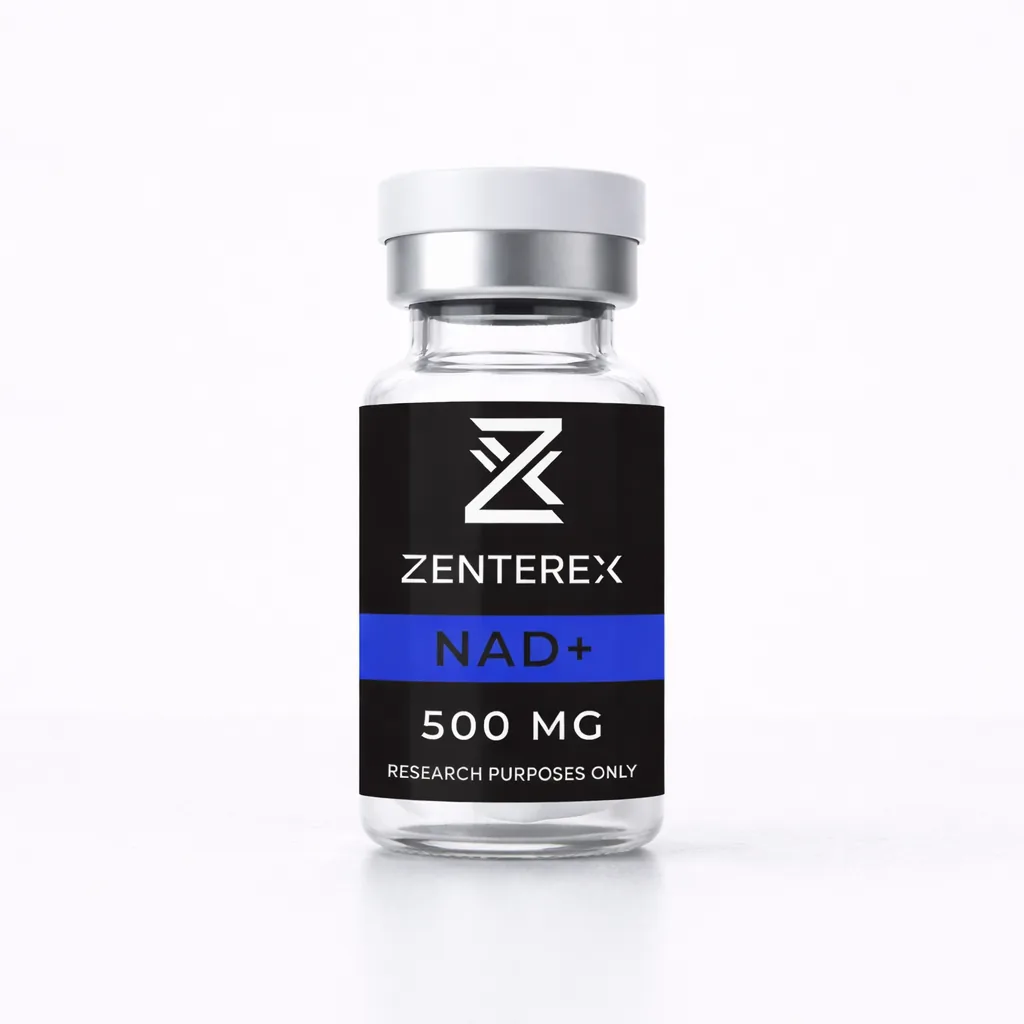
Cellular & Metabolic Compounds
NAD+
NAD+ is nicotinamide adenine dinucleotide, a redox coenzyme present in every living cell and one of the most studied molecules in biochemistry. It is not a peptide, and we group it under cellular and metabolic compounds for that reason. It cycles between an oxidised form, NAD+, and a reduced form, NADH, carrying electrons between the reactions of glycolysis, the citric acid cycle and oxidative phosphorylation. Beyond that classical role it is consumed as a substrate by three families of enzymes, which is what has driven the recent research interest. We supply it as a powder at 500mg per vial with an independent certificate of analysis.
Learn More →