
Verifying a Janoshik Report, Step by Step
Every Janoshik certificate carries a verification key that resolves on the laboratory's own site. How to use it, and why a published PDF alone is not enough.
A certificate of analysis is a PDF. And a PDF is trivially editable.
Anyone with ordinary software can change a number on one. The result looks exactly as convincing as the original.
That is the problem verification keys exist to solve. It is also why we would rather you checked our reports than trusted them.
Why publishing alone is not enough
Publishing batch reports beats quoting a purity figure in prose. A document that names its method and its lab can at least be judged.
But a published document still asks for trust. Does the copy you are reading match what the lab issued?
Two things could go wrong in principle. A report could be altered after issue, with a number nudged upward. Or one could be invented outright, naming a lab that never saw the material.
Publishing the document defeats neither. A check run by the lab itself defeats both.
The verification key
Every report from Janoshik Analytical carries a unique key, printed at the bottom of the certificate.
Enter that key on the lab's own page and it returns the record they hold.
That record sits on the lab's systems, not ours. So a supplier cannot touch it. Two things get confirmed at once.
- The report really originated from that lab.
- Its contents have not been changed since issue.
That is a meaningfully stronger claim than "we publish our reports".
The procedure
Five steps, and it takes a couple of minutes.
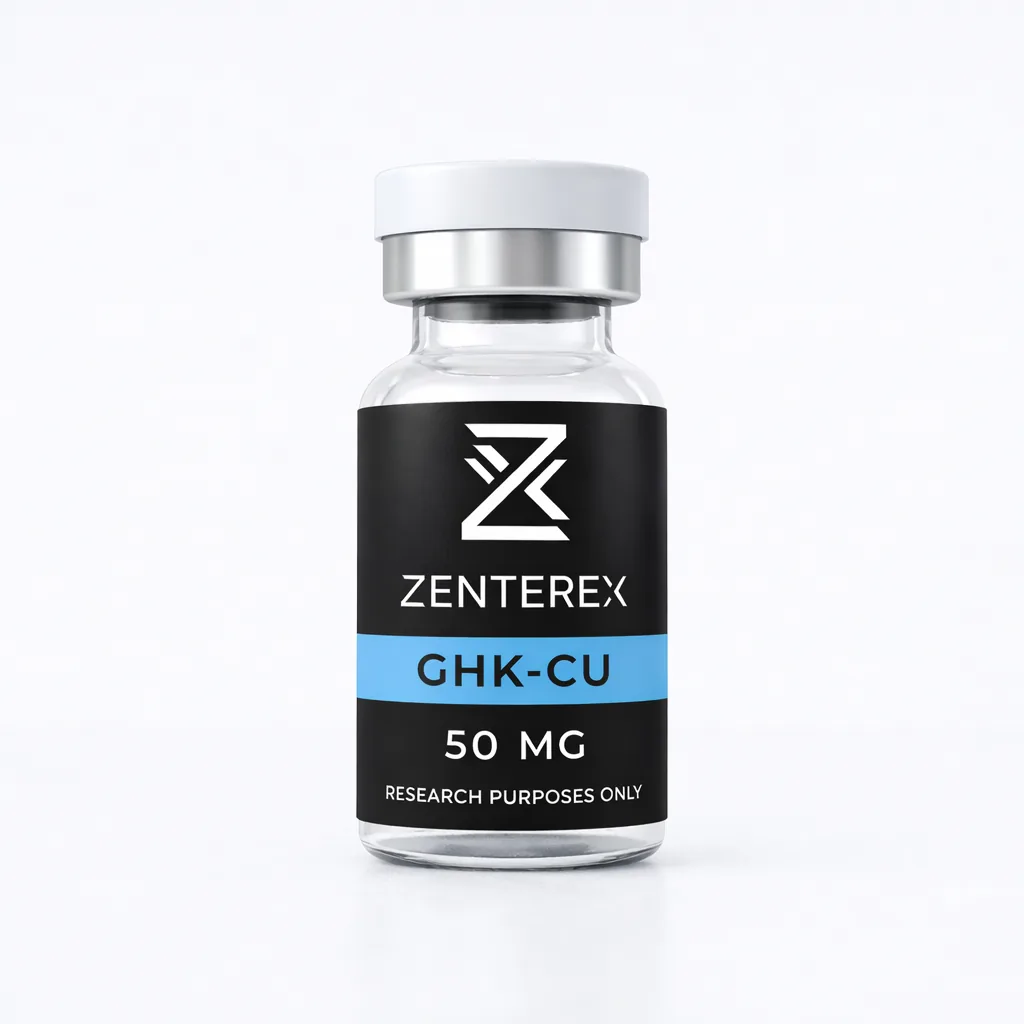
1. Find the batch number on your vial. It is printed on the label. That is what ties the vial in front of you to one specific production run.
2. Find the matching report. Our reports are filed by compound and batch. Check the batch number on the report against the one on the vial. A report for a different batch describes different material, however good its numbers look.
3. Locate the verification key. It is at the bottom of the certificate.
4. Enter it at the lab's verification page, at janoshik.com/verify. The key resolves against the lab's own records.
5. Compare what comes back with what you have. Compound name, batch number, purity figure and date should all agree with the published document.
If they agree, the report is authentic and unaltered. If they do not, that is worth raising with us immediately.
What verification establishes, and what it does not
Being precise about the boundary matters.
It establishes three things. The document is genuine and unaltered. The named lab did the analysis. The results are as they were issued.
**It does not establish** anything about the vial's condition after it left the lab. Storage and transit are separate matters, covered in our note on cold chain logistics.
It also covers one batch only. Verification is batch-specific by design.
And it says nothing whatsoever about use. It is a document-authenticity check on an analytical result.
Reading the report once verified
With authenticity established, the contents are worth reading properly rather than skimming for the purity figure.
A complete report answers two questions.
Identity comes from weighing the molecule and comparing that against what the sequence and formula predict. Composition comes from chromatography, reported as percentage area.
Purity alone does not establish identity. A vial could hold one very pure substance that is not what you ordered. A purity test would still call it clean. Our notes on certificates of analysis and reading a chromatogram cover both halves in detail.
Why we set it up this way
Our peptides are made by XL Peptides and sent, as sealed vials, to Janoshik Analytical. That is an independent lab with no money riding on the outcome.
The reports are published in full. The maker and batch number on each one match the vial label.
The whole arrangement is built so our claims can be checked without involving us.
A supplier's assurance about its own material is worth little. A record you can check, held by an independent third party, is worth a great deal more. That difference is exactly the point.
Where a compound has no published report, it is simply absent. We would rather show the gap than fill it with another batch's document.
Everything we sell is for lab research only. It is not a medicine, and it is not for people or animals to take.