

Cytoprotective Peptides
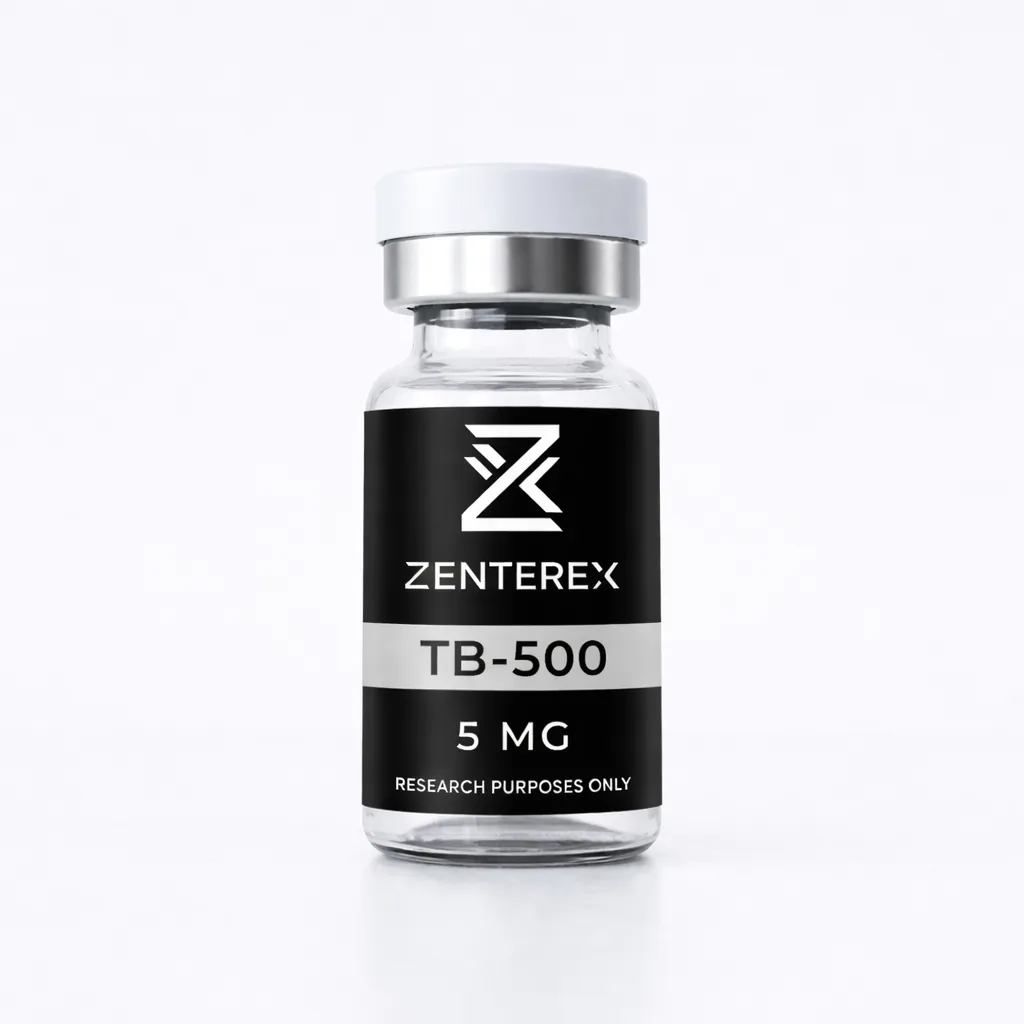
TB-500
5mgC₂₁₂H₃₅₀N₅₆O₇₈S
Key Research Findings
- Goldstein et al. — characterisation of the Tβ4 sequence and actin-binding domain.
- Published cell-culture assays on keratinocyte and endothelial cell migration.
- Storage stability characterised in lyophilised form at −20 °C.
Overview
TB-500 is a synthetic peptide supplied at the molecular weight of the full 43-residue thymosin beta 4 sequence, the actin-sequestering peptide originally isolated from calf thymus. Thymosin beta 4 is among the most abundant peptides in mammalian cells and the principal reservoir of monomeric G-actin in the cytoplasm. The name TB-500 is used commercially for both the full sequence and for shorter fragments carrying the LKKTETQ actin-binding motif, so the molecular weight on the quick facts panel is worth checking against whatever a protocol calls for. We supply it as a lyophilised powder at 5mg per vial with an independent certificate of analysis.
Mechanism of Action
The defining activity is actin sequestration. Cassimeris and colleagues showed that thymosin beta 4 holds the majority of unpolymerised G-actin in resting human polymorphonuclear leukocytes, acting as a buffer that keeps monomer available without allowing spontaneous filament assembly [1]. Because the actin cytoskeleton drives cell shape and locomotion, most in-vitro work with this peptide concerns migration assays. Ryu and colleagues reported cooperation between the peptide and hypoxia inducible factor 1 alpha in tumour cell migration models [2], and Moon and colleagues characterised it as hypoxia responsive in its own right [3]. The peptide is water soluble and does not require an organic co-solvent, which makes it straightforward to reconstitute compared with more hydrophobic sequences. Not intended for human or veterinary use.
Research Effects
Actin Polymerisation
Extensive ResearchReported in cell-culture assays as a G-actin sequestering peptide affecting F-actin assembly.
Cell-Migration Assays
Moderate ResearchPublished in-vitro studies report effects on keratinocyte and endothelial cell migration.
Cytokine-Expression Studies
Moderate ResearchAnimal-model studies report changes in TNF-α and related cytokine expression under controlled conditions.
References
- [1]Cassimeris L, Safer D, Nachmias VT, Zigmond SH. Thymosin beta 4 sequesters the majority of G-actin in resting human polymorphonuclear leukocytes. J Cell Biol. 1992. PMID 1447300 · doi:10.1083/jcb.119.5.1261
- [2]Ryu YK, Lee YS, Lee GH, et al.. Cooperation of actin-sequestering protein, thymosin beta-4 and hypoxia inducible factor-1alpha in tumor cell migration. Oncol Rep. 2010. PMID 20878135 · doi:10.3892/or_00000997
- [3]Moon EY, Song JH, Yang KH. Actin-sequestering protein, thymosin beta-4, is a novel hypoxia responsive regulator. Clin Exp Metastasis. 2010. PMID 20821256 · doi:10.1007/s10585-010-9350-z
Cited for the molecular pathways described above. Listing a study is not a claim about any outcome in humans.
Laboratory Research Only — All information on this page is provided for scientific research purposes only. This is a certified reference material sample sold and distributed for laboratory research only.
Quick Facts
Research Status Key
Featured in Bundles
TB-500 is included in the following Zenterex research peptide bundles.
Related Peptides
Cytoprotective Peptides
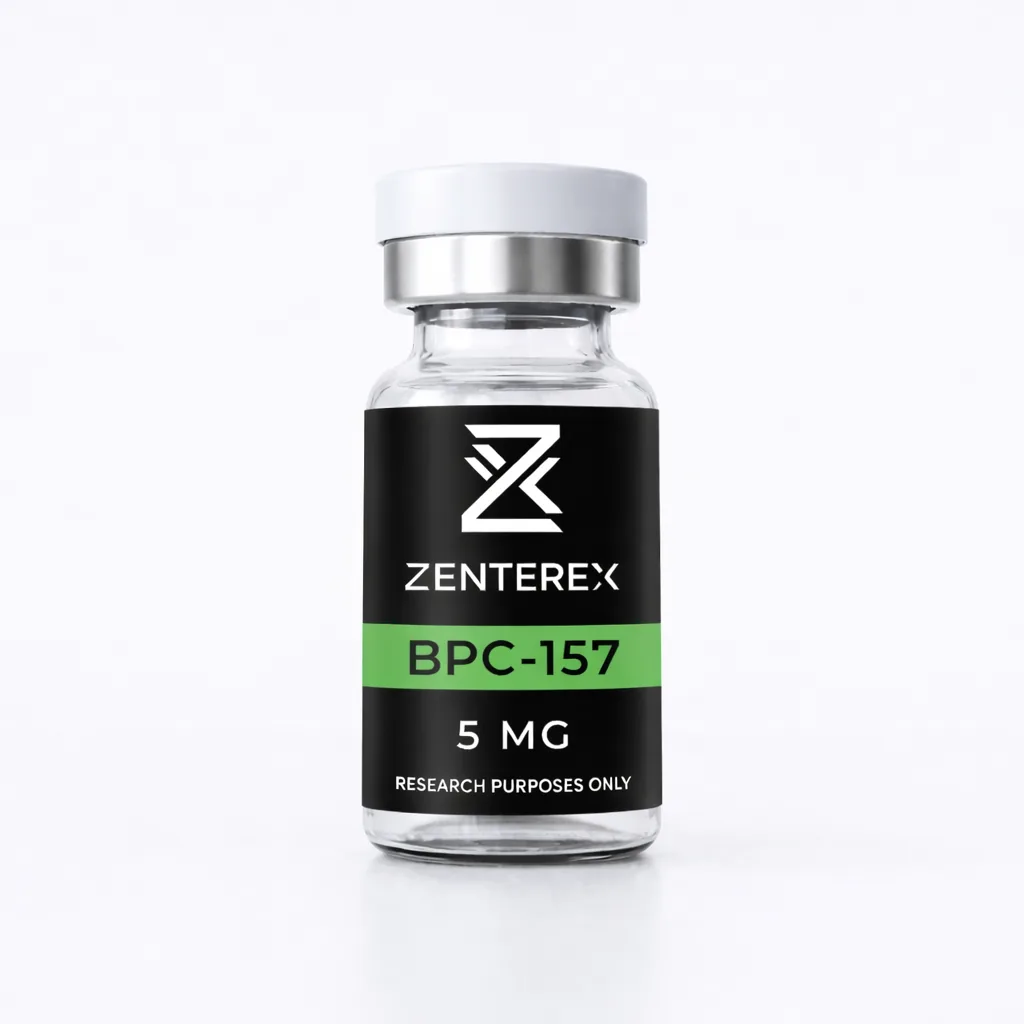
BPC-157
BPC-157 is a synthetic pentadecapeptide with the sequence Gly-Glu-Pro-Pro-Pro-Gly-Lys-Pro-Ala-Asp-Asp-Ala-Gly-Leu-Val. It corresponds to a partial sequence of a larger protein described in human gastric juice, from which it takes the name Body Protection Compound. Unusually for a peptide of this length it is reported to be stable in gastric acid, which is why much of the published work administers it orally in animal models rather than by injection. We supply it as a lyophilised powder at 5mg per vial with an independent batch certificate of analysis. It is one of the more heavily published research peptides in the catalogue, with most of the literature coming from a single research group in Zagreb over roughly three decades.
Learn More →
Cytoprotective Peptides
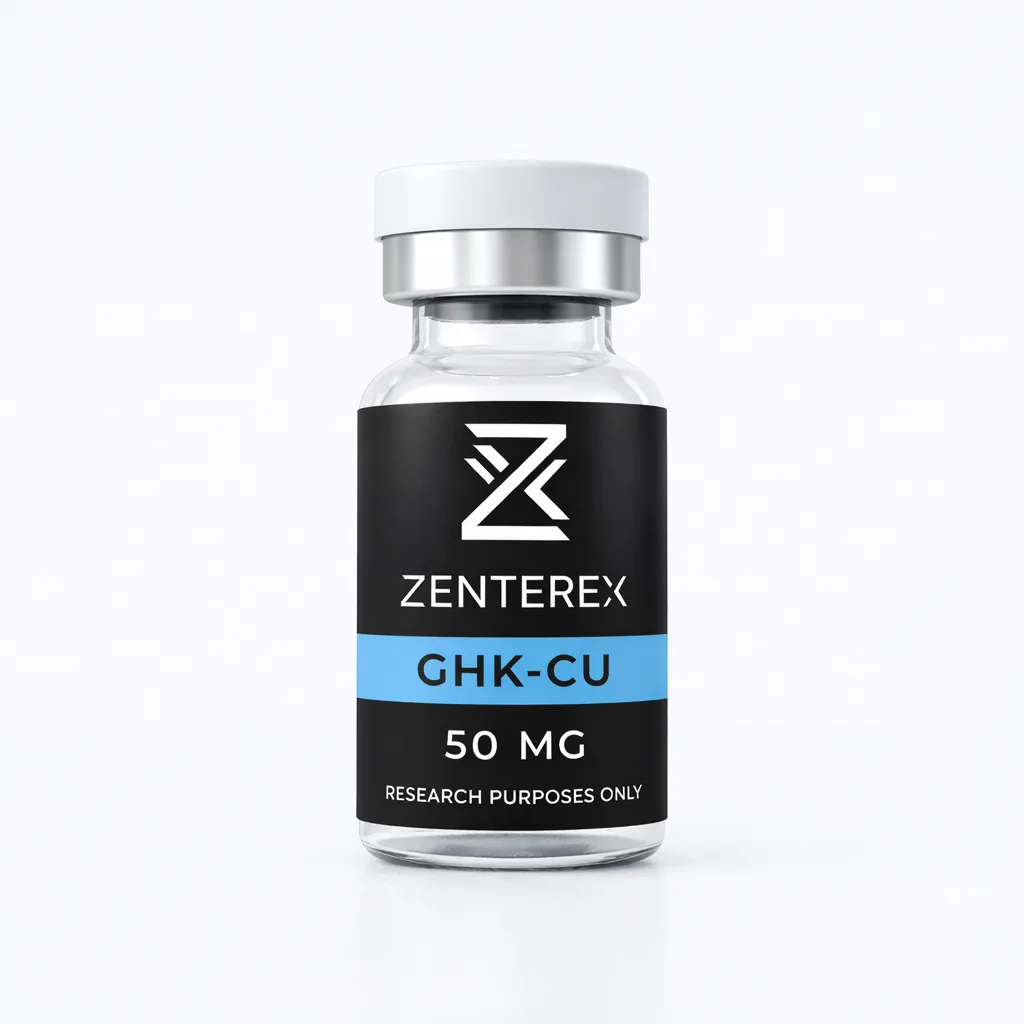
GHK-Cu
GHK-Cu is the copper(II) complex of the tripeptide glycyl-L-histidyl-L-lysine, a sequence first isolated from human plasma in the 1970s and later identified in saliva and urine. The free tripeptide binds copper with high affinity, and it is the copper-bound form that most of the published literature studies. Its plasma concentration in humans declines with age, which is part of why it has been examined in tissue remodelling and gene expression work. We supply it as a lyophilised powder at 50mg per vial, with a batch certificate of analysis reporting HPLC purity and mass spectrometry identity. The copper content is what gives the powder its characteristic blue colour, so a vial that looks white or off-white is not GHK-Cu.
Learn More →
Cytoprotective Peptides
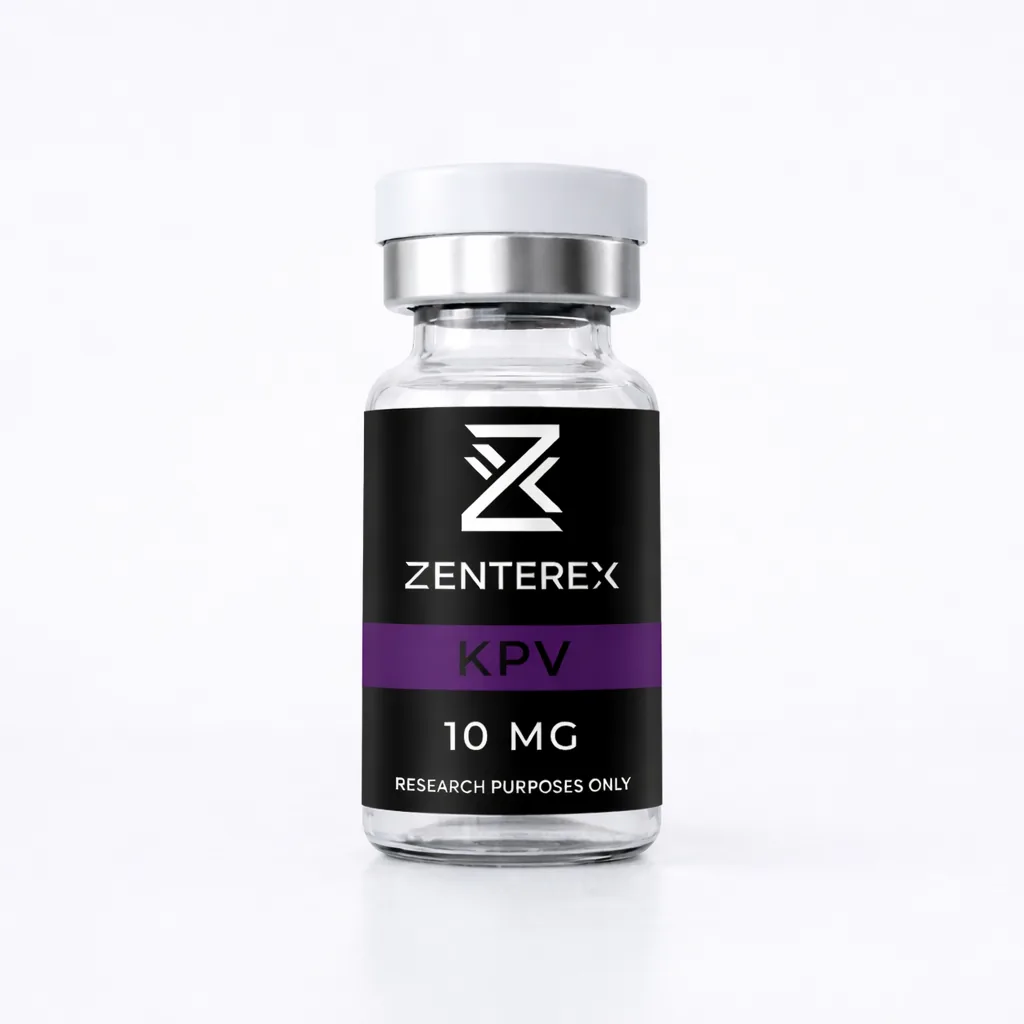
KPV
KPV is a synthetic tripeptide fragment of the α-MSH C-terminal sequence. Supplied as a lyophilised powder for in-vitro research use only.
Learn More →