

GH Secretagogue Peptides
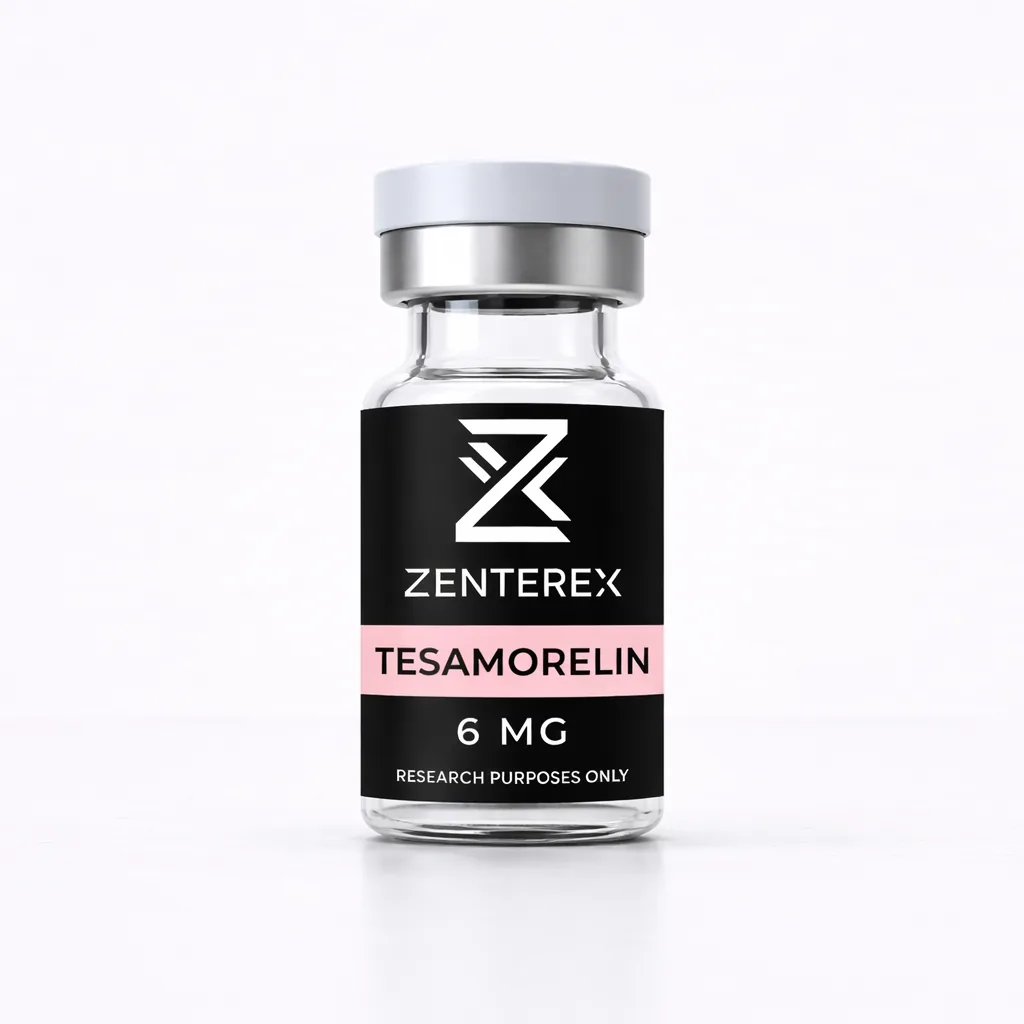
Tesamorelin
6mgC₂₂₁H₃₆₆N₇₂O₆₇S
Key Research Findings
- Characterisation of the trans-3-hexenoic acid N-terminal modification.
- Published pituitary cell-line studies on GH-secretion-pathway activity.
- Pharmacokinetic profile reported in animal-model studies.
Overview
Tesamorelin is a synthetic analogue of human growth hormone releasing hormone, based on the full 44 amino acid GHRH sequence rather than the shortened 1-29 fragment used by CJC-1295 and related compounds. It carries a trans-3-hexenoyl group attached to the N-terminal tyrosine, a modification whose purpose is to slow enzymatic breakdown. It is the third best selling compound in our range. We supply it as a lyophilised powder at 5mg per vial with an independent batch certificate of analysis reporting HPLC purity and mass spectrometry identity.
Mechanism of Action
Native GHRH is cleaved rapidly at the N-terminus by dipeptidyl peptidase 4, which is the main route by which the signal is terminated. The hexenoyl modification on tesamorelin sterically blocks that cleavage site, extending the window over which the analogue remains intact in plasma while leaving the receptor-binding region unchanged. Ferdinandi and colleagues published the non-clinical pharmacology and safety evaluation of the compound under its development code TH9507 [1], which remains the clearest published description of its pharmacokinetic profile. Later transcriptomic work by Fourman and colleagues examined hepatic gene expression signatures under the analogue [2]. Because it acts at the GHRH receptor rather than at the ghrelin receptor, it belongs to a different mechanistic half of the growth hormone secretagogue category to Ipamorelin and GHRP-6. Not intended for human or veterinary use.
Research Effects
GHRH-Receptor Binding
Extensive ResearchReported in receptor-binding assays as a high-affinity ligand of the pituitary GHRH receptor.
Somatotroph Cell Assays
Extensive ResearchPublished in-vitro studies in pituitary cell models report effects on GH-secretion-pathway activity.
Stability Profile
Moderate ResearchN-terminal modification characterised in published studies as conferring improved plasma stability.
References
- [1]Ferdinandi ES, Brazeau P, High K, et al.. Non-clinical pharmacology and safety evaluation of TH9507, a human growth hormone-releasing factor analogue. Basic Clin Pharmacol Toxicol. 2007. PMID 17214611 · doi:10.1111/j.1742-7843.2007.00008.x
- [2]Fourman LT, Billingsley JM, Agyapong G, et al.. Effects of tesamorelin on hepatic transcriptomic signatures in HIV-associated NAFLD. JCI Insight. 2020. PMID 32701508 · doi:10.1172/jci.insight.140134
Cited for the molecular pathways described above. Listing a study is not a claim about any outcome in humans.
Laboratory Research Only — All information on this page is provided for scientific research purposes only. This is a certified reference material sample sold and distributed for laboratory research only.
Quick Facts
Research Status Key
Related Peptides
GH Secretagogue Peptides
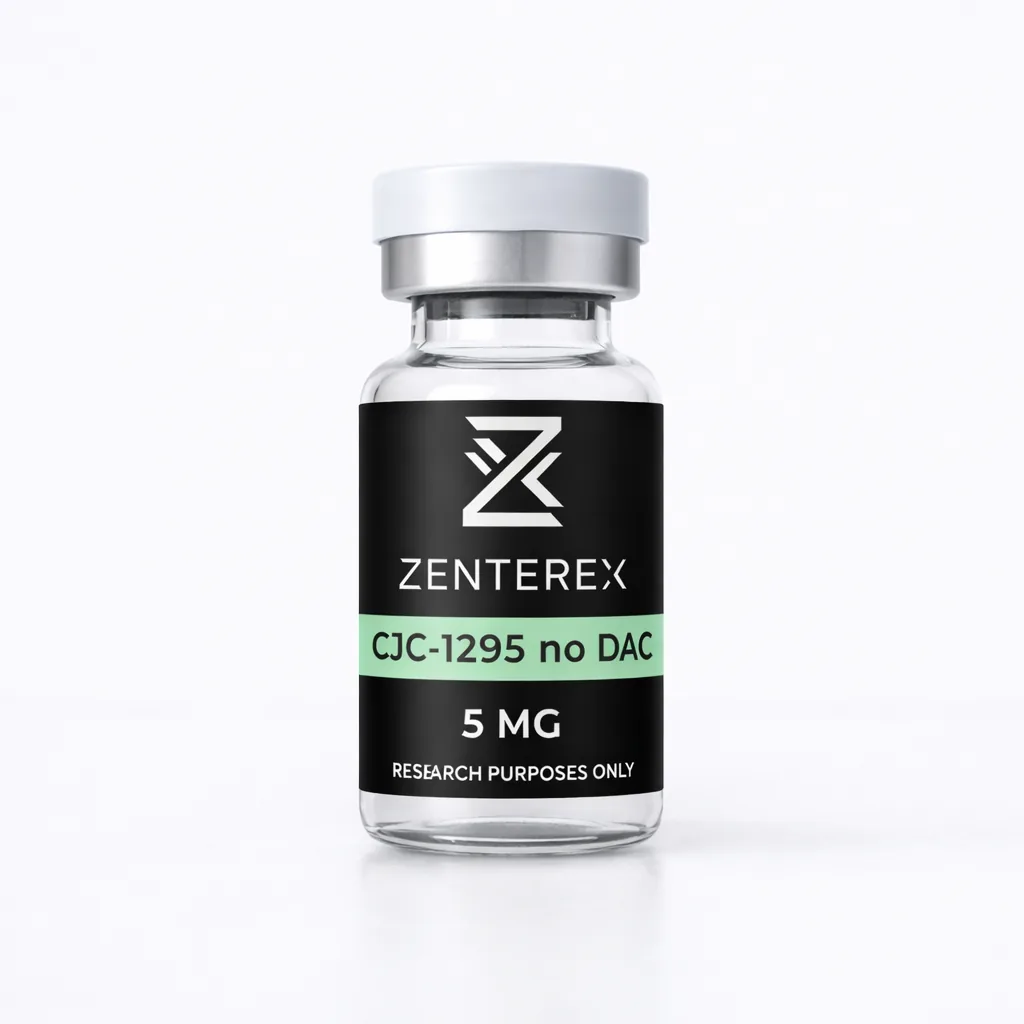
CJC-1295 (No DAC)
CJC-1295 (No DAC) is a synthetic 29-residue analogue of growth-hormone-releasing hormone (GHRH), without the Drug Affinity Complex linker. Supplied as a lyophilised powder for in-vitro research use only.
Learn More →
GH Secretagogue Peptides
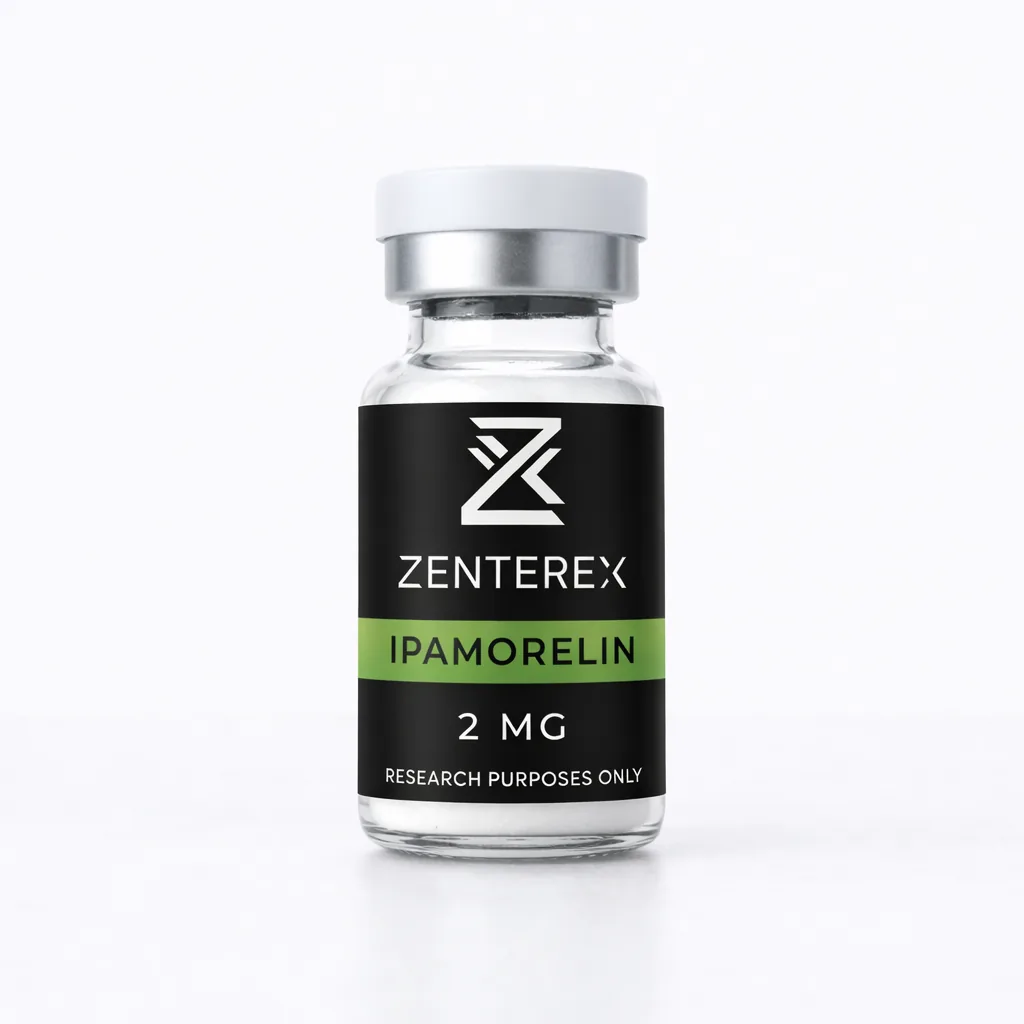
Ipamorelin
Ipamorelin is a synthetic pentapeptide ghrelin-receptor (GHSR-1a) agonist. Supplied as a lyophilised powder for in-vitro research use only.
Learn More →
GH Secretagogue Peptides
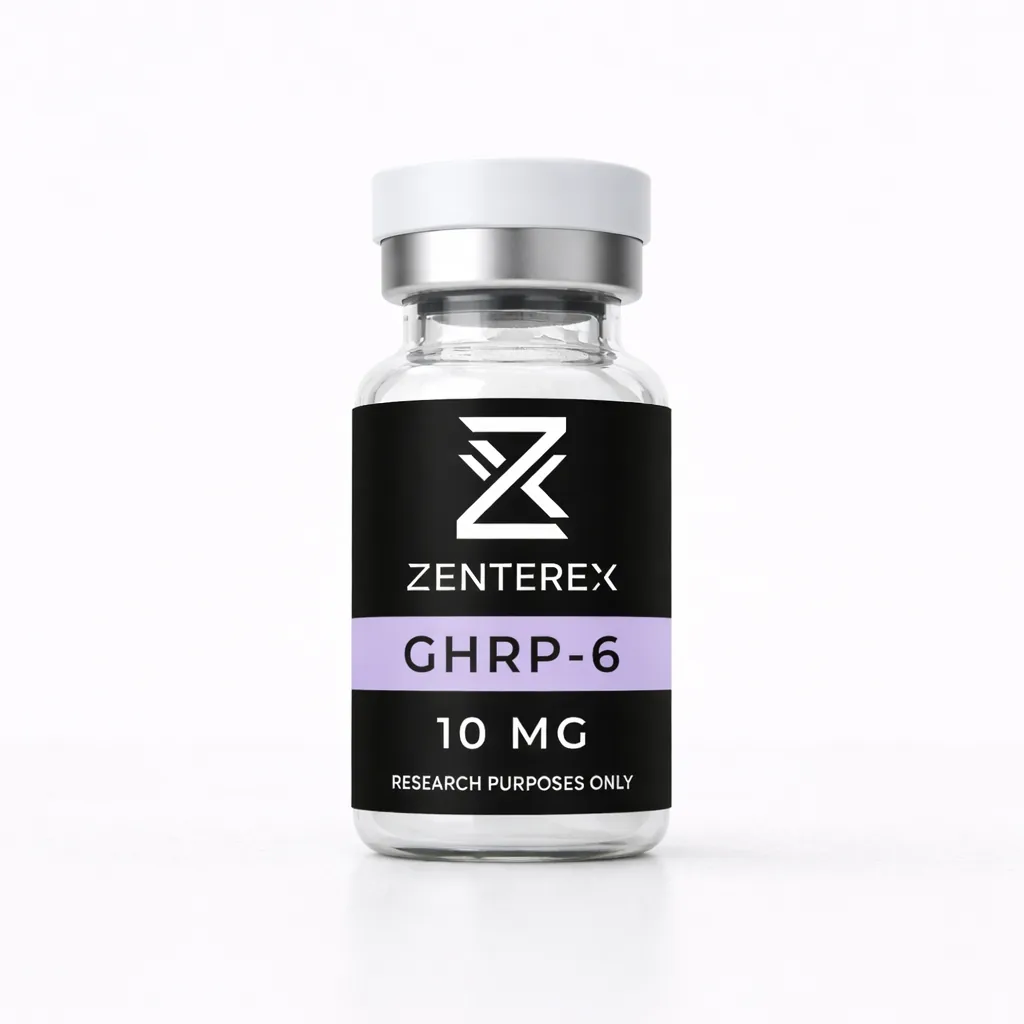
GHRP-6
GHRP-6 is a synthetic hexapeptide ghrelin-receptor (GHSR-1a) agonist of the first-generation GHRP class. Supplied as a lyophilised powder for in-vitro research use only.
Learn More →