

CNS Research Peptides
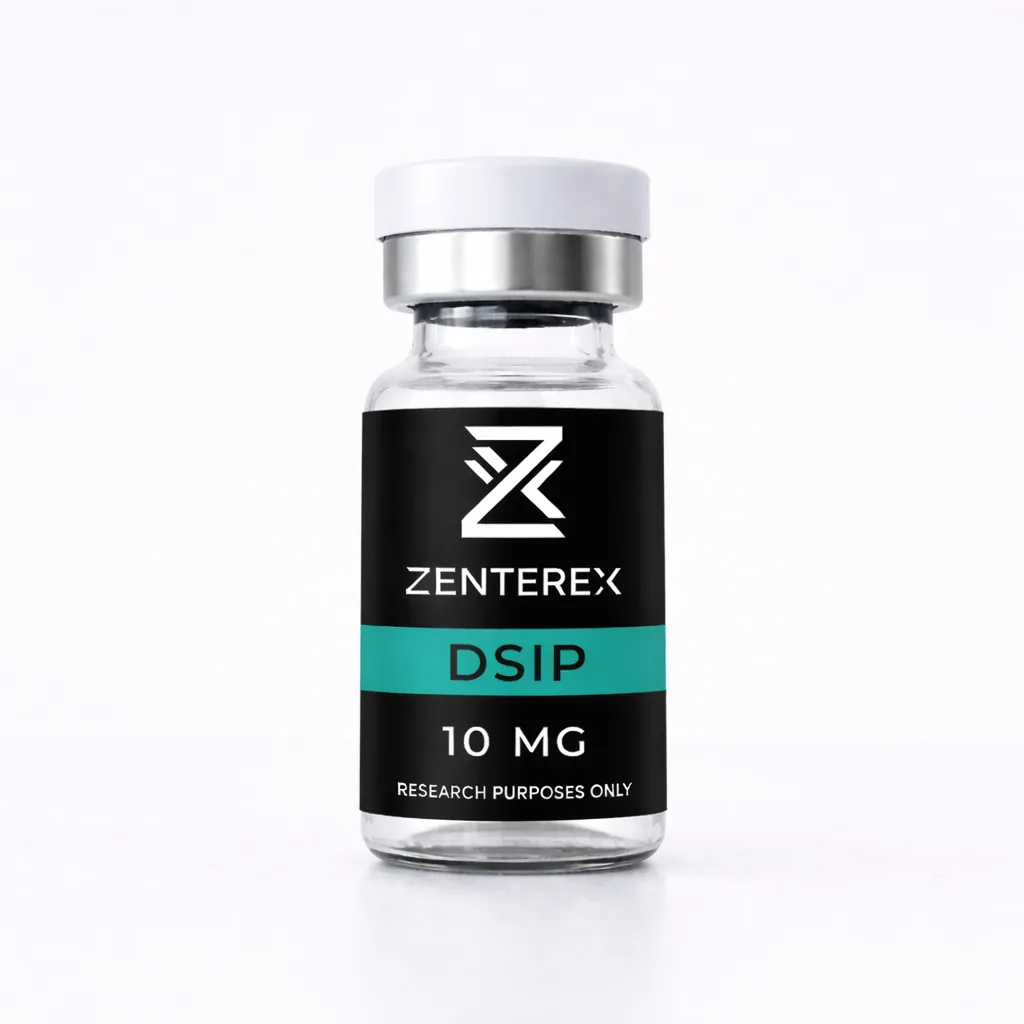
DSIP
10mgC₃₅H₄₈N₁₀O₁₅
Key Research Findings
- Schoenenberger & Monnier — original isolation of the nonapeptide from thalamic venous blood.
- Published animal-model EEG-pattern assay data.
- In-vitro CRH/ACTH secretion-cell studies.
Overview
DSIP is a synthetic nonapeptide originally isolated from thalamic venous blood of rabbits. Supplied as a lyophilised powder for in-vitro research use only.
Mechanism of Action
Reported in published in-vitro and animal-model studies to interact with serotonergic, GABAergic and opioidergic receptor pathways under controlled assay conditions. Not intended for human or veterinary use.
Research Effects
EEG-Pattern Assays
Extensive ResearchReported in animal-model EEG studies as a modulator of slow-wave-band activity.
HPA-Axis Assay Studies
Moderate ResearchPublished in-vitro studies report effects on corticotropin-releasing hormone and ACTH secretion in pituitary cell models.
Opioidergic Pathway Studies
Moderate ResearchAnimal-model assays report interactions with opioidergic receptor pathways under controlled conditions.
Laboratory Research Only — All information on this page is provided for scientific research purposes only. This is a certified reference material sample sold and distributed for laboratory research only.
Quick Facts
Research Status Key
Related Peptides
CNS Research Peptides
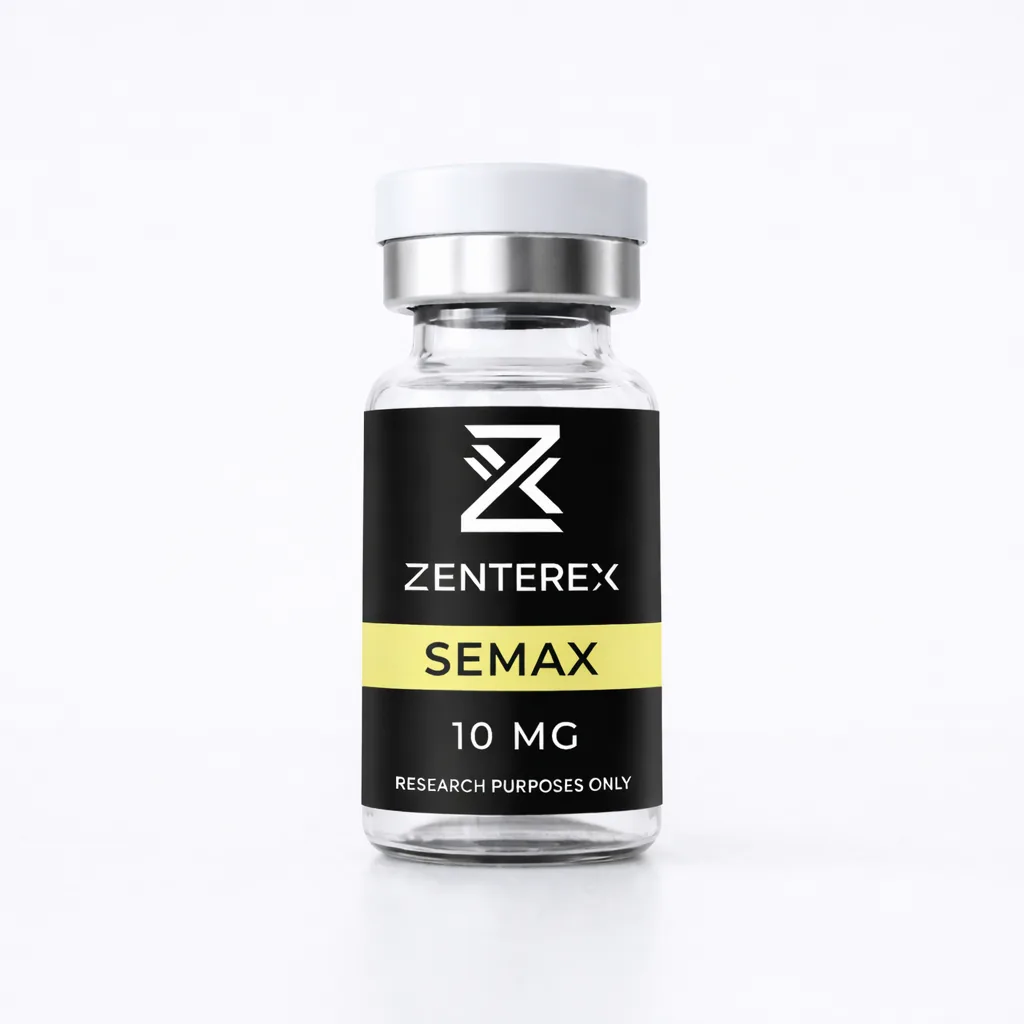
Semax
Semax is a synthetic heptapeptide analogue of the ACTH(4-10) fragment. Supplied as a lyophilised powder for in-vitro research use only.
Learn More →
CNS Research Peptides
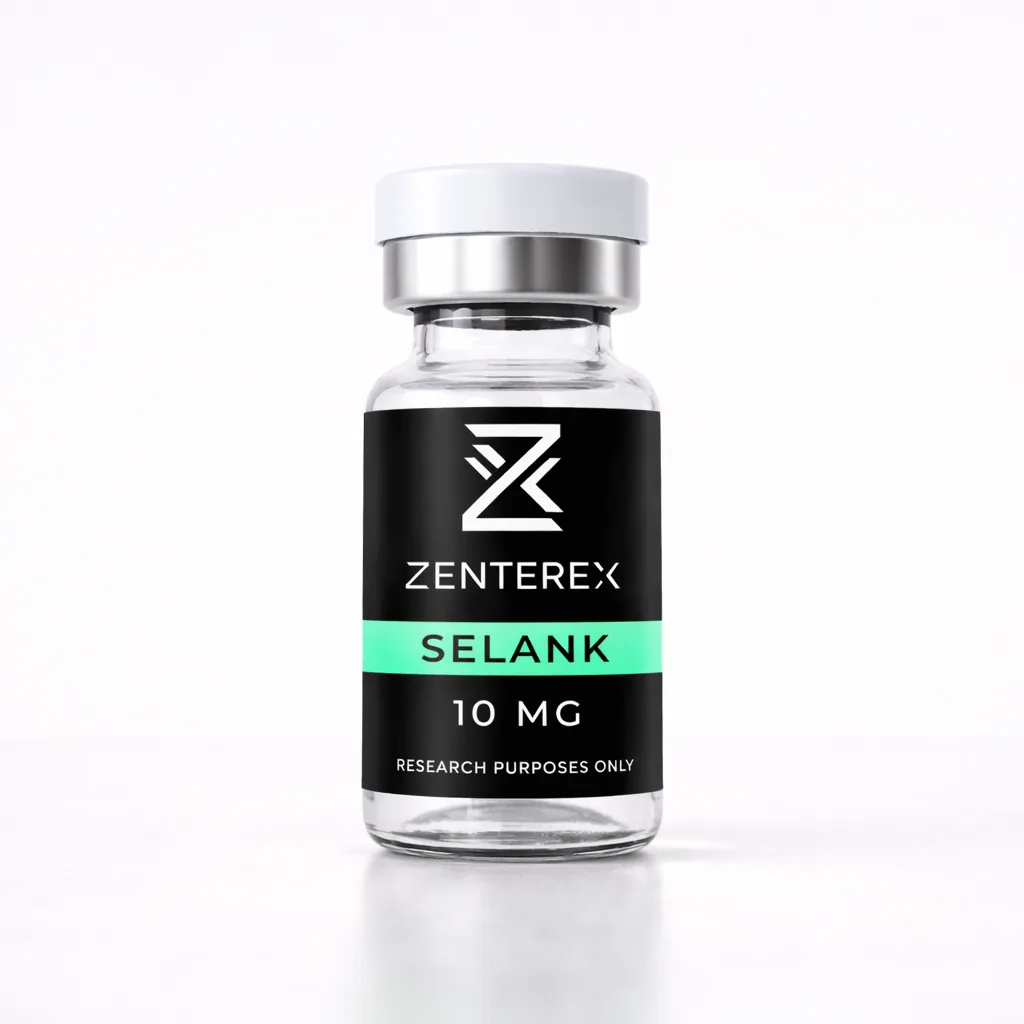
Selank
Selank is a synthetic heptapeptide analogue of the endogenous tetrapeptide tuftsin. Supplied as a lyophilised powder for in-vitro research use only.
Learn More →
Synthetic Peptide Analogues
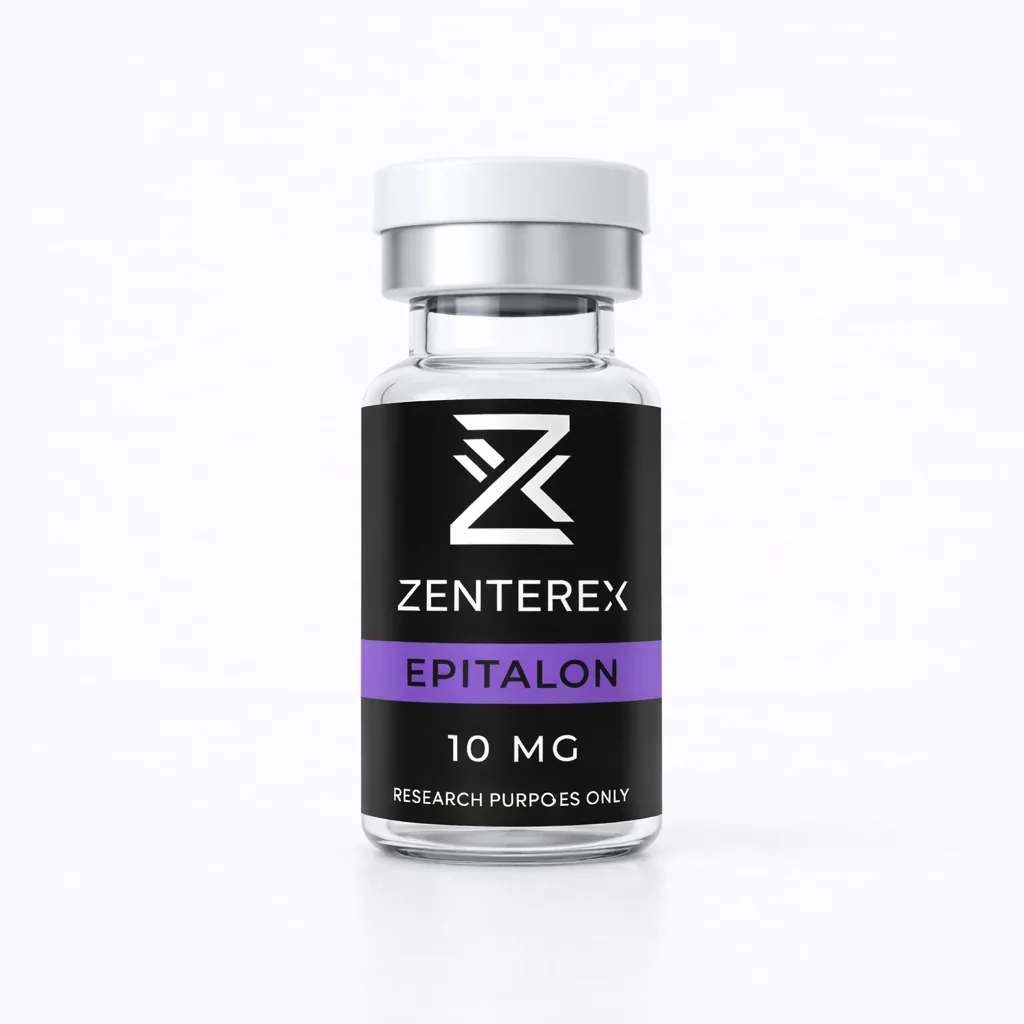
Epitalon
Epitalon (Epithalon) is a synthetic tetrapeptide derived from a sequence identified in pineal-gland extracts. Supplied as a lyophilised powder for in-vitro research use only.
Learn More →