

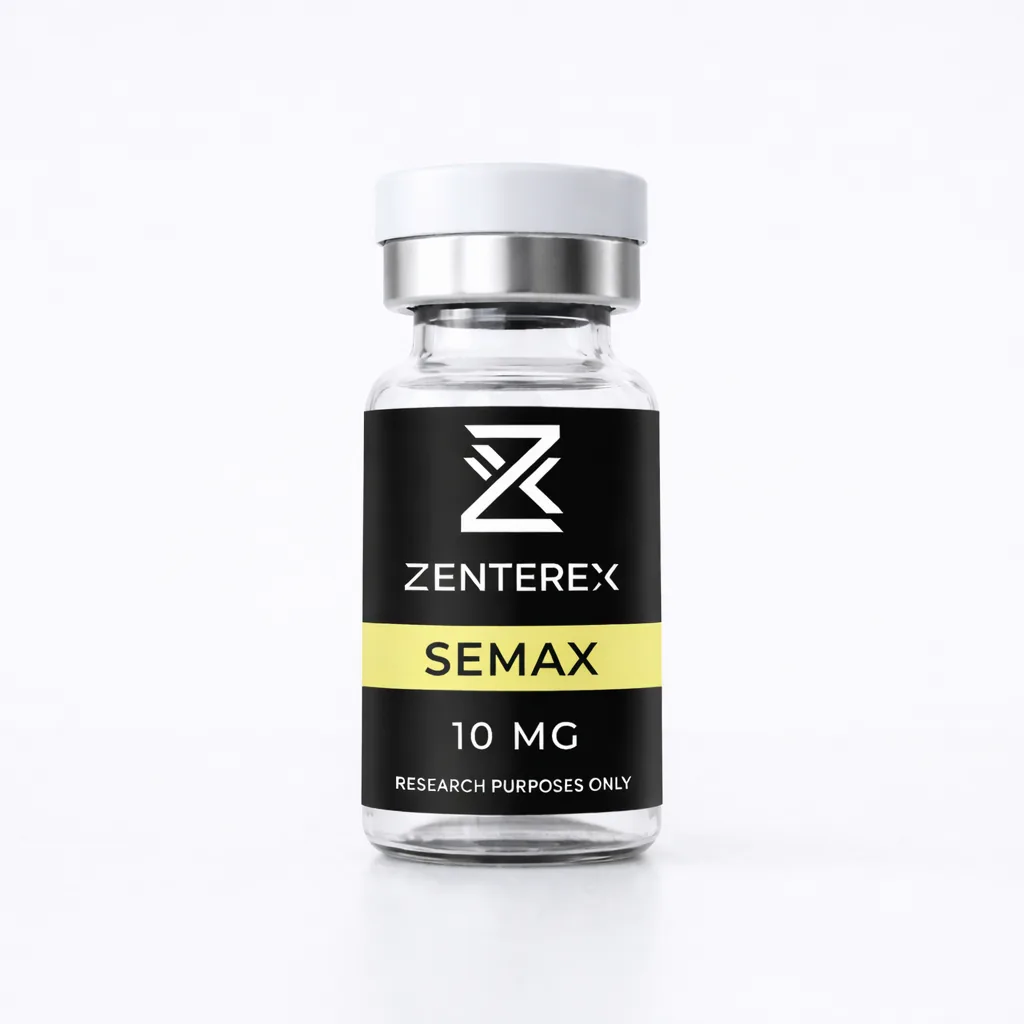
CNS Research Peptides
Semax
10mgC₃₇H₅₁N₉O₁₀S
Key Research Findings
- Ashmarin et al. — characterisation of the modified ACTH(4-10) sequence.
- Published rodent brain-tissue BDNF transcription assay data.
- In-vitro neuronal cell-culture studies on ROS generation.
Overview
Semax is a synthetic heptapeptide analogue of the ACTH(4-10) fragment. Supplied as a lyophilised powder for in-vitro research use only.
Mechanism of Action
Reported in published in-vitro and animal-model studies to modulate BDNF and NGF transcription in hippocampal cell-line assays. Not intended for human or veterinary use.
Research Effects
BDNF Transcription Studies
Extensive ResearchReported in rodent brain-tissue assays as an upregulator of BDNF transcription under controlled conditions.
NGF Pathway Activity
Moderate ResearchPublished cell-culture assays report modulation of nerve growth factor pathway activity.
Neuronal ROS Assays
Moderate ResearchIn-vitro neuronal cell studies report effects on reactive oxygen species generation in oxidative-stress assays.
References
- [1]Dolotov OV, Karpenko EA, Inozemtseva LS, et al.. Semax, an analog of ACTH(4-10) with cognitive effects, regulates BDNF and trkB expression in the rat hippocampus. Brain Res. 2006. PMID 16996037 · doi:10.1016/j.brainres.2006.07.108
- [2]Agapova TY, Agniullin YV, Shadrina MI, et al.. Neurotrophin gene expression in rat brain under the action of Semax, an analogue of ACTH 4-10. Neurosci Lett. 2007. PMID 17353092 · doi:10.1016/j.neulet.2007.02.042
Cited for the molecular pathways described above. Listing a study is not a claim about any outcome in humans.
Laboratory Research Only — All information on this page is provided for scientific research purposes only. This is a certified reference material sample sold and distributed for laboratory research only.
Quick Facts
Research Status Key
Featured in Bundles
Semax is included in the following Zenterex research peptide bundles.
Related Peptides
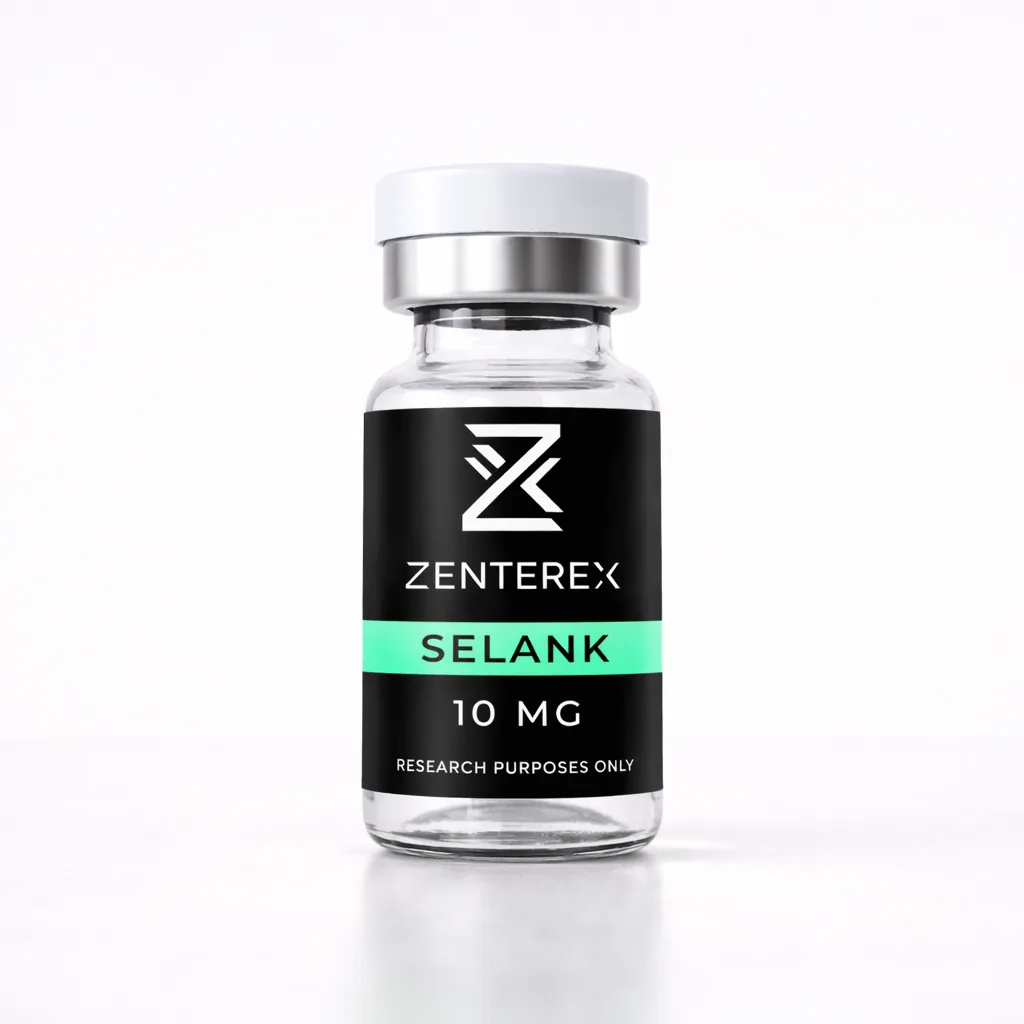
CNS Research Peptides
Selank
Selank is a synthetic heptapeptide analogue of the endogenous tetrapeptide tuftsin. Supplied as a lyophilised powder for in-vitro research use only.
Learn More →
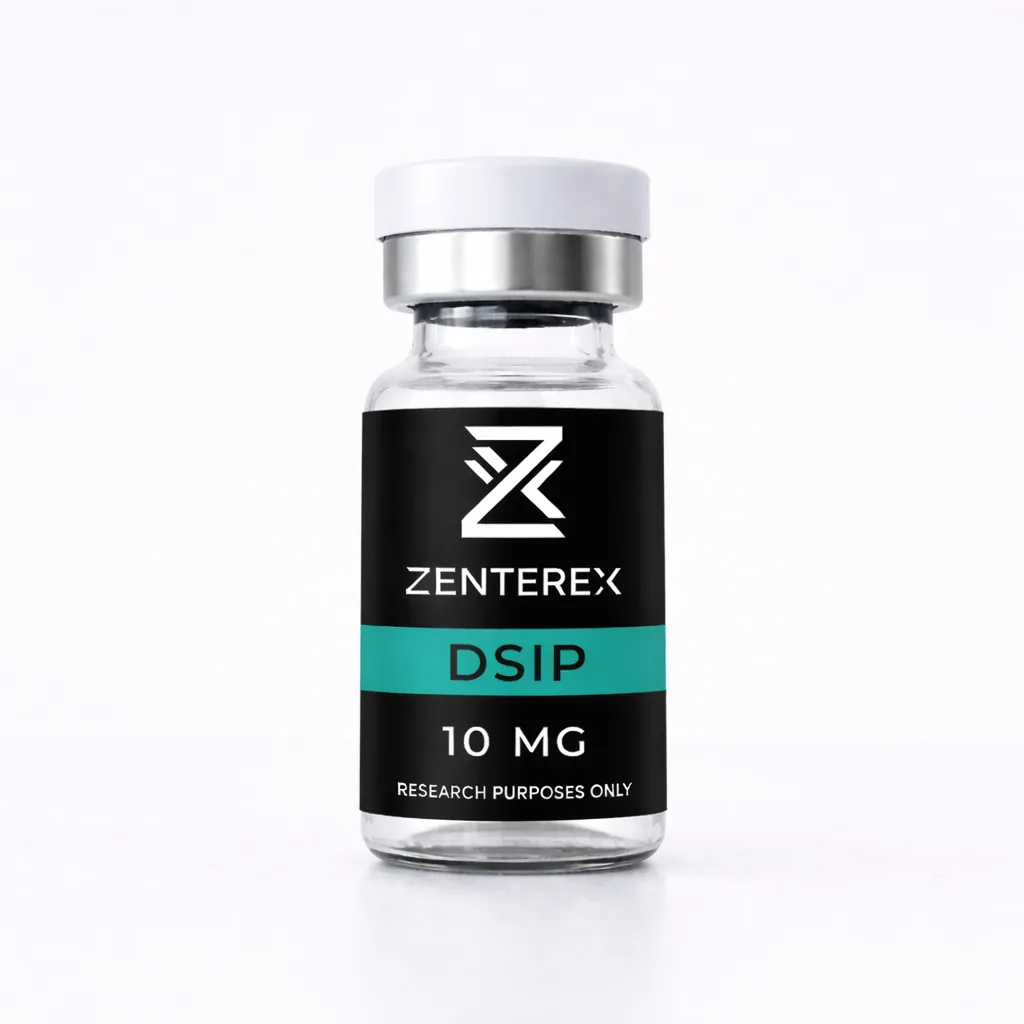
CNS Research Peptides
DSIP
DSIP is a synthetic nonapeptide originally isolated from thalamic venous blood of rabbits. Supplied as a lyophilised powder for in-vitro research use only.
Learn More →
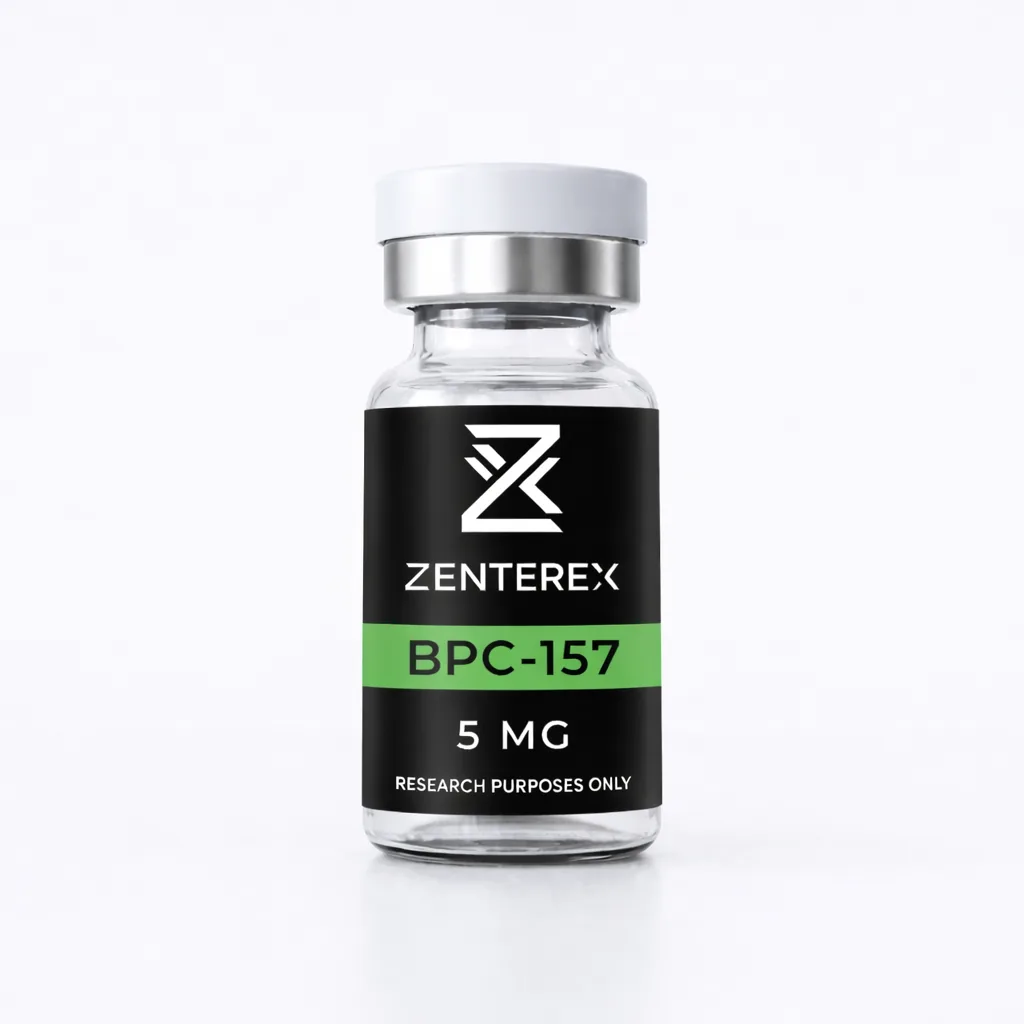
Cytoprotective Peptides
BPC-157
BPC-157 is a synthetic pentadecapeptide with the sequence Gly-Glu-Pro-Pro-Pro-Gly-Lys-Pro-Ala-Asp-Asp-Ala-Gly-Leu-Val. It corresponds to a partial sequence of a larger protein described in human gastric juice, from which it takes the name Body Protection Compound. Unusually for a peptide of this length it is reported to be stable in gastric acid, which is why much of the published work administers it orally in animal models rather than by injection. We supply it as a lyophilised powder at 5mg per vial with an independent batch certificate of analysis. It is one of the more heavily published research peptides in the catalogue, with most of the literature coming from a single research group in Zagreb over roughly three decades.
Learn More →