

Zenterex
Blog
Plain-English guides to research peptides from Zenterex, a UK supplier: what each compound is, where it came from, and how to check what is in the vial.
33 posts
October 2026
What "Research Use Only" Means in Practice
Research use only is a legal category, not a convenient disclaimer. What it decides about how a compound is supplied, tested and described.

Cytoprotective Peptides as a Compound Class
What the cytoprotective peptide group holds, why the five compounds in it are unrelated, and the lab tests the field shares.
What Is a Peptide Sequence and How Is It Written?
How sequences are written in one and three-letter codes, why the direction matters, and what the sequence on a product page is actually claiming.
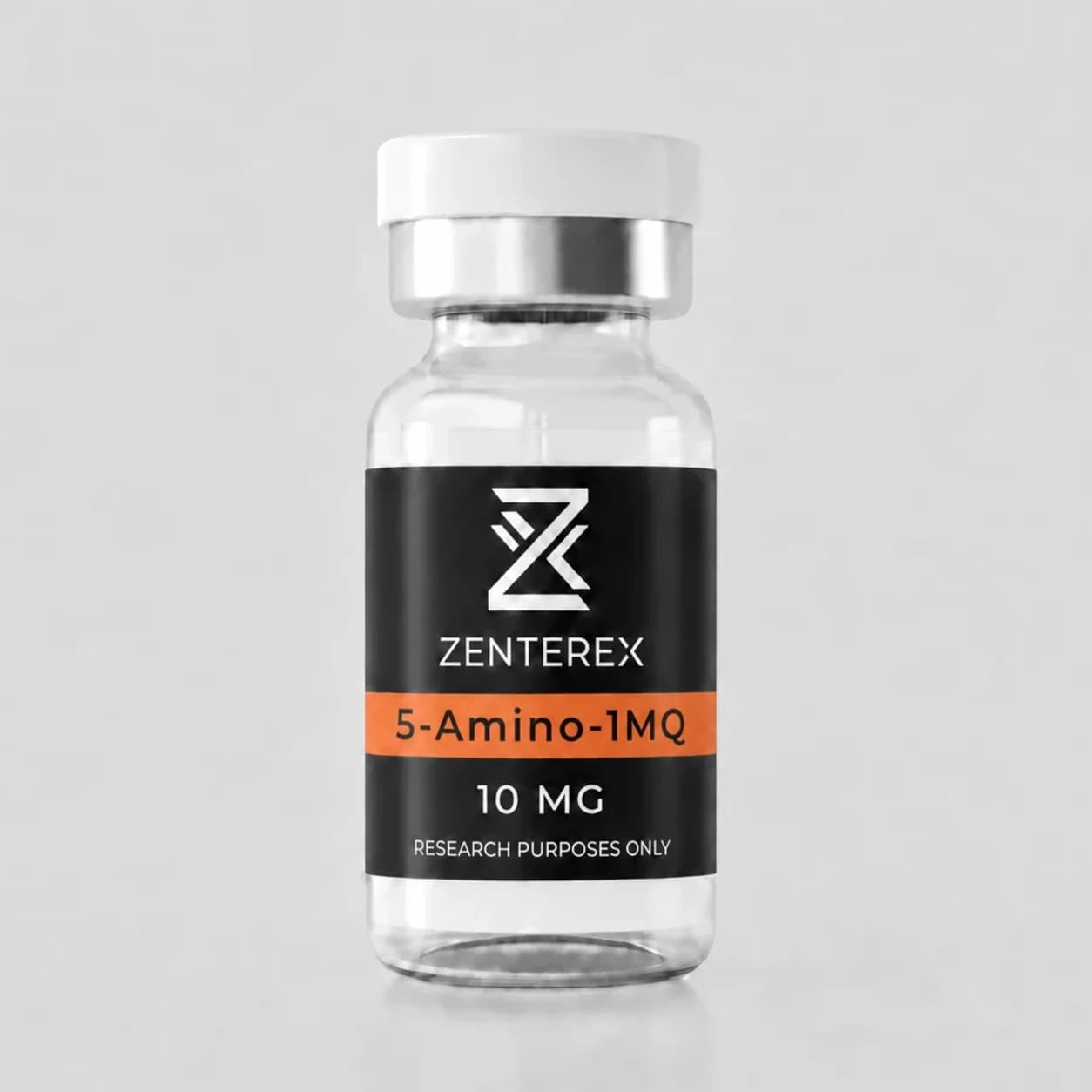
What Is 5-Amino-1MQ? A Plain-English Guide
5-Amino-1MQ explained simply: not a peptide, and it does not switch anything on. It blocks one enzyme, and that is a different kind of thing entirely.
Aliquoting Protocols and Freeze-Thaw Cycles
Freezing and thawing the same stock over and over is one of the best-documented ways to wreck a peptide. Why splitting it up fixes that.
What Is Methylene Blue? A Plain-English Guide
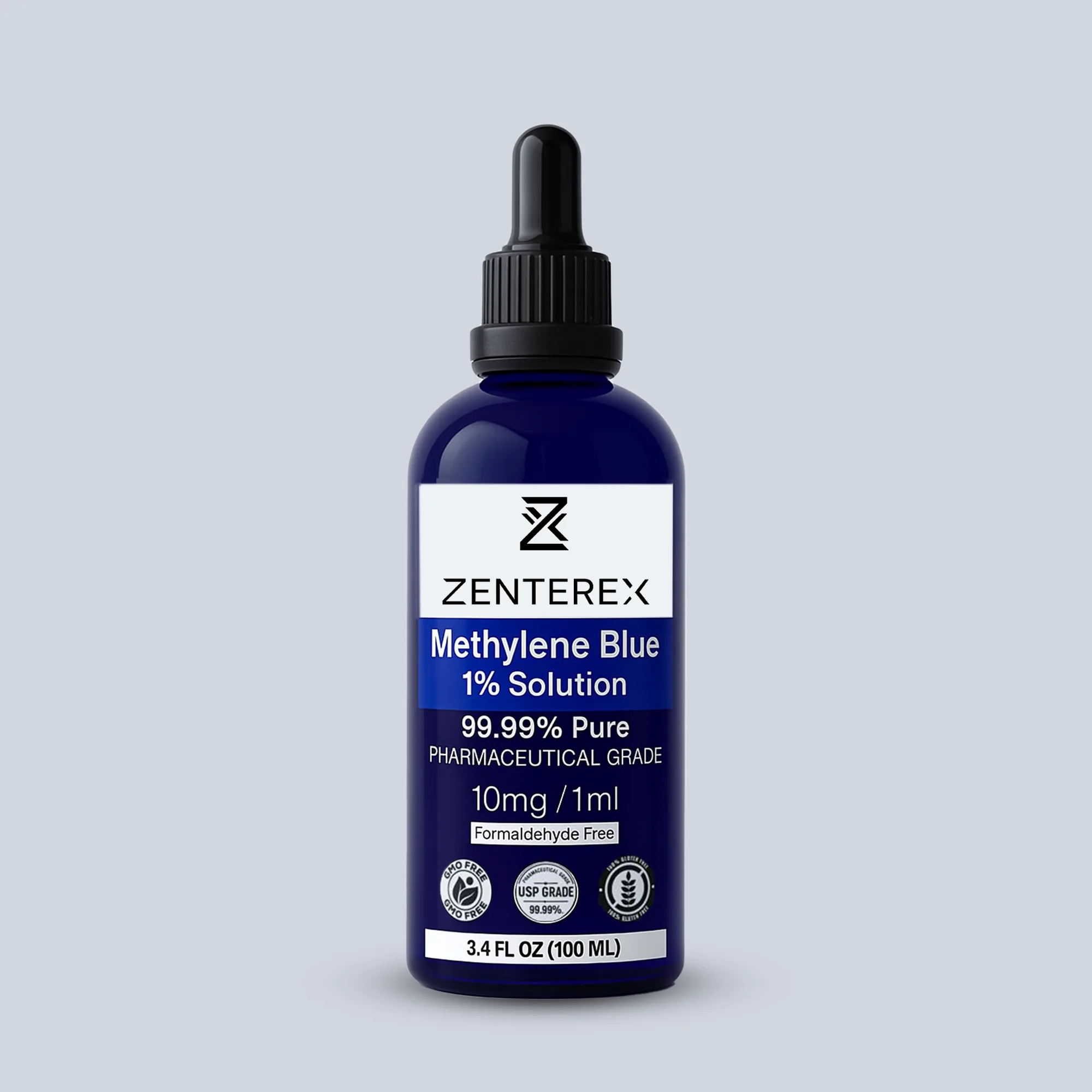
Methylene blue explained simply: a 150-year-old dye, not a peptide, whose two published behaviours both come from the same property.
Why Are Research Peptides Supplied as Lyophilised Powder?
Freeze-drying takes out the water that breaks peptides down. Why research peptides ship as a dry cake instead of a liquid.
What Is FOXO4-DRI? A Plain-English Guide
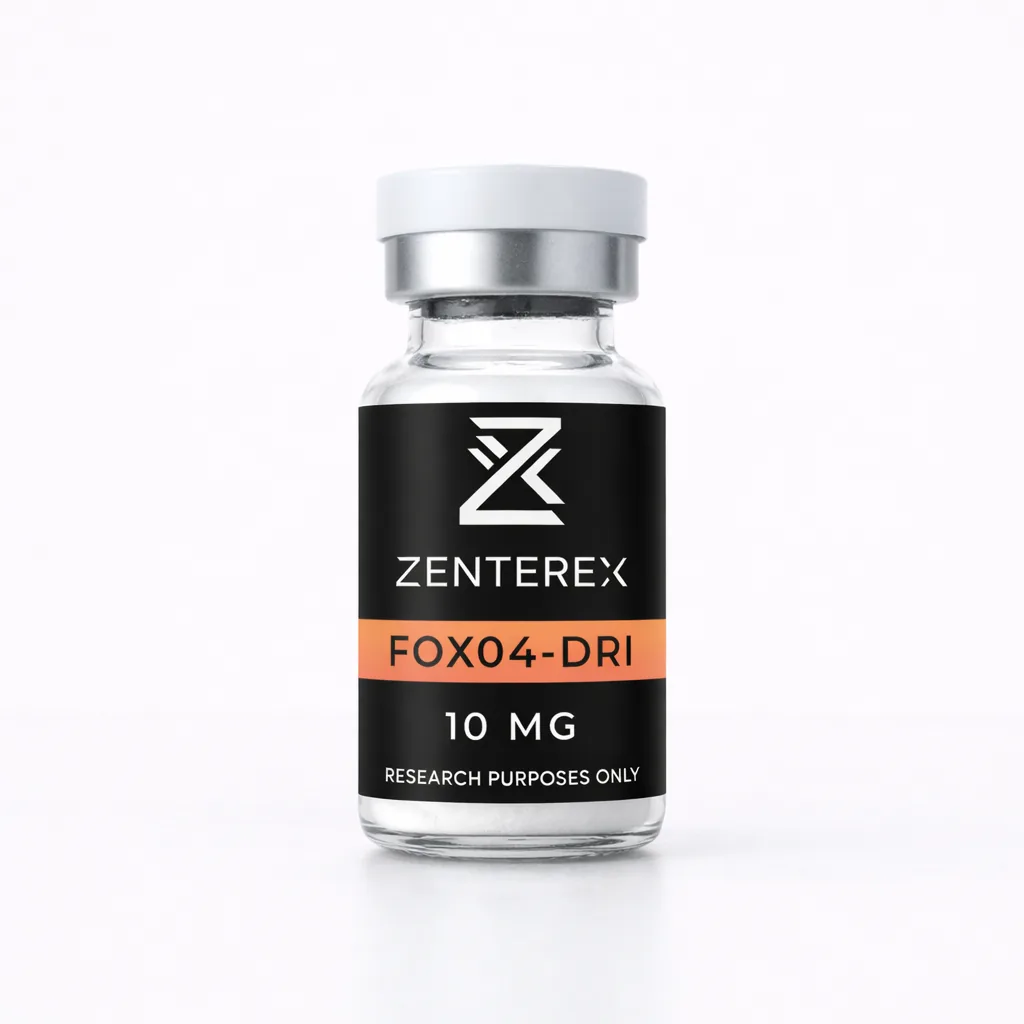
FOXO4-DRI explained simply: a mirror-image peptide built to get between two proteins, and why that is a much harder target than a receptor.
Peptide Storage: Temperature, Light and Time
A practical storage reference for research peptides: temperature tiers, containers, freezer organisation, what to do on arrival, and the records that make it traceable.
Choosing a Reconstitution Solvent
Water, acetic acid, ammonium bicarbonate or DMSO. How the choice follows from a peptide's charge and greasiness, and why the published figure comes first.
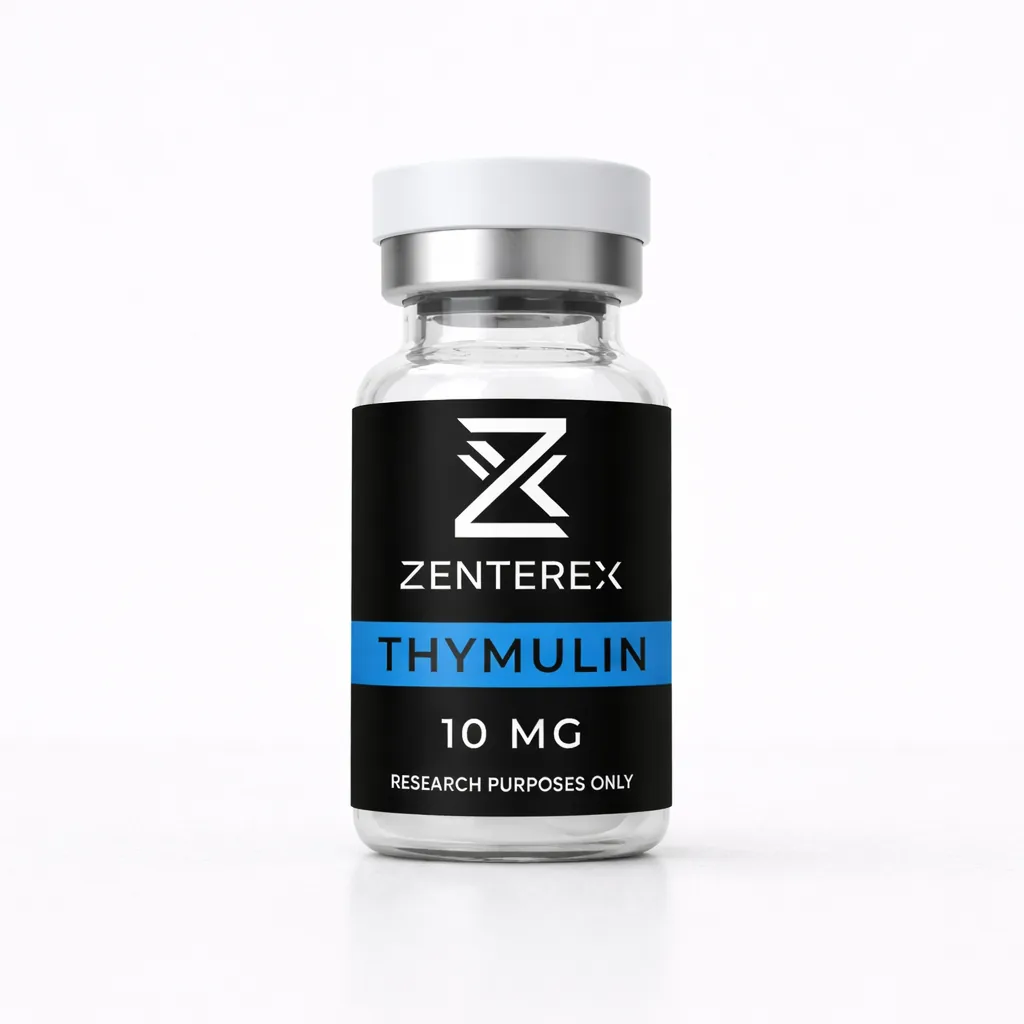
What Is Thymulin? A Plain-English Guide
Thymulin explained simply: a nine-bead peptide that only takes its working shape when a zinc atom is present, and why that changes your buffer choice.
Verifying a Janoshik Report, Step by Step
Every Janoshik certificate carries a verification key that resolves on the laboratory's own site. How to use it, and why a published PDF alone is not enough.
Which Mitochondrial Compound for Which Assay?
Three compounds reach the same organelle by three unrelated routes, and one of them is not a peptide at all. A selection guide by what you are measuring.
September 2026
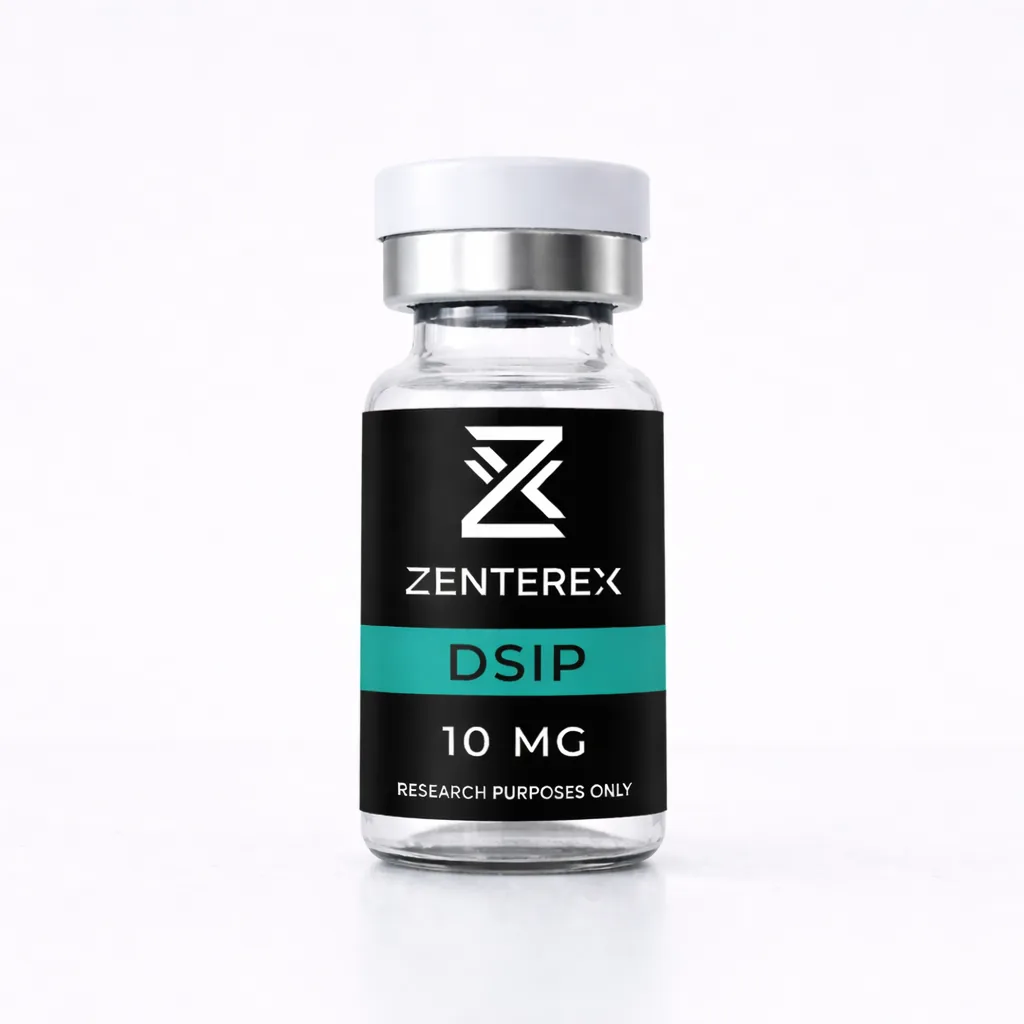
What Is DSIP? A Plain-English Guide
DSIP explained simply: a nine-bead peptide first pulled from rabbit blood in the 1970s, and the unusually unsettled state of what is known about it.
What Arrives in the Box
A walk through the parcel: the packaging, the vial, what the label tells you, what the powder should look like, and the one thing worth flagging to us.
How to Reconstitute GHK-Cu: The Copper Catch
GHK-Cu dissolves like any other peptide, but it has one property nothing else in the range shares, and the wrong buffer can quietly take it apart.
Inside the Semax + Selank Bundle
Two peptides from the same Russian research programme that share a design trick but come from completely unrelated parent molecules. What is in the bundle and why.
What Is KPV? A Plain-English Guide
KPV explained simply: the last three beads of a thirteen-bead hormone, and why that tail end gets studied on its own.
What Is Epitalon? A Plain-English Guide
Epitalon explained simply: the smallest peptide we sell, where it came from, and the one check that matters most when reading about it.
Which Cytoprotective Peptide for Which Assay?
Five compounds sit in this category and they are not interchangeable. A selection guide by mechanism, so you pick the one that matches the question you are asking.
What Is Selank? A Plain-English Guide
Selank explained simply: a seven-bead peptide built on a fragment of an antibody, which is not where you would expect a brain research compound to start.
What Is Semax? A Plain-English Guide
Semax explained simply: a piece of a bigger hormone with a protective cap bolted on the end, and what that cap is actually for.
How to Reconstitute BPC-157: A Worked Example
A step-by-step worked example of dissolving a 5mg BPC-157 vial, with the arithmetic shown in full and the four mistakes that cost most of the material.
Your First Order: What to Expect
What happens after you order research peptides from us: dispatch times, what the package looks like, what arrives in the vial, and what to do first.
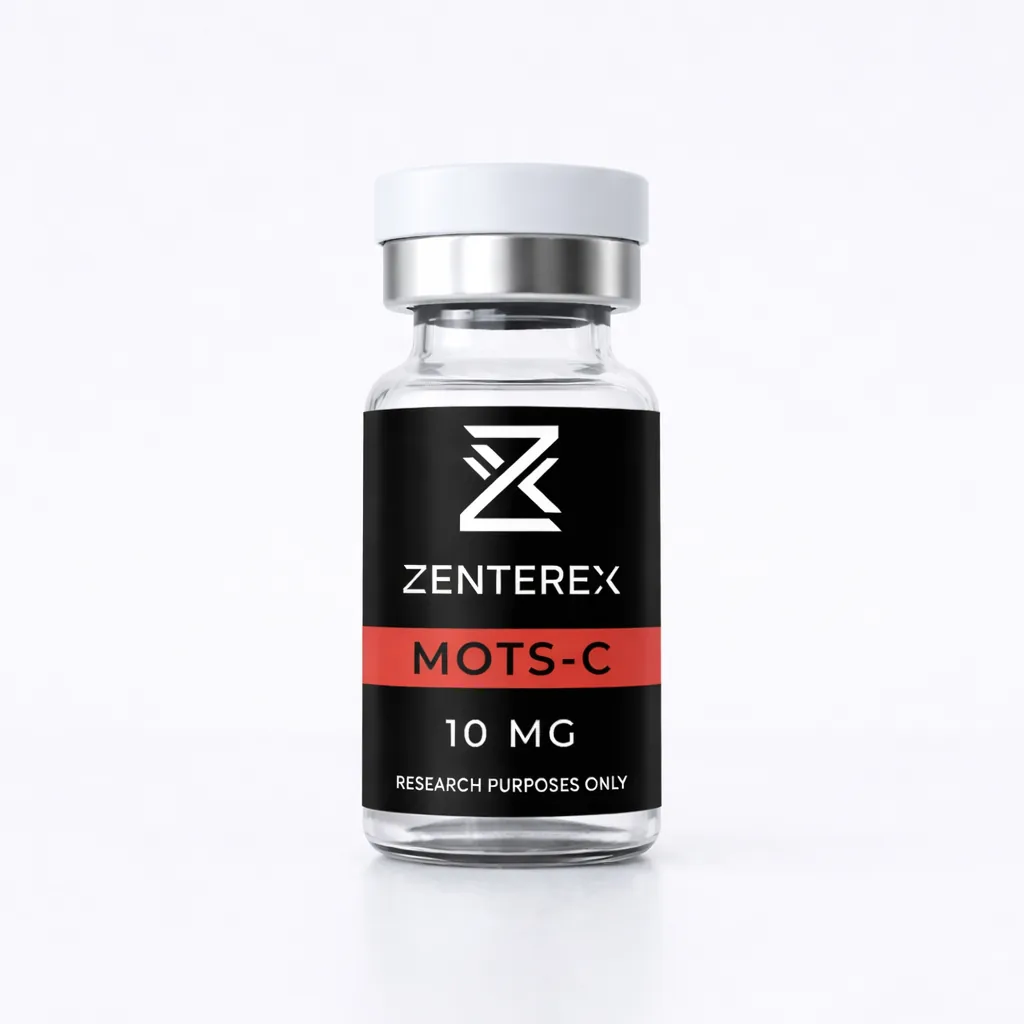
What Is MOTS-C? A Plain-English Guide
MOTS-C explained simply: the peptide written inside your mitochondria, how it connects to cellular energy and metabolism, and what arrives in the vial.
What a Certificate of Analysis Actually Tells You
How to read a peptide certificate of analysis: identity by mass spectrometry, purity by HPLC, net peptide content, batch numbers and independent verification.
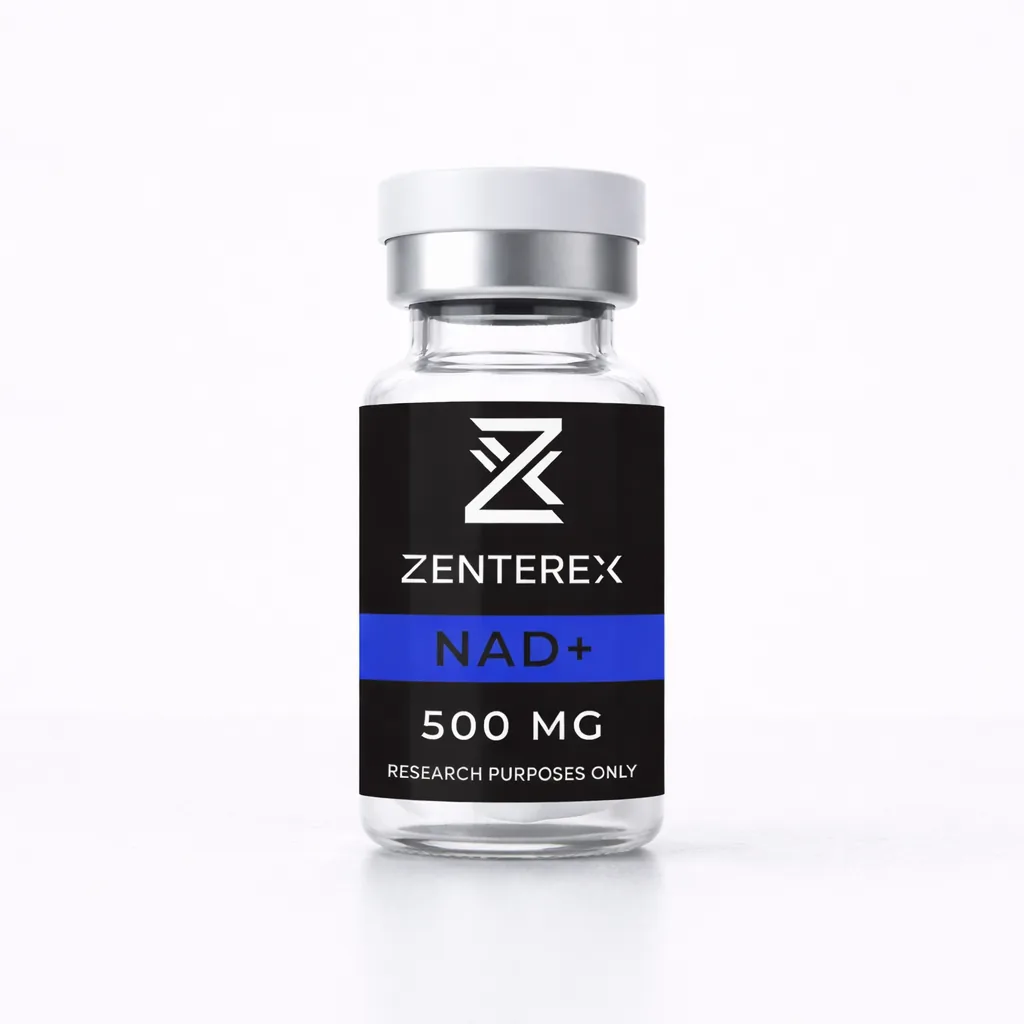
What Is NAD+? A Plain-English Guide
The chemistry of nicotinamide adenine dinucleotide, a redox coenzyme rather than a peptide, and its documented role in cellular electron-transfer research.
How to Choose a Research Peptide Supplier
Nine checks that separate a supplier who can prove what is in the vial from one who is asking you to take their word for it. Works on any supplier, including us.
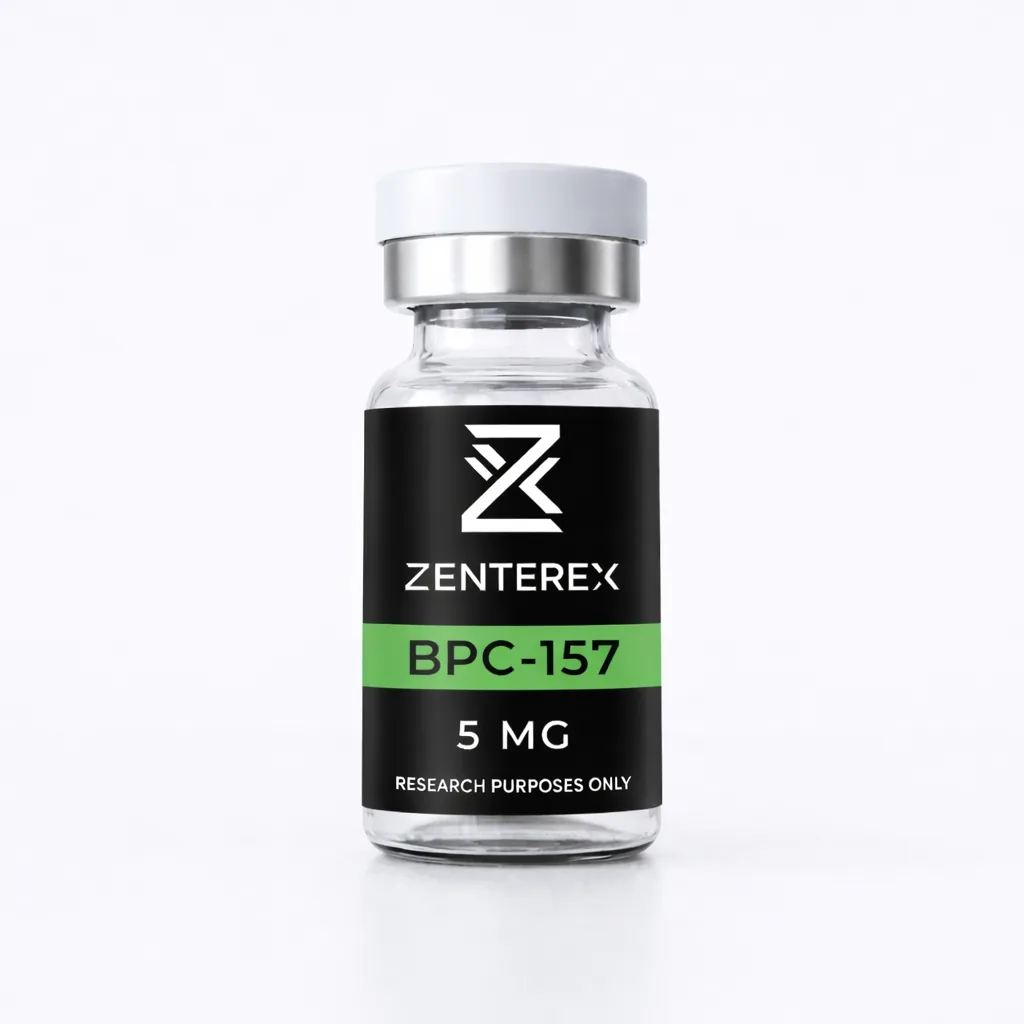
What Is BPC-157? A Plain-English Guide
BPC-157 explained simply: where it came from, what the letters mean, what scientists have studied it for, and what you get when you order a vial.
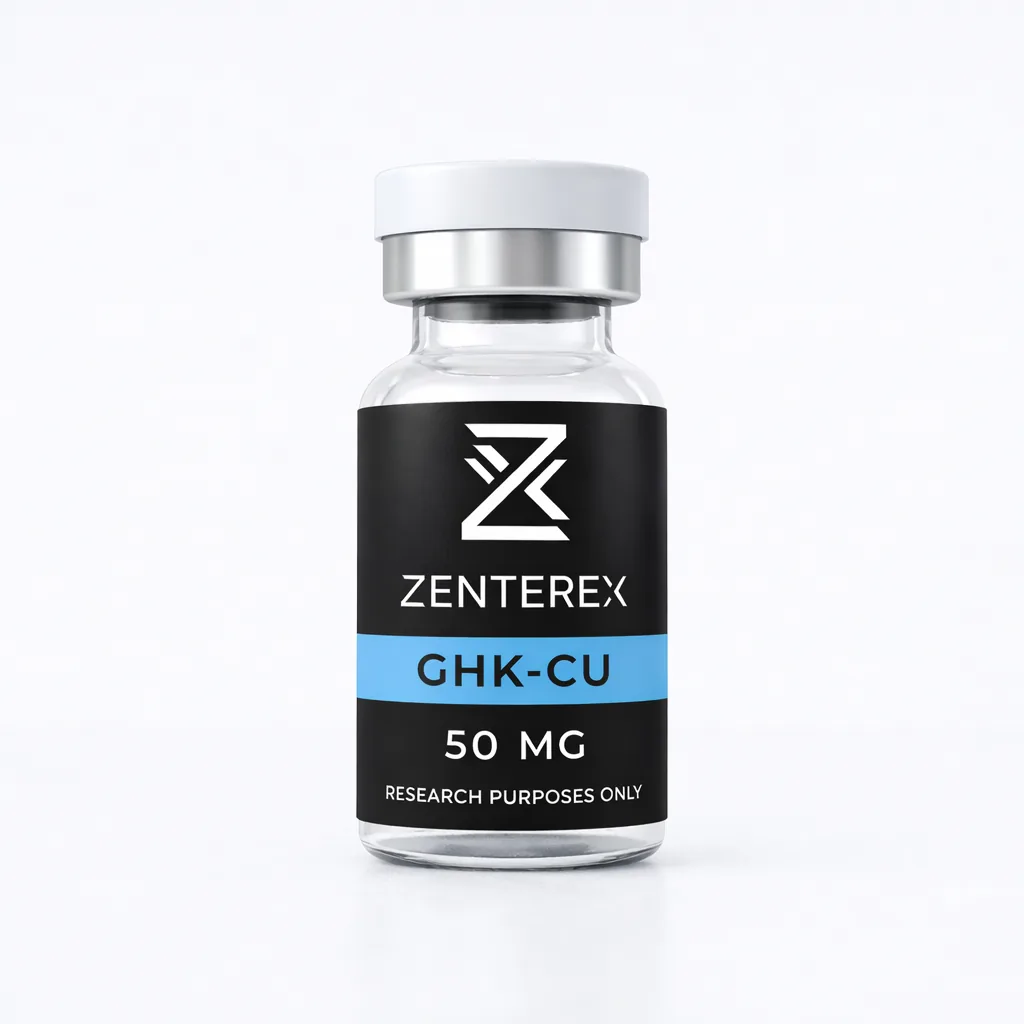
What Is GHK-Cu? A Plain-English Guide
GHK-Cu explained simply: the copper peptide found in human blood, why the copper is the whole point, what collagen research has looked at, and what is in the vial.
August 2026
What Is Bacteriostatic Water?
Bacteriostatic water has benzyl alcohol in it, which stops bacteria growing in a vial you open more than once. What that means, and when to use it.

A Research Peptide Glossary: Terms, Abbreviations and Units
Plain-English definitions of the terms, abbreviations and units used on peptide product pages and certificates of analysis.
Certified reference material sample sold and distributed for Laboratory research only