

Cytoprotective Peptides as a Compound Class
What the cytoprotective peptide group holds, why the five compounds in it are unrelated, and the lab tests the field shares.
Our cytoprotective peptides group holds five compounds.
A reasonable first guess would be that they are chemically related. They are not. Working out why the group exists at all is a good way into the field.
The group is about research context, not chemistry
Most product groups collect things by structure or by target. This one does neither. It collects them by the kind of question researchers have asked about them.
Cytoprotection, in the dish sense, is about cells in culture staying alive and intact under conditions that would otherwise damage them. The group gathers compounds that turn up in that research, whatever they are made of.
The five show how wide that net is.
| Compound | Weight | What it is |
|---|---|---|
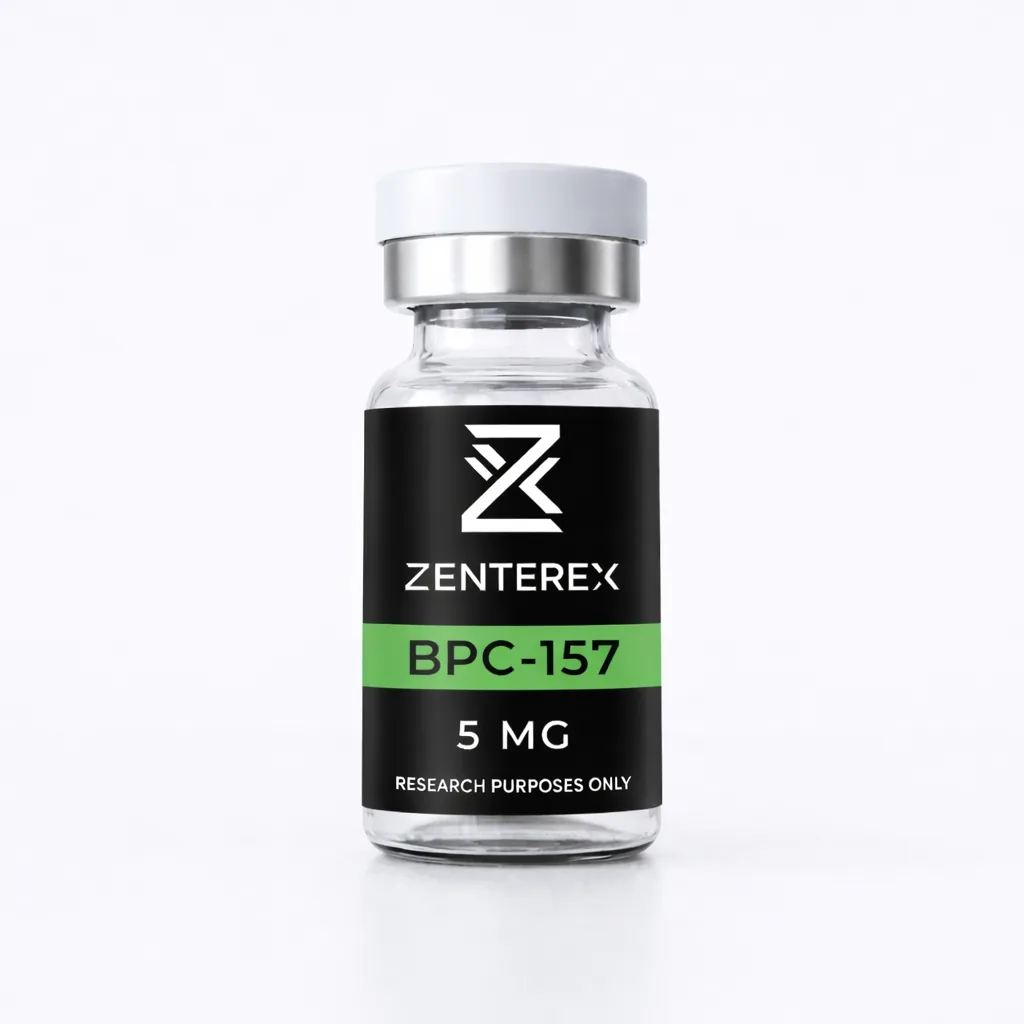
| BPC-157 | 1419.54 g/mol | 15 beads, from a stomach fluid sequence |
| TB-500 | 4963.44 g/mol | copies part of a protein found inside cells |
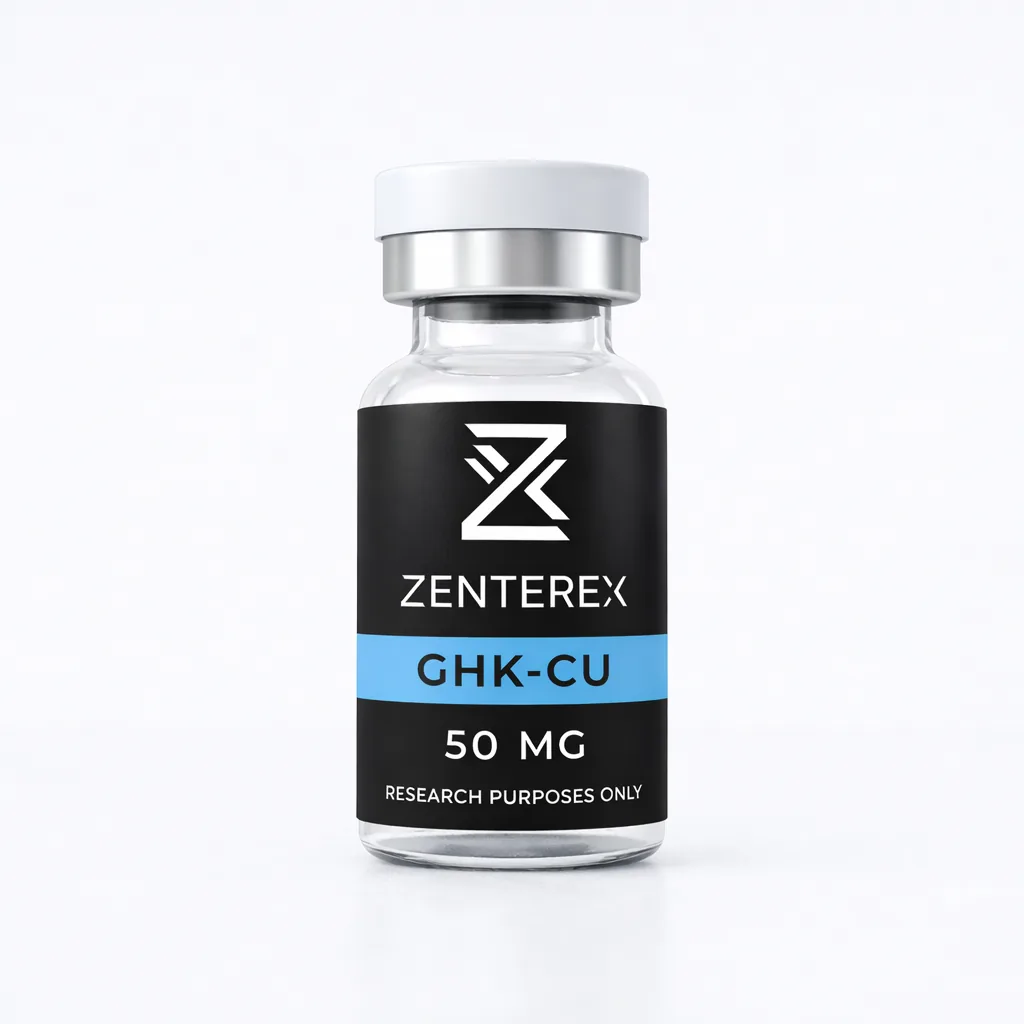
| GHK-Cu | 403.91 g/mol | 3 beads wrapped around a copper atom |
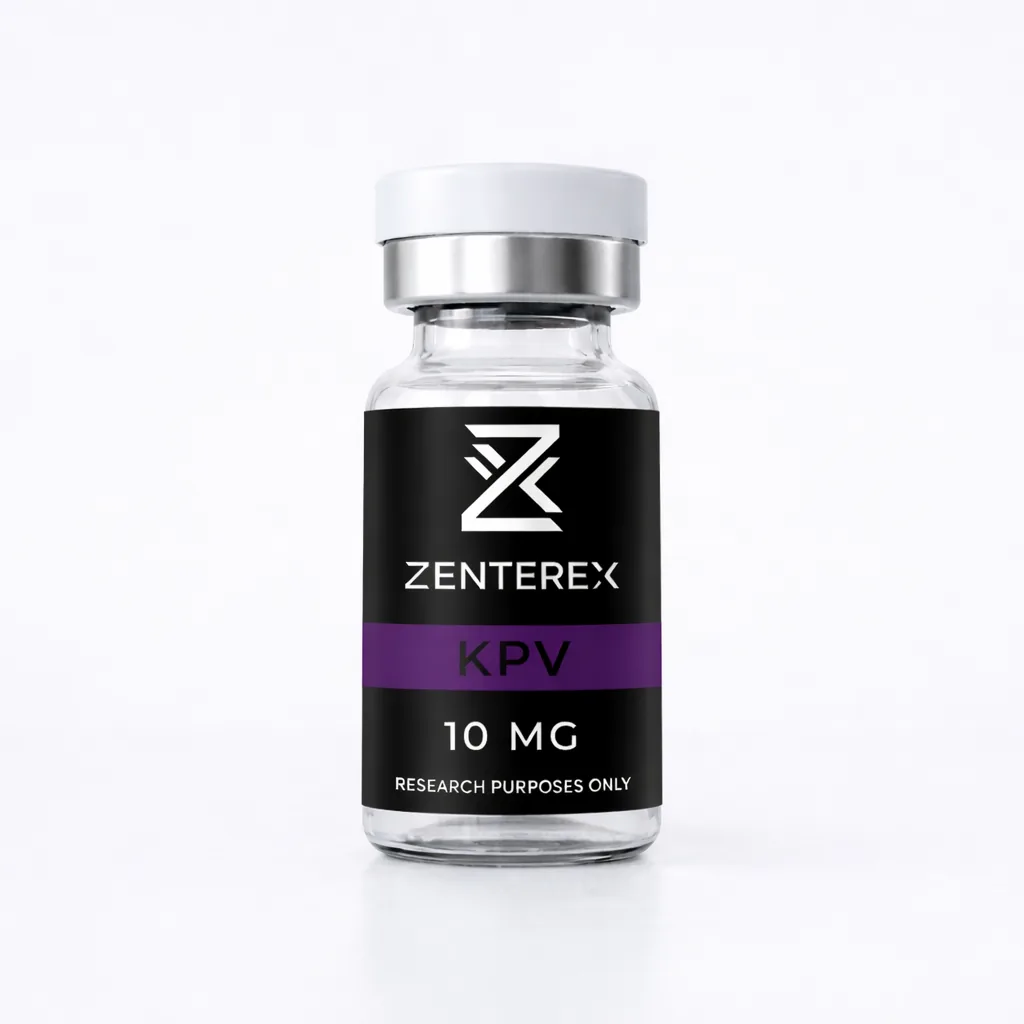
| KPV | 416.47 g/mol | 3 beads, the tail end of alpha-MSH |
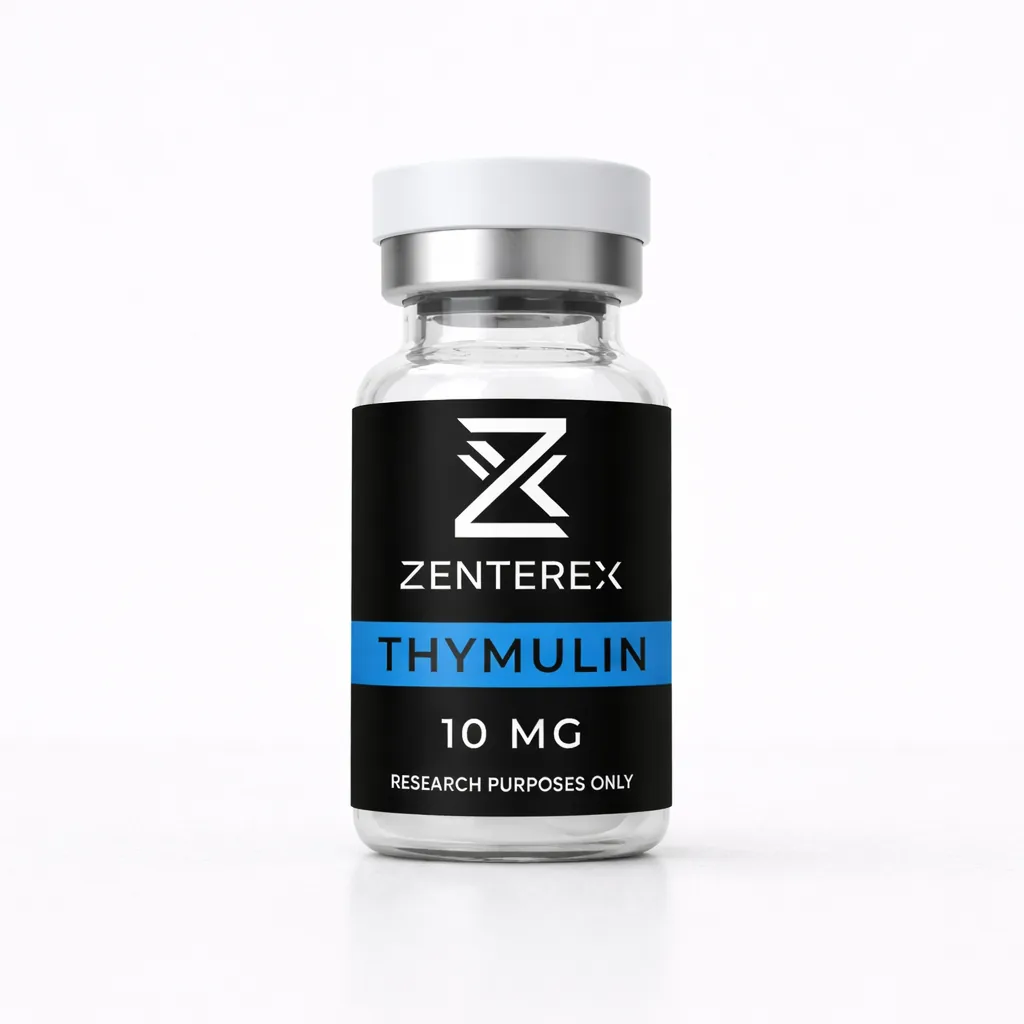
| Thymulin | 847.87 g/mol | 9 beads, needs zinc to fold properly |
The weights span more than a factor of twelve. One holds copper, another needs zinc. Two are pieces cut from bigger molecules, and one comes from a digestive fluid. There is no shared feature at all.
The mechanisms do not line up either
If structure does not unify the group, you might expect mechanism to. It does not.
- BPC-157 research is about VEGF receptors, nitric oxide, and a signalling cascade called ERK1/2.
- TB-500 research is about actin, the scaffolding cells build and take apart to move.
- GHK-Cu research is about copper chemistry, and about how much scaffolding protein cells make in culture.
- KPV research is about inflammatory signalling, following from its alpha-MSH parent.
- Thymulin research is about zinc-dependent folding and immune signalling in culture.
Receptor signals, cytoskeleton, metal chemistry and protein output. Four different kinds of thing.
The group is, honestly, a filing arrangement rather than a chemical family.
The tests the field shares
What these compounds do share is the equipment used to study them. Knowing the formats makes the research far easier to read.
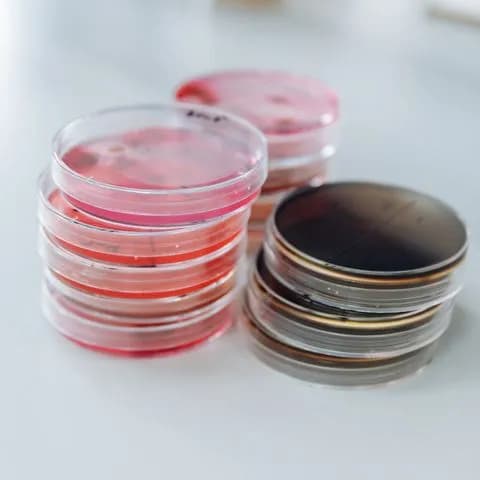
Survival tests. Cultured cells are put under stress, and you measure how many survive. The compound is present in one arm and absent in the other.
Scratch wound tests. You grow a sheet of cells, scrape a clear line through it, and record how fast cells move in to close the gap. That measures cells moving.
The name describes the plate, not anything happening in an animal. It is the source of a great deal of misreading in second-hand sources.
Gene and protein tests. Measuring how much of a specific target is present after exposure. Much of the VEGF and scaffolding-protein work is this kind.
Rodent studies. A large part of the BPC-157 and TB-500 research is in rodents rather than dishes. Findings there describe those models.
Reading the research-status labels
Each research area on our product pages carries one of three labels: extensive, moderate or preliminary.
They say how much has been published, and nothing else. They are not a quality ranking and not a comparison between compounds. "Preliminary" means the work is early or limited. That is a statement about the field, not about the molecule.
One caution applies across the whole group. Several of these compounds have research coming from a small number of groups. That is not a criticism of the work. But evidence concentrated in few hands has been repeated independently less than a citation count suggests. Worth checking when you review sources.
Practical handling
The variety has real effects at the bench.
They dissolve differently. A solvent that suits one compound here does not automatically suit another. The published figure is on each product page.
The metal ones need care. GHK-Cu's copper and Thymulin's zinc are part of the molecules, not contaminants. Buffer ingredients that grab metals will interfere.
**Molecule counts differ enormously.** Equal weights of GHK-Cu at 403.91 g/mol and TB-500 at 4963.44 g/mol are not comparable amounts. Our calculator converts.
All five store at minus 20 degrees Celsius, away from light, and all come as freeze-dried powders.
Paperwork
Batch reports for the group are published, with several batches available for BPC-157, GHK-Cu and TB-500. Each confirms identity by weighing the molecule against the expected value, and reports purity by chromatography.
Because these compounds often turn up in one research programme, four of them come together as a bundle of separate freeze-dried vials. That is a buying arrangement, and it says nothing about mixing them.
Everything we sell is for lab research only. It is not a medicine, and it is not for people or animals to take.