
Inside the Semax + Selank Bundle
Two peptides from the same Russian research programme that share a design trick but come from completely unrelated parent molecules. What is in the bundle and why.
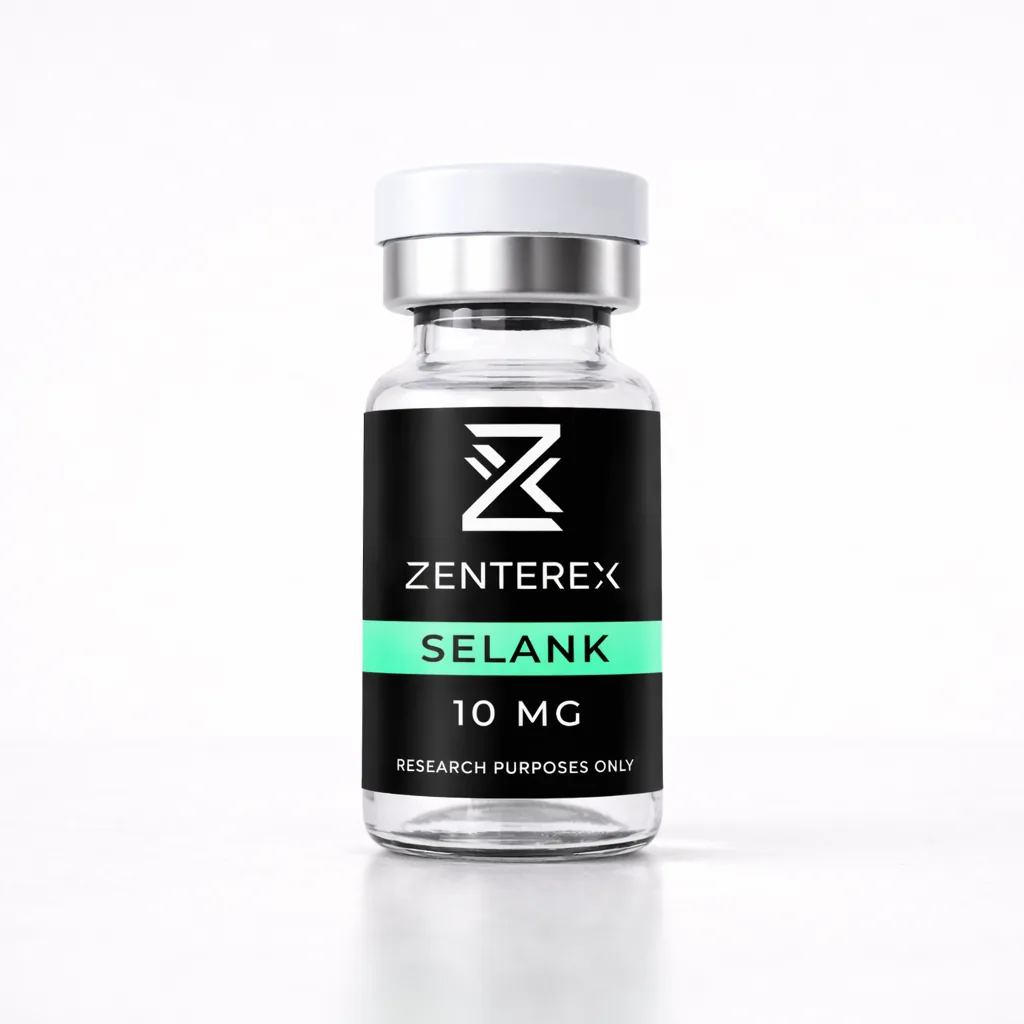
Semax and Selank are the most commonly paired compounds in our CNS group. Unlike some pairings, this one has a real basis. They came from the same research programme and share a genuine piece of design.
What they do not share is a parent molecule, and that is the interesting part.
What you actually get
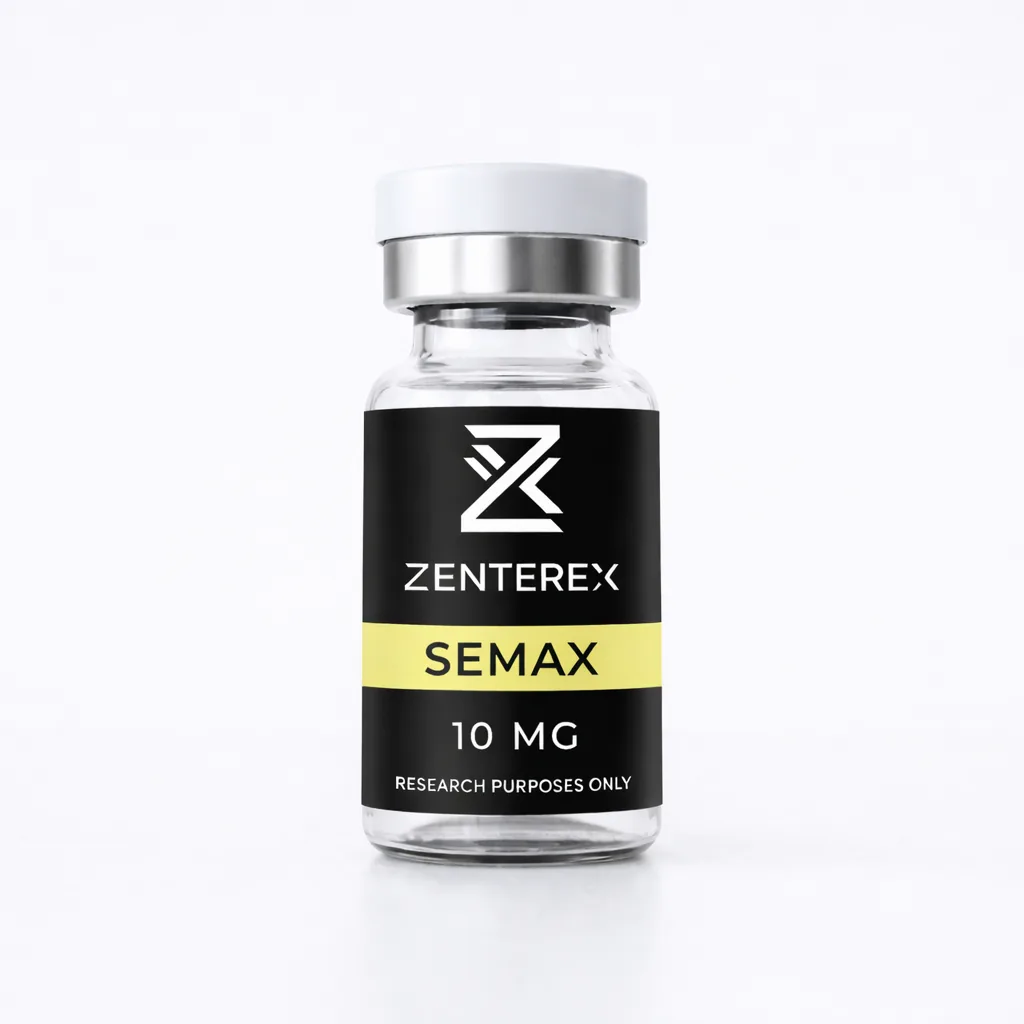
Two separate vials, freeze-dried, each sealed with its own batch number and its own independent lab report.
The shared design
Both are 7 amino acids long, and both carry the same three-amino-acid cap on one end: Pro-Gly-Pro.
That cap exists for a specific reason. Short peptides are chopped up quickly by enzymes, which normally start at a loose end. Proline is an unusual amino acid. Its side branch loops back and joins the backbone, making a small ring. That ring makes the chain stiff and awkward. Enzymes struggle to grip it.
So capping a short peptide with Pro-Gly-Pro slows down how fast it gets broken apart. It is a deliberate engineering trick, applied twice by the same research group.
The unshared part
Here is where the assumption breaks down. The two caps sit on completely different molecules.
Semax is built on a fragment of ACTH, a hormone from the pituitary gland.
Selank is built on tuftsin, a four-bead piece cut from an antibody. That is part of the immune system, not the brain at all. It is named after Tufts University, where it was described.
A pituitary hormone fragment and an antibody fragment. The two have no structural relationship. They look similar because one research group applied one solution to two different starting points.
The lesson travels well. **A shared modification is not a shared mechanism.** Two houses on the same foundation still serve different purposes. Our full comparison sets it out.
What each is studied for
Semax. Published work reports effects on BDNF, a growth factor for nerve cells. It also covers the dopamine and serotonin systems, in animal studies.
Selank. Published work centres on GABA signalling, one of the brain's main calming systems. There is a smaller body of immune work too, reflecting its tuftsin parent.
Two things to know about the research
Much of it is in Russian. Both compounds were developed and studied largely within the Russian research system. A lot of the original work predates or sits outside English-language indexing. English summaries of it vary considerably in how faithful they are to the source.
Rodent behavioural studies describe rodents. A large share of the published work is behavioural testing in rats and mice. That is legitimate research, and it is a long way from any conclusion about people. Secondary sources on these two compounds overstate more than most.
The pricing
£54.99 for both vials.
Volume discounts stack: three or more units takes 10% off, five or more 15%.
Practical notes
Same storage for both: minus 20 degrees Celsius, dark.
Different solubility. Despite being the same length and the same vial size, the published figures differ. Check each product page rather than assuming.
Label carefully. Similar names, identical vial sizes, adjacent in the range, seven amino acids each. This is the easiest pair in the range to mix up. Put the full name and the batch number on every aliquot, not an abbreviation.
Record both batch numbers separately.
The third one in this group
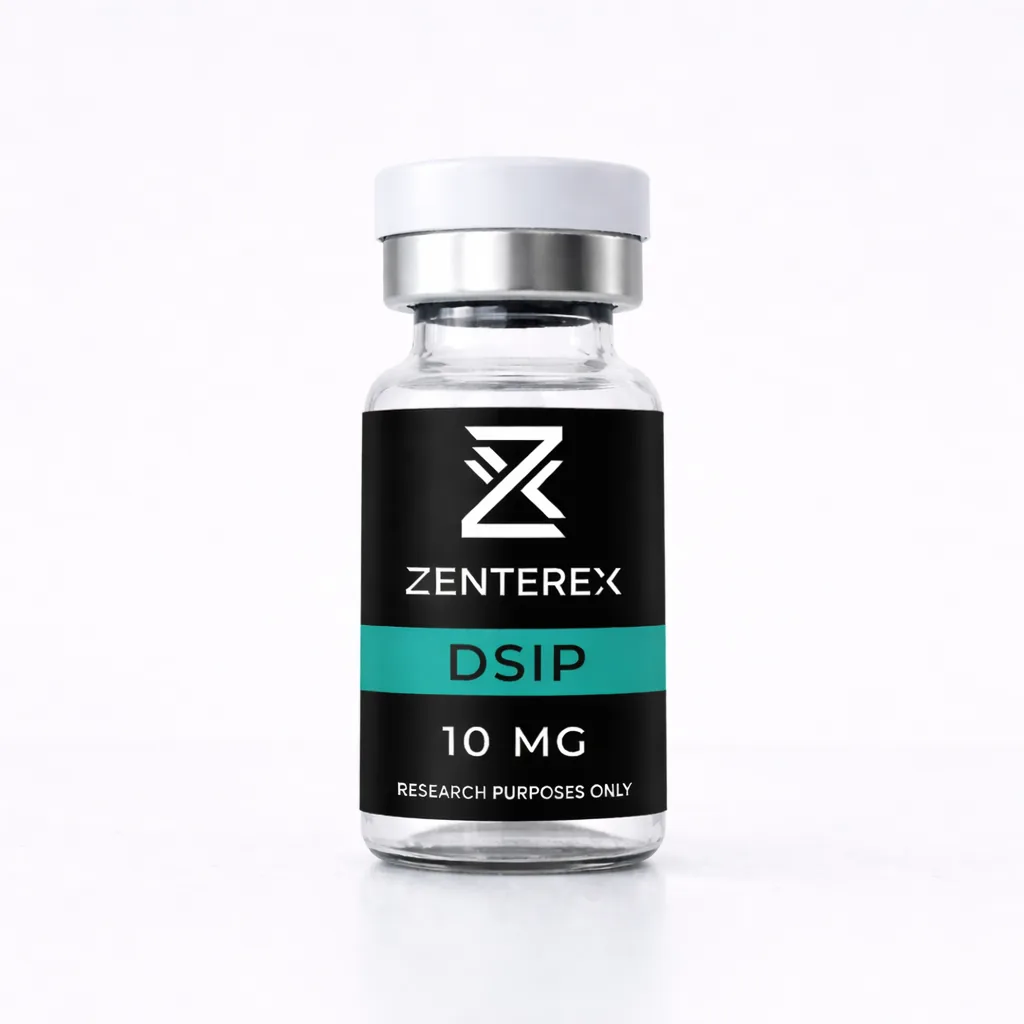
DSIP sits with these two but is not in the bundle, and that is deliberate. It shares neither their origin nor their design. Its research is markedly less settled, no agreed receptor. A history of findings that have been difficult to reproduce. Its own guide is honest about that.
Checking what you received
Both batch numbers should match reports. Each report carries a code. Enter it on the issuing lab's own site to confirm the report is genuine.
Seven-bead peptides are simple to make. Only six joining steps, so few places for something to go wrong. That tends to show up as clean chromatograms.
View the bundle, or ask us.