

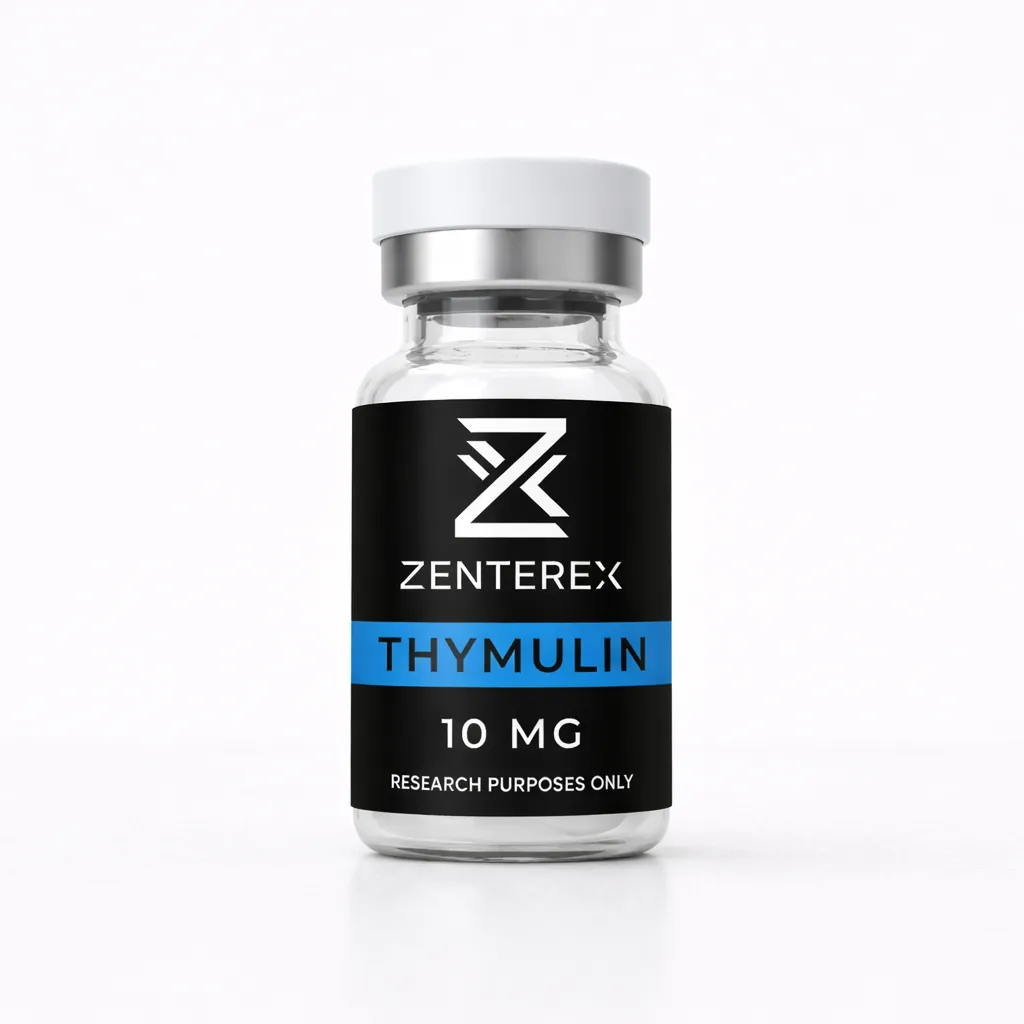
Cytoprotective Peptides
Thymulin
10mgC₃₃H₅₄N₁₂O₁₅S
Key Research Findings
- Bach et al. — characterisation of the Zn²⁺-binding nonapeptide sequence.
- Published T-cell precursor differentiation assay data.
- Animal-model cytokine expression studies under controlled in-vitro conditions.
Overview
Thymulin is a synthetic zinc-dependent nonapeptide originally isolated from thymic tissue. Supplied as a lyophilised powder for in-vitro research use only.
Mechanism of Action
Reported in published in-vitro studies as a Zn²⁺-coordinating peptide active on T-lymphocyte differentiation cell-culture assays. Not intended for human or veterinary use.
Research Effects
Zinc-Coordination Activity
Extensive ResearchCharacterised in published studies as a Zn²⁺-coordinating peptide active only in the zinc-bound form.
T-Cell Differentiation Assays
Extensive ResearchPublished cell-culture studies report effects on the differentiation of T-lymphocyte precursors.
Cytokine-Expression Studies
Moderate ResearchAnimal-model in-vitro studies report changes in IL-1 and TNF-α expression in controlled assays.
Laboratory Research Only — All information on this page is provided for scientific research purposes only. This is a certified reference material sample sold and distributed for laboratory research only.
Quick Facts
Research Status Key
Related Peptides
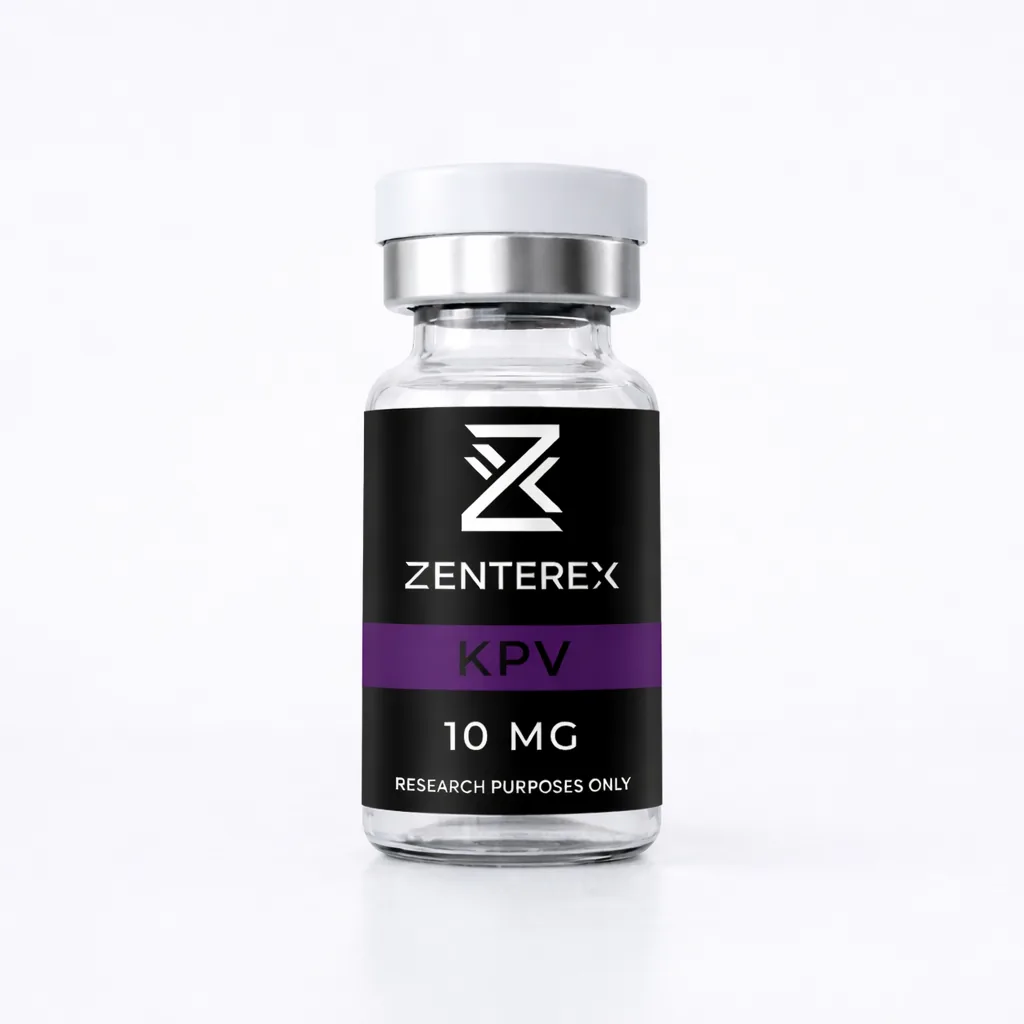
Cytoprotective Peptides
KPV
KPV is a synthetic tripeptide fragment of the α-MSH C-terminal sequence. Supplied as a lyophilised powder for in-vitro research use only.
Learn More →
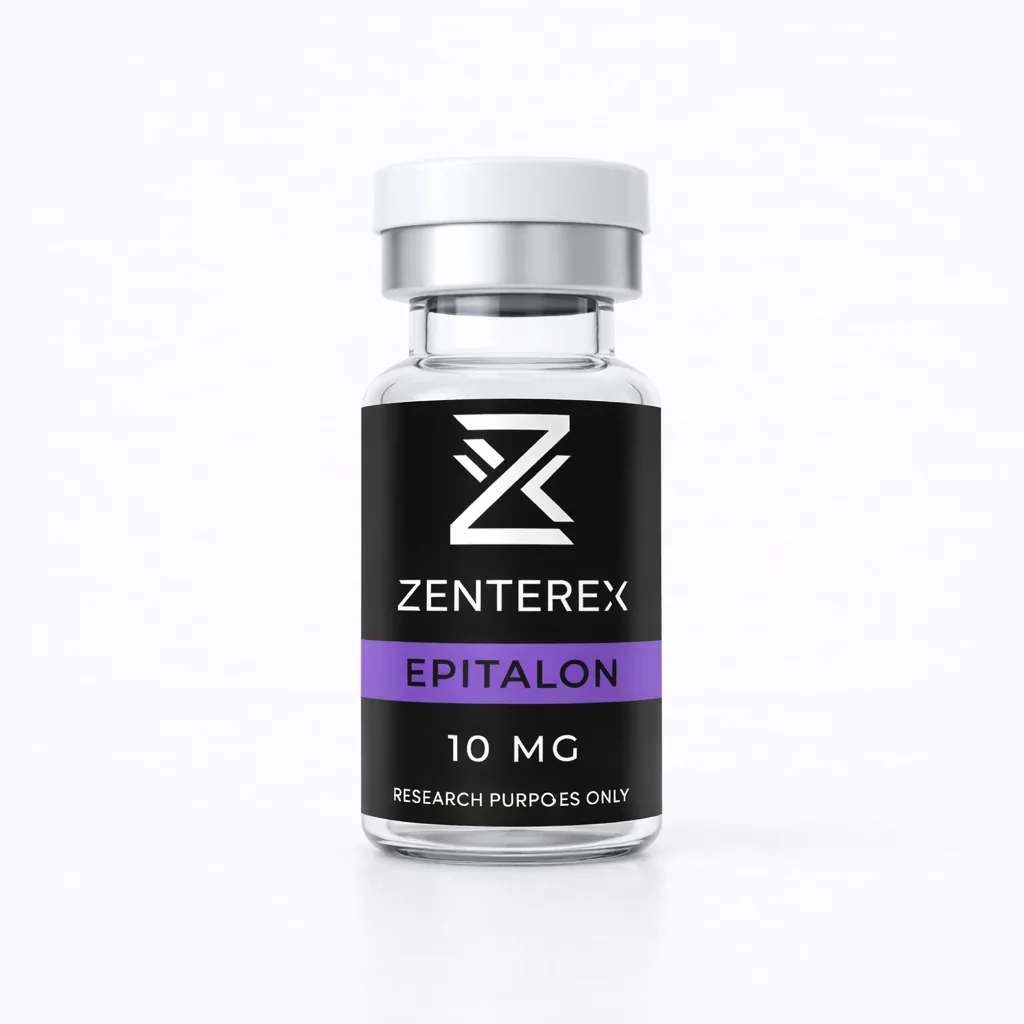
Synthetic Peptide Analogues
Epitalon
Epitalon (Epithalon) is a synthetic tetrapeptide derived from a sequence identified in pineal-gland extracts. Supplied as a lyophilised powder for in-vitro research use only.
Learn More →