


Why CAS Numbers Matter on a Product Page
Peptide names vary wildly between suppliers and papers. The CAS registry number is the identifier that does not, and it is the one to check first.
Every compound page on this site carries a CAS number. It is the dullest field in the quick facts panel, and the most useful one. It is the only identifier there that cannot be written two ways.
The naming problem it solves
Peptide nomenclature is a mess, and not through anyone's fault. Compounds acquire names at different points in their history and the names accumulate.
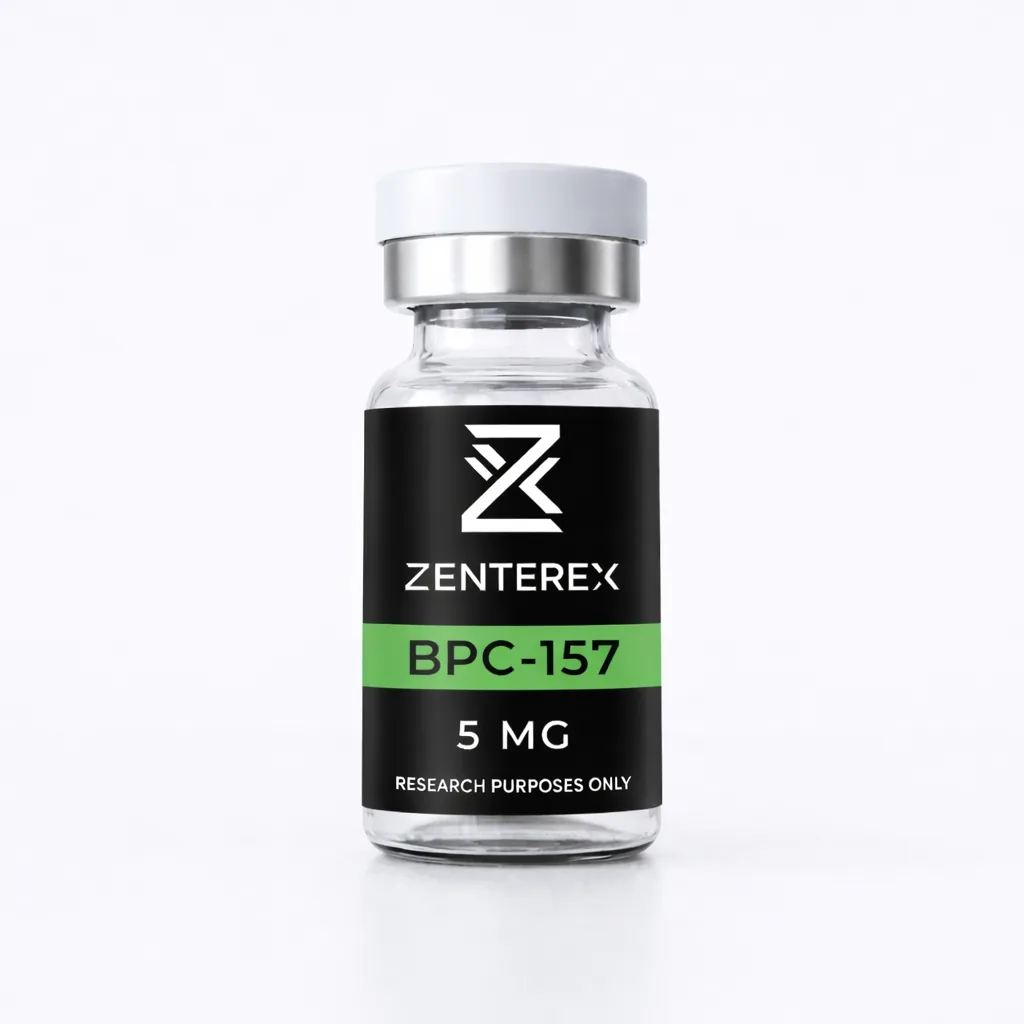
Take one compound from our range. BPC-157 appears in published research and in supplier listings as BPC 157, BPC157, Body Protection Compound 157, pentadecapeptide BPC 157, and gastric pentadecapeptide. All five refer to the same molecule. A search for one will miss listings using another.
The reverse problem is worse. Similar names can refer to really different materials. CJC-1295 with the drug affinity complex linker and CJC-1295 without it are distinct compounds with different molecular weights. The distinction lives completely in a parenthetical that is easy to drop. Thymosin beta-4 and a lab-made fragment analogue of it are not the same material either.
Names are approximate. A registry number is not.
What a CAS number is
The Chemical Abstracts Service assigns a unique numeric identifier to each distinct chemical substance it registers. The format is a string of digits in three hyphenated groups, for example 137525-51-0 for BPC-157 or 77591-33-4 for TB-500.
The number carries no meaning in itself. It is not derived from structure or mass, and a higher number does not indicate anything. It is purely an index entry. That is exactly what makes it useful: it has no room for interpretation.
One number, one substance. If two listings show the same CAS number, they mean the same chemical, whatever they call it.
How to use it
The practical procedure is short.
- 1.Take the CAS number from the product page rather than the compound name.
- 2.Search the research by that number to find work on the same material.
- 3.When comparing suppliers, compare CAS numbers before comparing prices. A cheaper listing under a similar name may be a different compound.
- 4.Record it in your notes with the batch number, so results stay traceable to a specific identified substance.
That last step is the one most often skipped. It is the one that matters most when a result needs re-examining months later.
Where a CAS number stops helping
Two limits are worth knowing.
**Not everything has one.** Newer compounds and some defined analogues may not have been registered. 5-Amino-1MQ is an example in our range where no CAS number is listed. Its absence is a statement about the registry, not about the compound's identity. The molecular formula and mass still pin the substance down.
It identifies the substance, not the batch. A CAS number confirms which chemical a vial is supposed to contain. It says nothing about whether that particular vial does, or to what purity. That is what the batch report answers. The two identifiers do different jobs. The CAS number identifies the substance, the batch number identifies the material in front of you.
Why we print it
A supplier who lists a compound by name alone is asking to be taken at their word. A supplier who prints the CAS number, the formula, the weight and, where there is one, the sequence has given you four independent ways to check.
Those four fields appear on every compound page in our range. The batch reports test the material against them.
Everything we sell is for lab research only. It is not a medicine, and it is not for people or animals to take.