
What Is a Peptide Sequence and How Is It Written?
How sequences are written in one and three-letter codes, why the direction matters, and what the sequence on a product page is actually claiming.
The sequence on a product page is the fullest statement of identity we can make about a peptide.
It is also the field people skip, because the notation looks unfamiliar. It is worth ten minutes.
What a sequence is
A peptide is a chain of amino acids joined end to end. Think of beads on a string. The sequence is the order of the beads.
That order is the molecule's identity. Two peptides made of the same beads in a different order are different compounds with different properties.
It is the same as words. "Dog" and "god" use identical letters and mean nothing like each other. What the molecule is made of is not what it is.
The two codes
Sequences get written two ways, and both appear in the research.
**Three-letter code** uses a short abbreviation per bead, joined by hyphens. BPC-157 is written:
Gly-Glu-Pro-Pro-Pro-Gly-Lys-Pro-Ala-Asp-Asp-Ala-Gly-Leu-Val
**One-letter code** uses one character per bead, run together. The same sequence is GEPPPGKPADDAGLV. More compact, harder to read, and the standard in databases.
We print the three-letter form on product pages because it is legible. The two say the same thing.
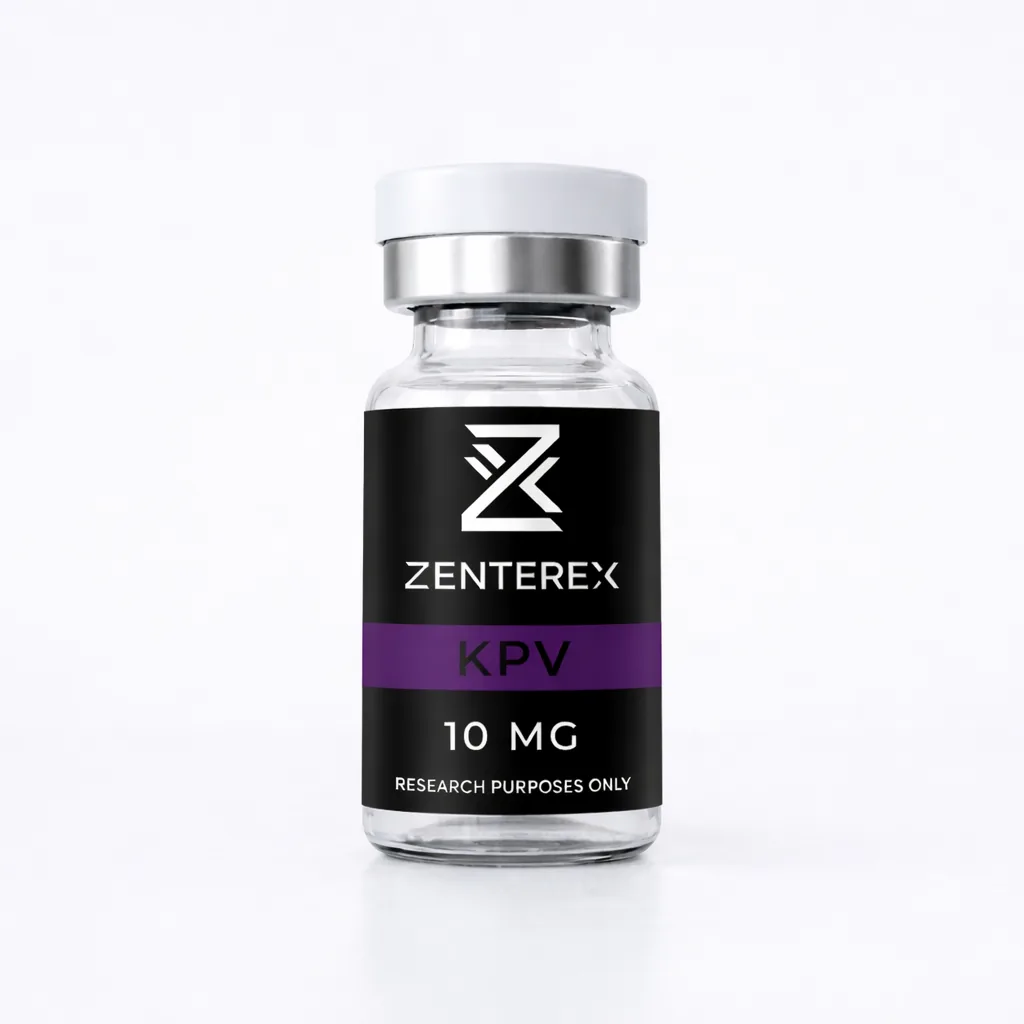
Some compound names **are** sequences. KPV is exactly that: lysine, proline, valine. Three beads, and the name is the sequence.
Direction matters
Sequences are written from the N-terminus to the C-terminus, left to right.
Those are the two chemically different ends of the chain. One carries a free amino group, the other a free carboxyl group.
A chain has a direction, the way a sentence does. Read a sequence backwards and you have described a different molecule.
That is not pedantry. FOXO4-DRI is named for exactly this. D-retro-inverso means the sequence is reversed and every bead swapped for its mirror image. The reversal is half of what makes it a distinct compound.
What having the sequence lets you check
Three things follow from writing it down.
The expected weight. Every bead has a known weight, so a sequence gives you a total. That calculated figure is what a batch's measured weight gets compared against.
The sequence, the formula and the molecular weight on a product page are three consistent claims. A batch report tests the material against all of them.
Modifications show up. A cap on one end, a closed ring, an unusual bead: all of them change the weight. So the sequence and the weight together record any change.
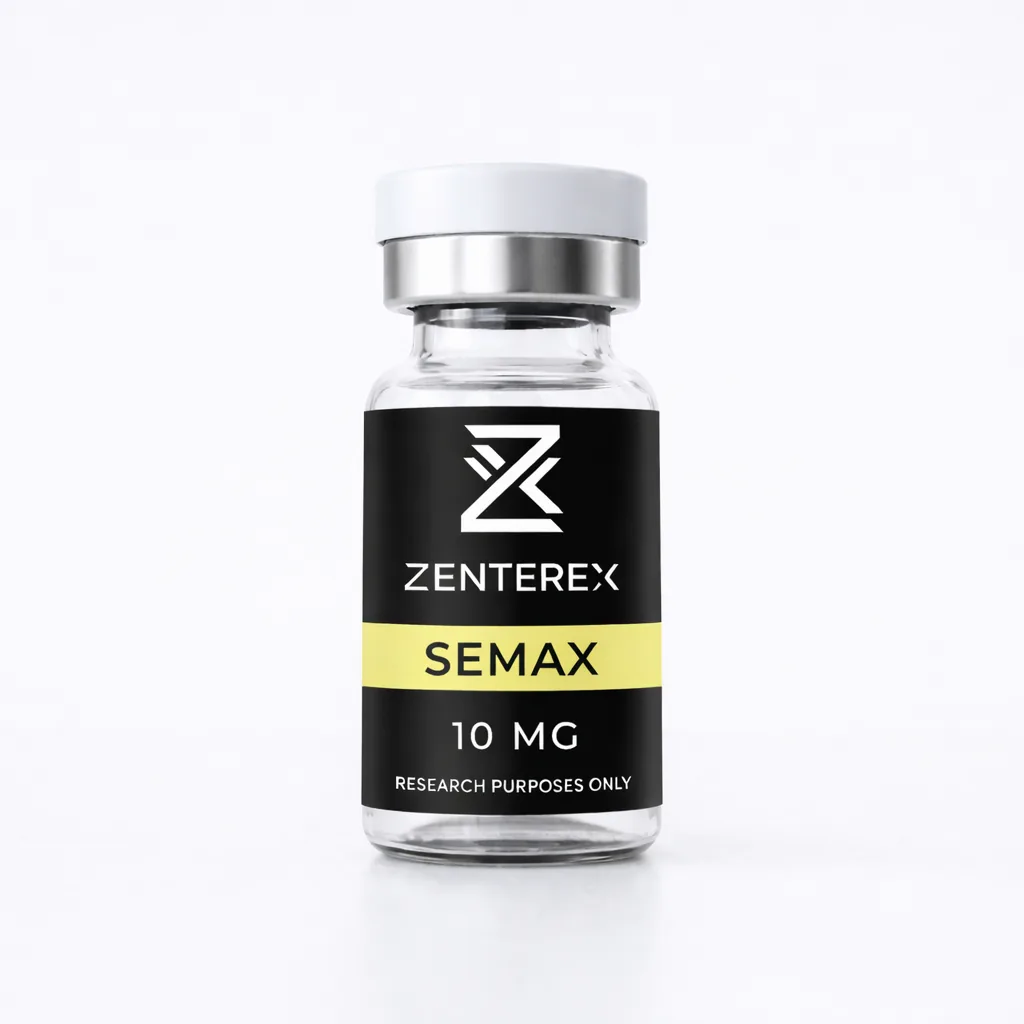
**Fragment relationships become clear.** Semax is described as a copy of the ACTH(4-10) fragment. Those numbers say exactly which beads of the parent that means. Notation like that only means anything if you know the parent sequence.
Where there is no sequence
Some compounds in our range have no sequence field. That is correct, not an omission.
NAD+, Methylene Blue and 5-Amino-1MQ are not peptides. They have no beads to put in order. For those, the formula does the identifying.
Proteins grown in cells are a different case again. IGF-1 LR3 is big enough that its weight is quoted in kilodaltons, and its identity is described by its changes from the parent rather than bead by bead.
Using it
Checking whether two listings mean the same compound? The sequence is the strongest test you have, short of running the analysis yourself. It beats the name.
Put it together with the CAS number and the molecular weight and there is very little room left for doubt.
Every peptide in our range carries its sequence, formula, molecular weight and CAS number on its product page. The batch reports test each batch against them.
Everything we sell is for lab research only. It is not a medicine, and it is not for people or animals to take.