
What Is Thymulin?
A nine amino acid peptide from the thymus that only works when zinc is present. What it is studied for, and why it is the least used compound in its group.
Thymulin is the least used compound in our recovery group, and the most specific.
What it is
Nine amino acids, originally found in the thymus. The thymus is a gland in your chest that trains immune cells when you are young, and shrinks as you age.
In older research it appears as FTS, from the French phrase it was first described under.
The zinc part
This is what makes it unusual. Thymulin only works when a zinc atom is bound to it.
Without zinc, the same nine amino acids are there in the same order. But the molecule does not fold into its working shape.
Think of a tent. All the fabric is present without the pole. It just is not a tent.
That has a practical consequence: anything that grabs zinc will interfere with it. Keep it away from chelating agents.
What it is studied for
Immune signalling. The main area, following from where it came from. Studies look at what happens to immune cell populations in culture.
The zinc chemistry itself. A separate body of work on how zinc binds and what changes when it does.
Inflammation. A third reported area, alongside the immune work.
Who uses it
People whose interest is specifically immune support rather than tissue repair.
It sits in the recovery group because immune signalling and repair overlap — inflammation is part of both — but it is not an injury compound. If you have a bad tendon, BPC-157 is your compound, not this.
Dosage
| Typical dose | 1 to 2 mg per day |
| Route | Under the skin |
| Cycle | 4 weeks, often run seasonally |
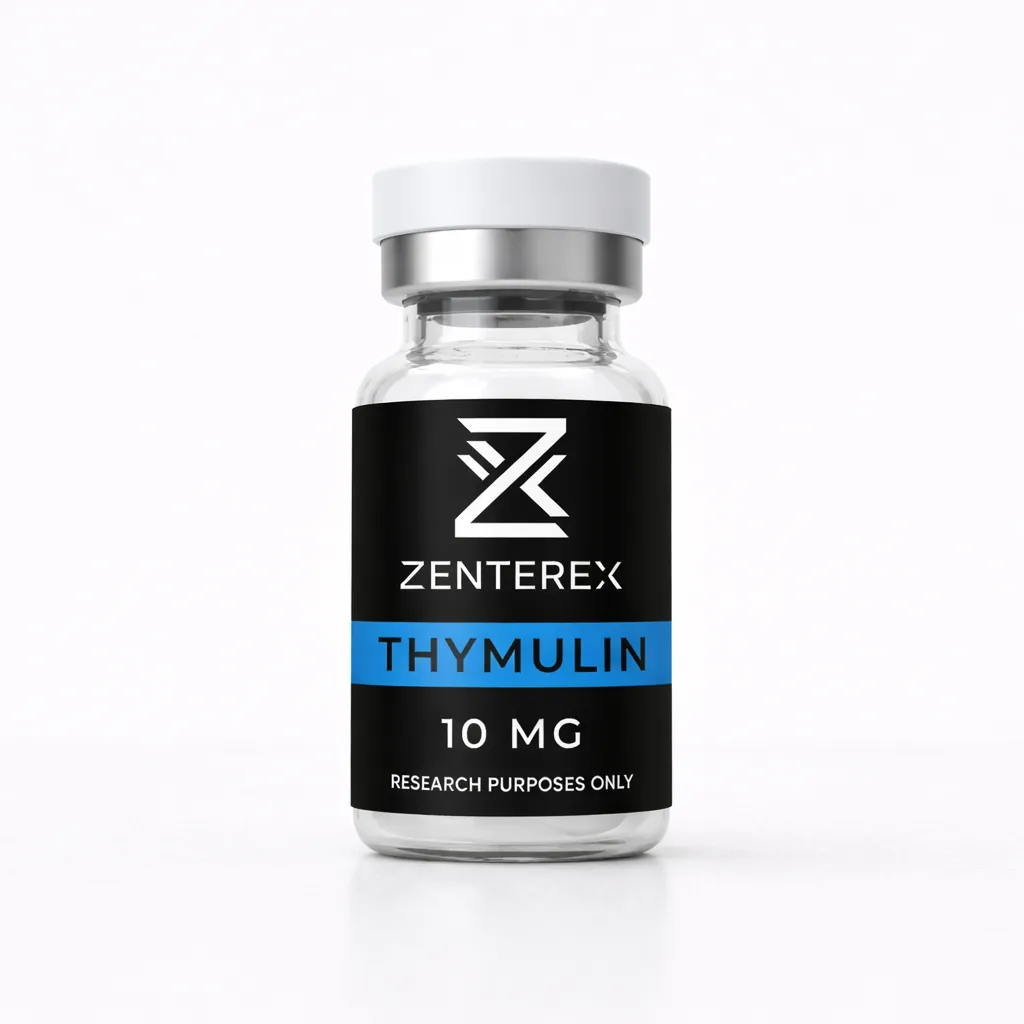
| Vial | 10mg |
Everything we sell is supplied for research purposes. It is not a medicine and it is not approved for medical use.