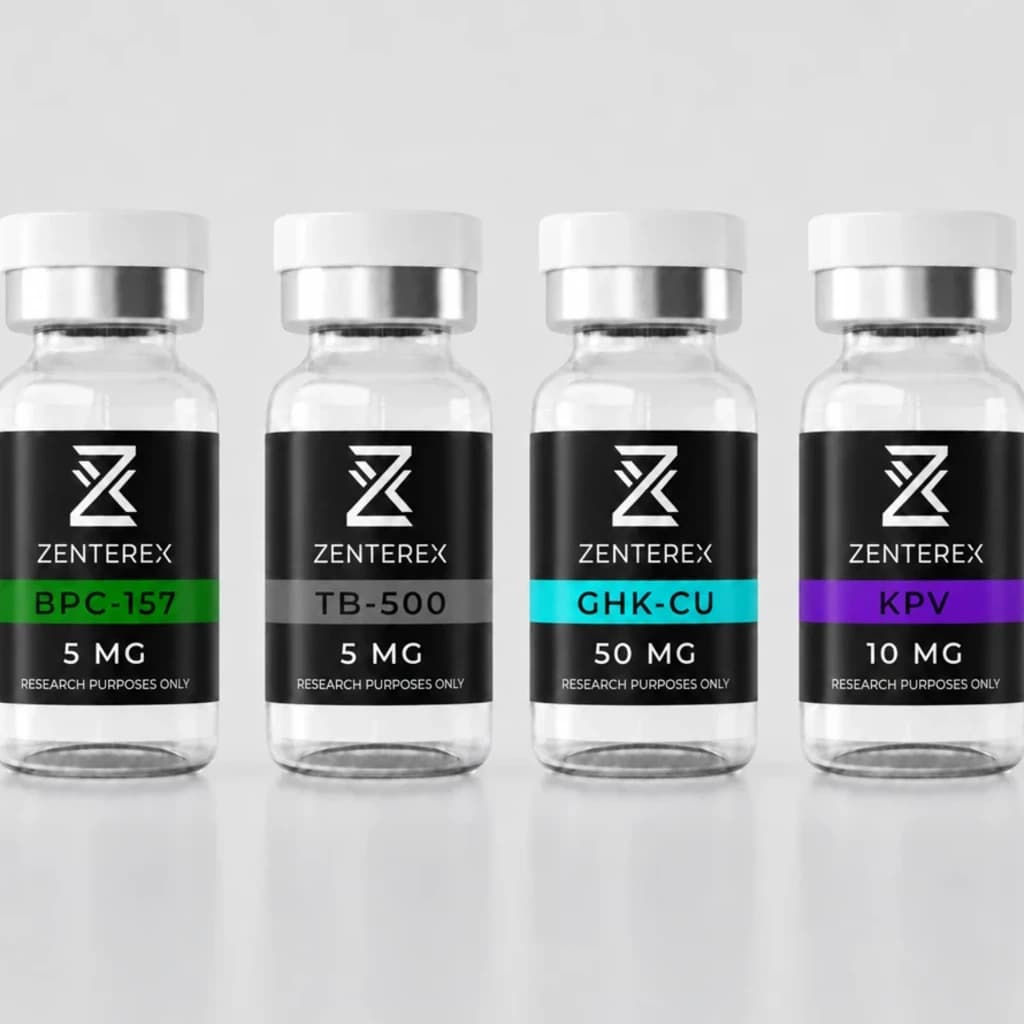


The Best Peptides for Recovery and Injury Repair
Which recovery peptide suits which injury. BPC-157, TB-500, GHK-Cu, KPV and Thymulin compared on what they do, how fast they work and what they cost.
If you are here because something has been hurting for months and is not getting better, the short answer is BPC-157. It is the one most people start with, and for tendon, ligament and gut problems it is the one with the most research behind it.
But "best" depends on what is actually wrong. Here is how to pick.
The short answer
| If the problem is | Start with | Why |
|---|---|---|
| Tendon, ligament, old injury | BPC-157 | The most researched, and works on blood supply, which is what slow-healing tissue lacks |
| Widespread or hard to pinpoint | TB-500 | Travels through the body rather than acting where you put it |
| Skin, scars, hair, collagen | GHK-Cu | Copper peptide, the one with cosmetic research behind it |
| Gut inflammation | KPV | Small, anti-inflammatory, reaches the gut lining |
| Immune support alongside repair | Thymulin | The least common of the five, immune-focused |
Most people run BPC-157 and TB-500 together. That pairing covers both the local repair and the whole-body side. It is the most ordered combination we sell.
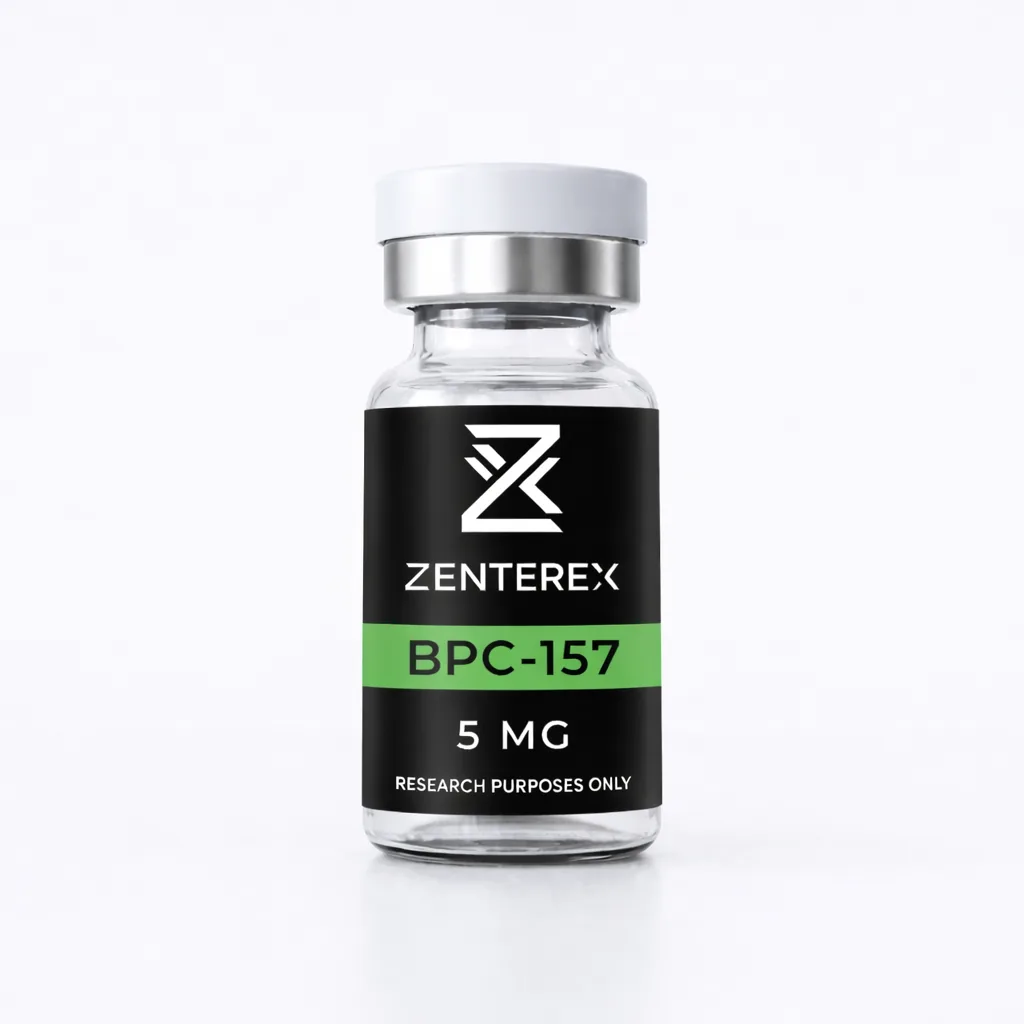
BPC-157 — the default choice
BPC-157 is a 15 amino acid peptide copied from a protein in human gastric juice. It is the most widely used recovery peptide in the world and has around 30 years of published animal research behind it.
What it is best at. Tendons and ligaments. These heal badly on their own because they have almost no blood supply. That is why a tendon problem can drag on for a year while a cut heals in a week. BPC-157 works on exactly that bottleneck: it promotes new blood vessel growth into damaged tissue.
Typical use. 250 to 500 mcg per day, injected under the skin as close to the injury as is practical. 4 to 6 weeks for something fresh, 8 to 12 weeks for something chronic.
When people notice it. Usually weeks two to three, and usually as "that thing has stopped flaring up" rather than a sudden change.
It is also the only peptide here that survives stomach acid. So it can be taken orally for gut problems and still reach the intestinal lining intact.
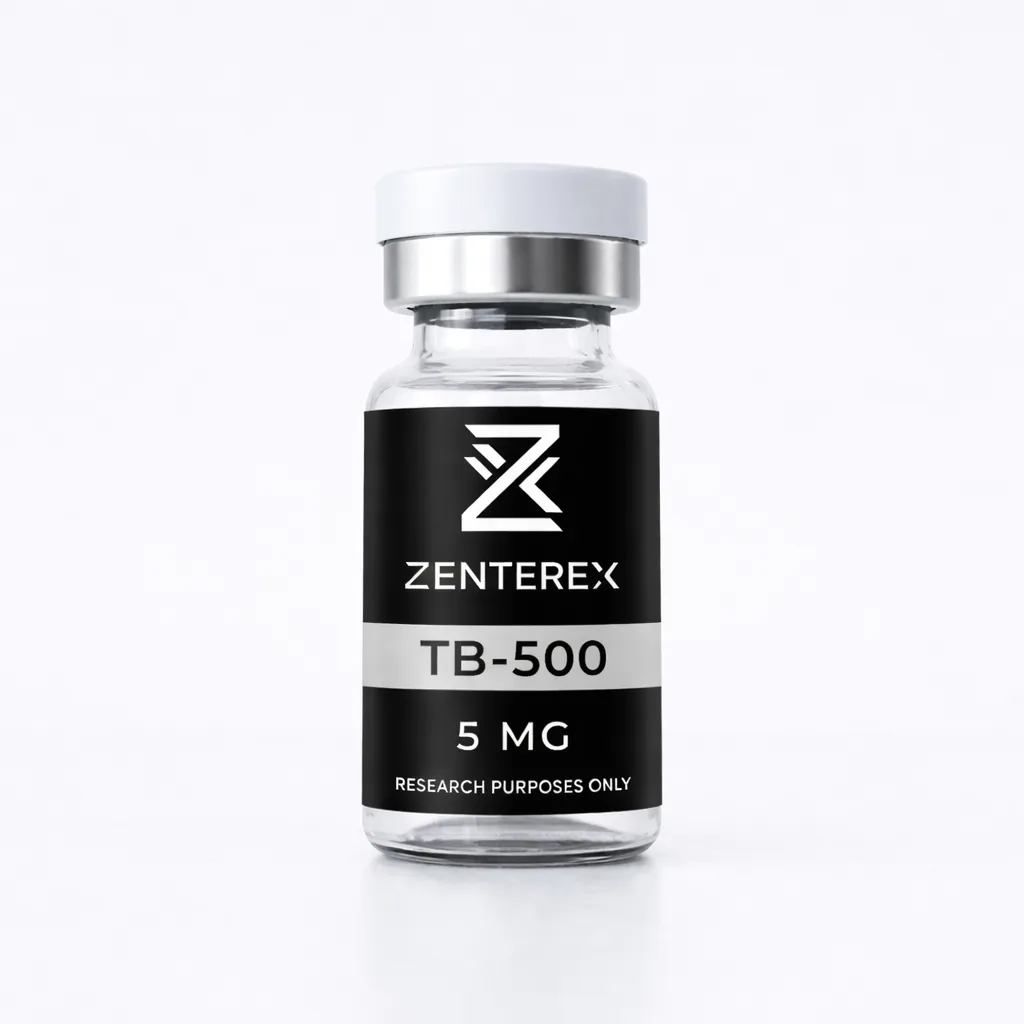
TB-500 — for when it is not one spot
TB-500 copies part of a protein called thymosin beta-4. Where BPC-157 works mainly on blood supply, TB-500 works on cell movement. It helps the cells that do the repairing physically get to where the damage is.
The practical difference is reach. BPC-157 is usually injected near the problem. TB-500 spreads through the body, which makes it the better pick when the issue is widespread, hard to locate, or in a spot you cannot reasonably inject near.
Typical use. 2 to 2.5 mg twice a week for 4 to 6 weeks, then a lower maintenance dose. It is dosed far less often than BPC-157 because it stays around much longer.
Our full BPC-157 vs TB-500 comparison covers the differences properly.
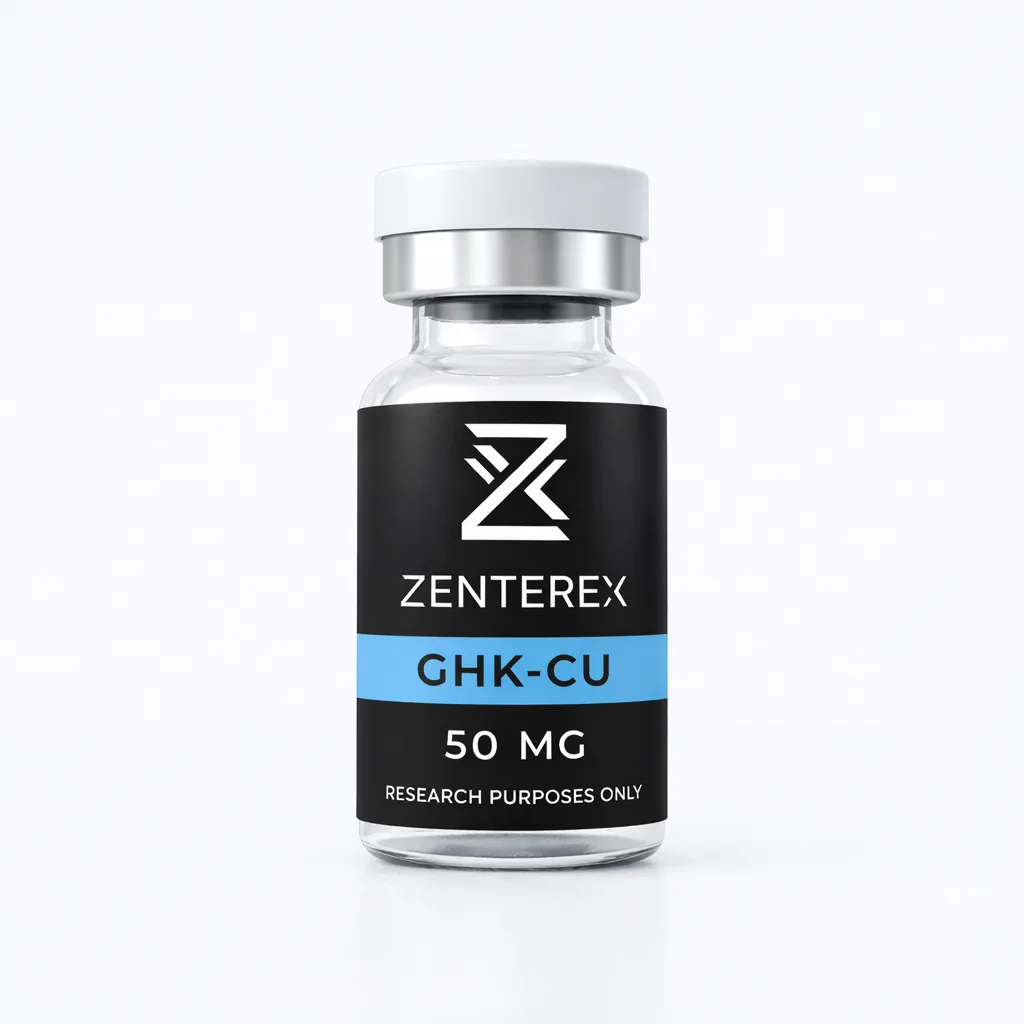
GHK-Cu — skin, scars and collagen
GHK-Cu is a three amino acid peptide wrapped around a copper atom. It is the compound behind every "copper peptide" serum on the shelf. It is the one to reach for if the goal is cosmetic rather than structural.
It is studied for collagen production, skin firmness, scar appearance and hair. It comes as a blue powder, because copper compounds of this kind are blue. That is normal, not a fault.
Worth knowing. It can be used on the skin as well as injected, which none of the others here can.
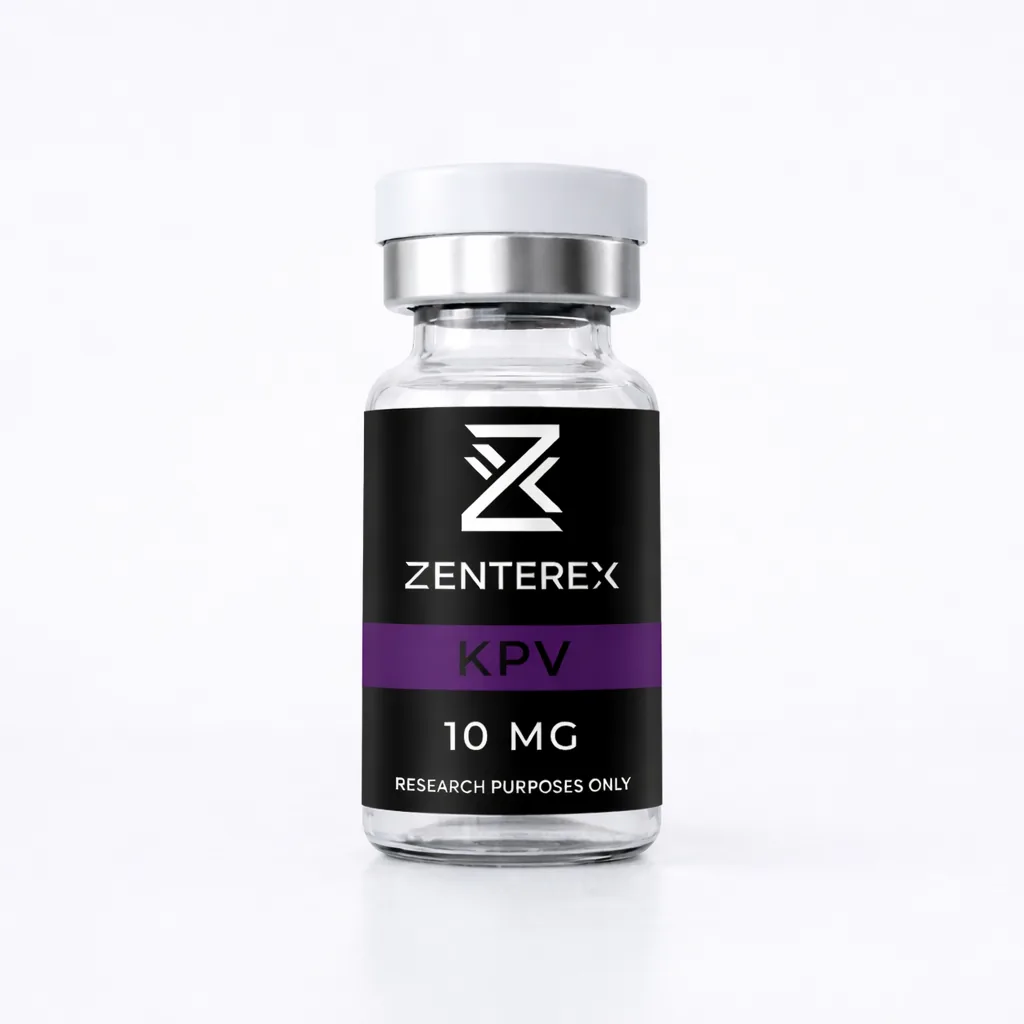
KPV — the gut and inflammation one
KPV is three amino acids, the tail end of a hormone called alpha-MSH. It is the smallest thing we sell and the most narrowly focused: inflammation, particularly in the gut.
People generally come to KPV after BPC-157, either because they want to push harder on gut symptoms or because they want an anti-inflammatory that is not an NSAID.
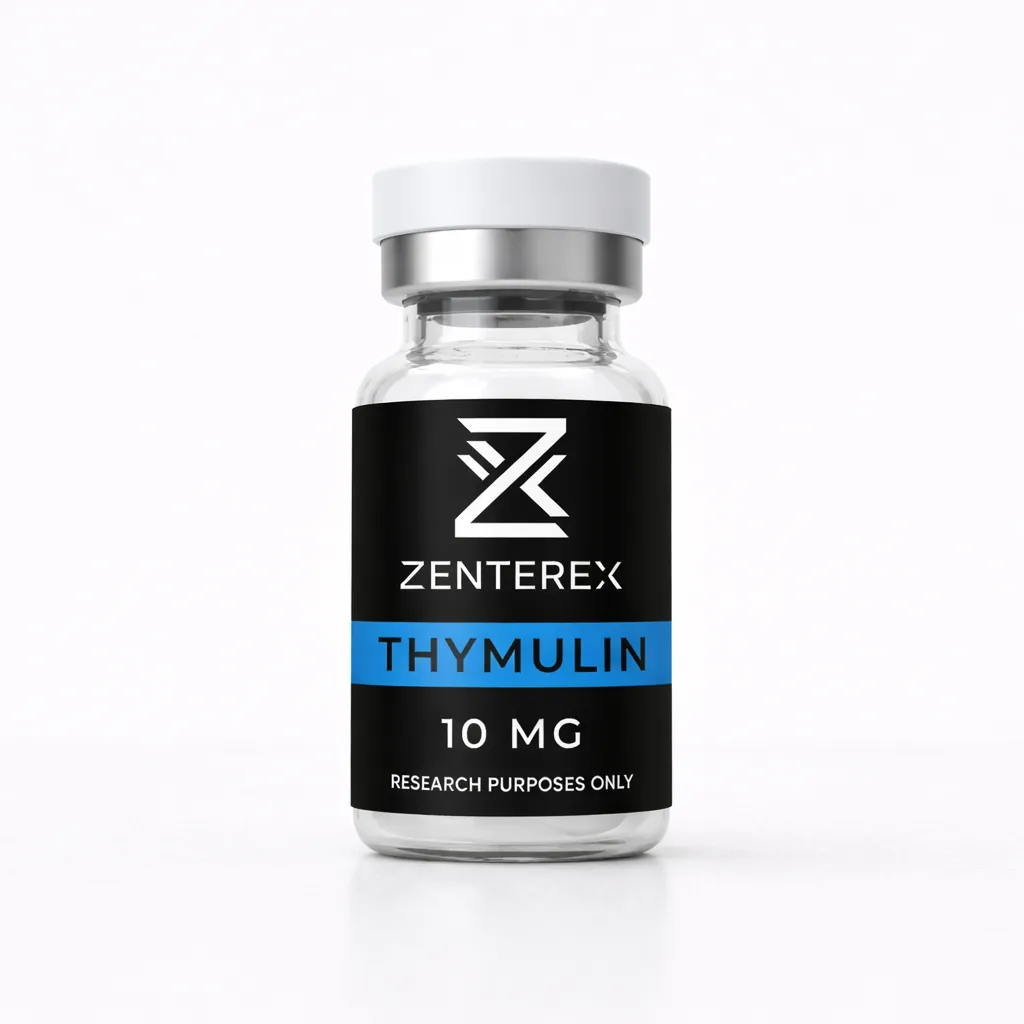
Thymulin — the outlier
Thymulin is a nine amino acid peptide originally found in the thymus, the gland that trains your immune cells. It sits in the recovery group because immune signalling and tissue repair overlap.
Pick it if immune support is specifically what you are after.
What to run together
The standard recovery stack is BPC-157 and TB-500. They work by different mechanisms — blood supply and cell movement — so they complement rather than duplicate each other. Add GHK-Cu if skin or scarring matters to you.
All four come together in our recovery bundle, which is cheaper than buying them separately.
What to expect
The usual pattern across all five is:
- Week 1 — the groundwork, before anything shows.
- Weeks 2 to 3 — the first real change, usually reduced background ache.
- Weeks 4 to 6 — the clearest improvement, and where most people decide whether to continue.
- Weeks 8 to 12 — for chronic problems, where the structural change shows up.
The research behind these compounds is consistent, it goes back decades. The safety record is clean everywhere it has been looked at.
Before you order
Every batch we sell is tested by an independent lab. The certificate is published with a code you can check on that lab's own site. That matters more in this market than in most, because purity is invisible. You cannot tell a good vial from a bad one by looking.
Our beginner's guide covers reconstitution, syringes and storage if this is your first order.
Everything we sell is supplied for research purposes. It is not a medicine and it is not approved for medical use.