
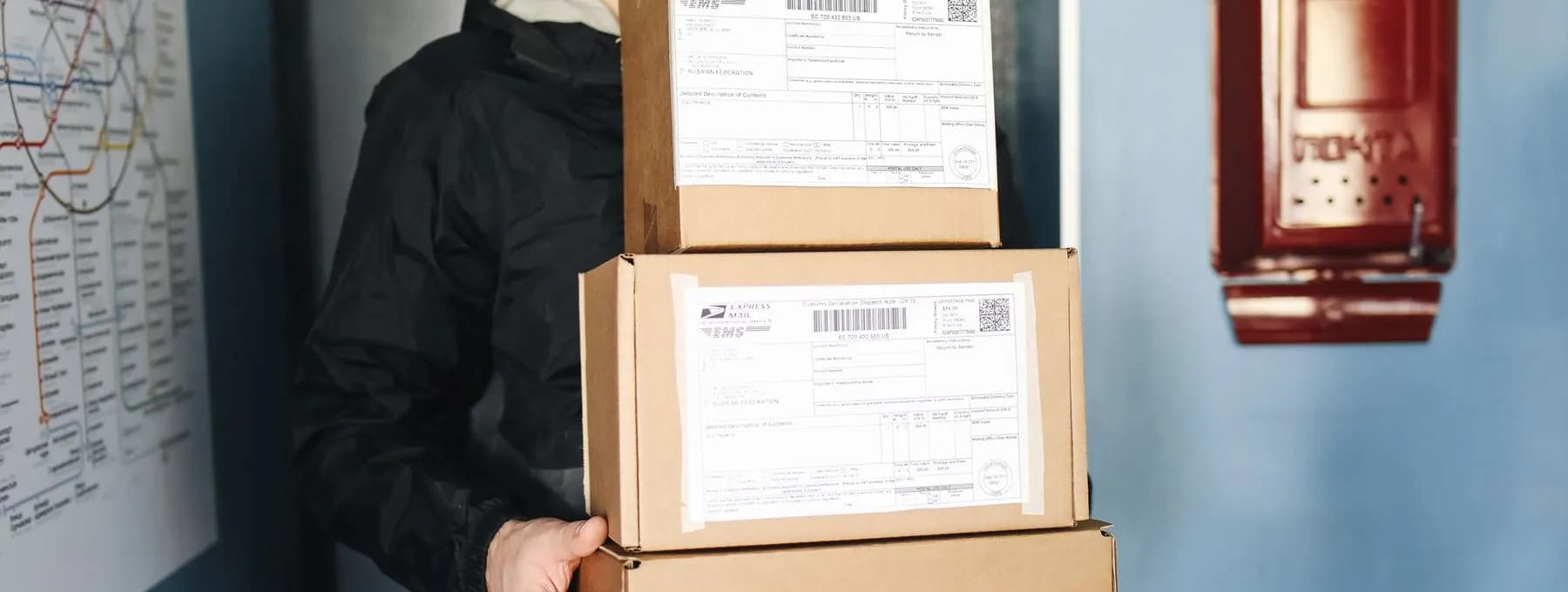
What Arrives in the Box
A walk through the parcel: the packaging, the vial, what the label tells you, what the powder should look like, and the one thing worth flagging to us.
Most of the questions we get after delivery are about whether something looks right. Here is the whole parcel, described plainly, so you can tell.
The outer packaging
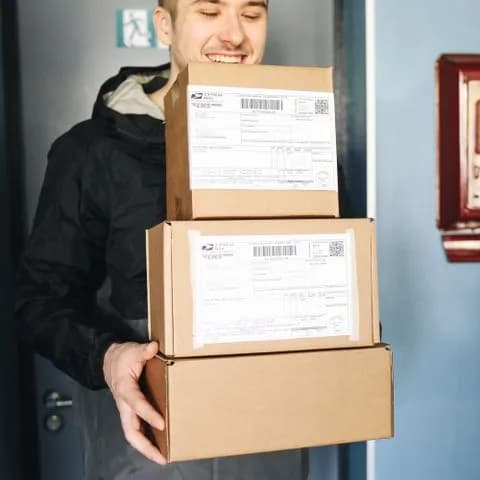
Plain and unbranded. Nothing on the outside shows what is inside or who it came from. That is deliberate and standard.
Padded and insulated. Protects the glass, and shields it from light and temperature swings in transit.
**No ice packs**, and that is correct rather than an oversight. Freeze-dried powder is stable at room temperature for the length of a normal delivery, because the water has already been removed. Our note on shipping explains the reasoning.
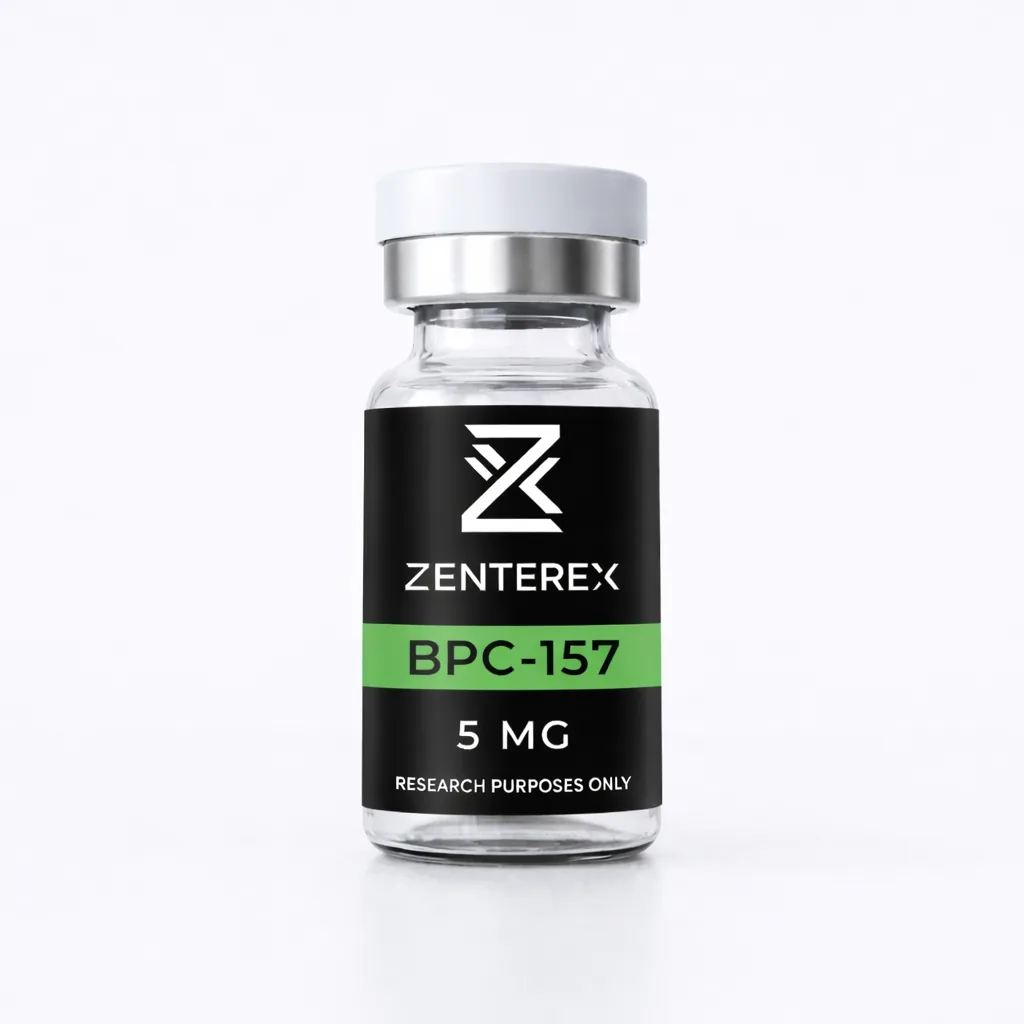
The vial
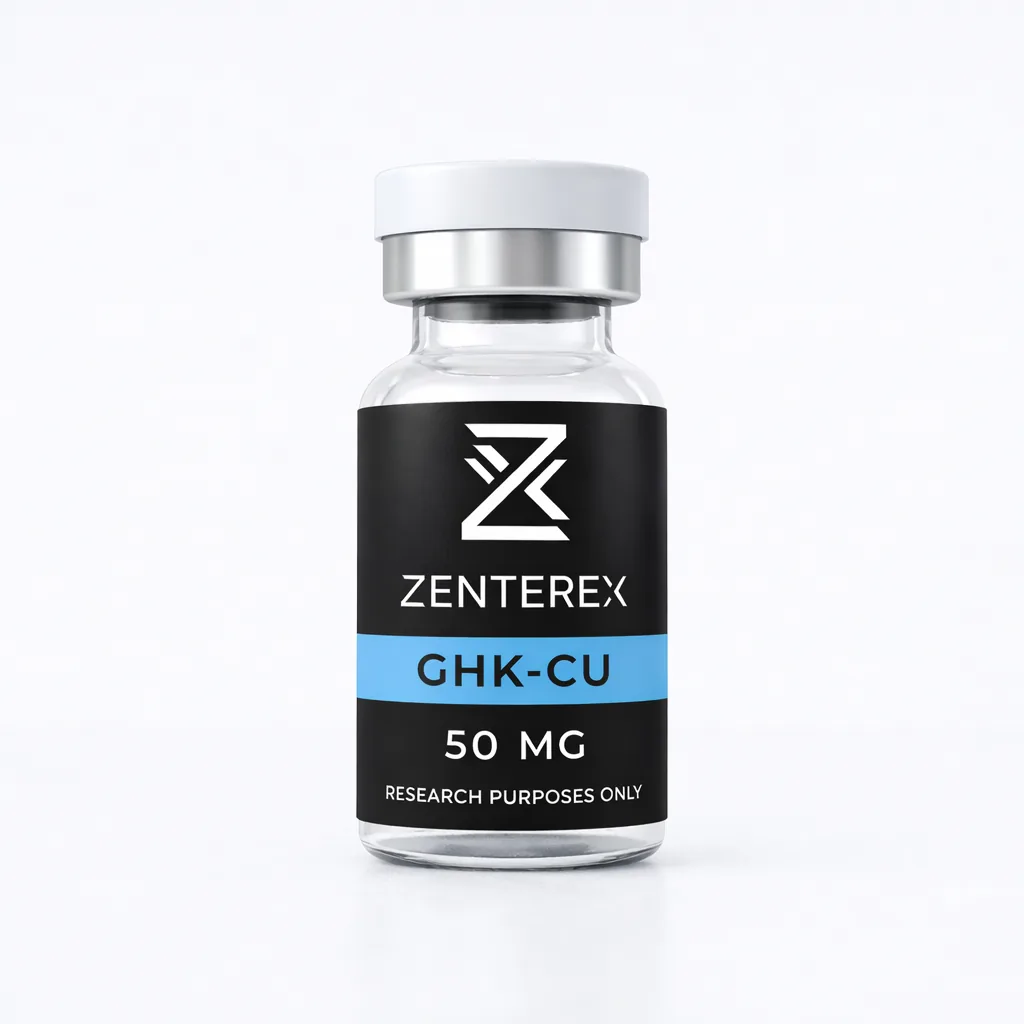
A small clear glass vial, a rubber seal, a crimped metal cap.
Do not remove the metal cap. You draw liquid through the rubber seal with a needle. The cap is what keeps the seal in place.
The vials are smaller than most people expect. A 5mg fill sits in a vial you could lose in a pocket.
The label
Three things on it, and one of them matters more than the others.
The compound name and quantity, for instance BPC-157 5mg.
The batch number. This is the important one. It identifies the specific production run your vial came from. It is what lets you look up the independent lab report for your material rather than a general specification. Write it down before you do anything else.
Research-use wording, which is the legal basis on which it is supplied.
The powder
The commonest source of worry, so plainly:
**It may look like almost nothing.** A 1mg fill of IGF-1 LR3 can be a barely visible film on the glass. People regularly assume the vial is empty. It is not, freeze-dried material takes up very little space.
It may have moved. Powder that has shifted to the shoulder or the cap in transit is the same powder.
Its form varies. A firm disc, a loose powder, or a thin coating. All normal, depending on the fill and how that compound freeze-dries.
**GHK-Cu is blue.** It contains copper. Blue is correct.
Do not open it to check. There is nothing to learn by looking. Opening lets moist air in, the one thing most likely to damage it.
What appearance does and does not tell you
It tells you essentially nothing about quality.
Whether the vial contains the right compound, and how pure it is, comes from the batch report, tested by an independent lab. That is the whole reason we publish per batch rather than asking you to judge by eye.
**One exception worth flagging.** If the cake has visibly **collapsed, shrunk or gone glassy**, that can mean the vial warmed up significantly somewhere in transit. Tell us if you see it.
First four things to do
- 1.Note the batch numbers from every label.
- 2.**Match them to the reports**, and verify each one using the code at the bottom of the report on the issuing lab's own site. How to do that.
- 3.Get them into the freezer, minus 20 degrees Celsius, dark, in a box rather than loose.
- 4.Leave them sealed until you actually need them.
That last one is worth stressing. Dry powder keeps for months to years. Once dissolved you are down to days or weeks. There is no benefit to opening anything early.
If something is wrong
Contact us with your order number and the batch number from the label. We answer within 24 hours, Monday to Saturday, and there is a person on the other end.
Once the vials are stored, our first-order guide covers what comes next.