
Why Are Research Peptides Supplied as Lyophilised Powder?
Freeze-drying takes out the water that breaks peptides down. Why research peptides ship as a dry cake instead of a liquid.
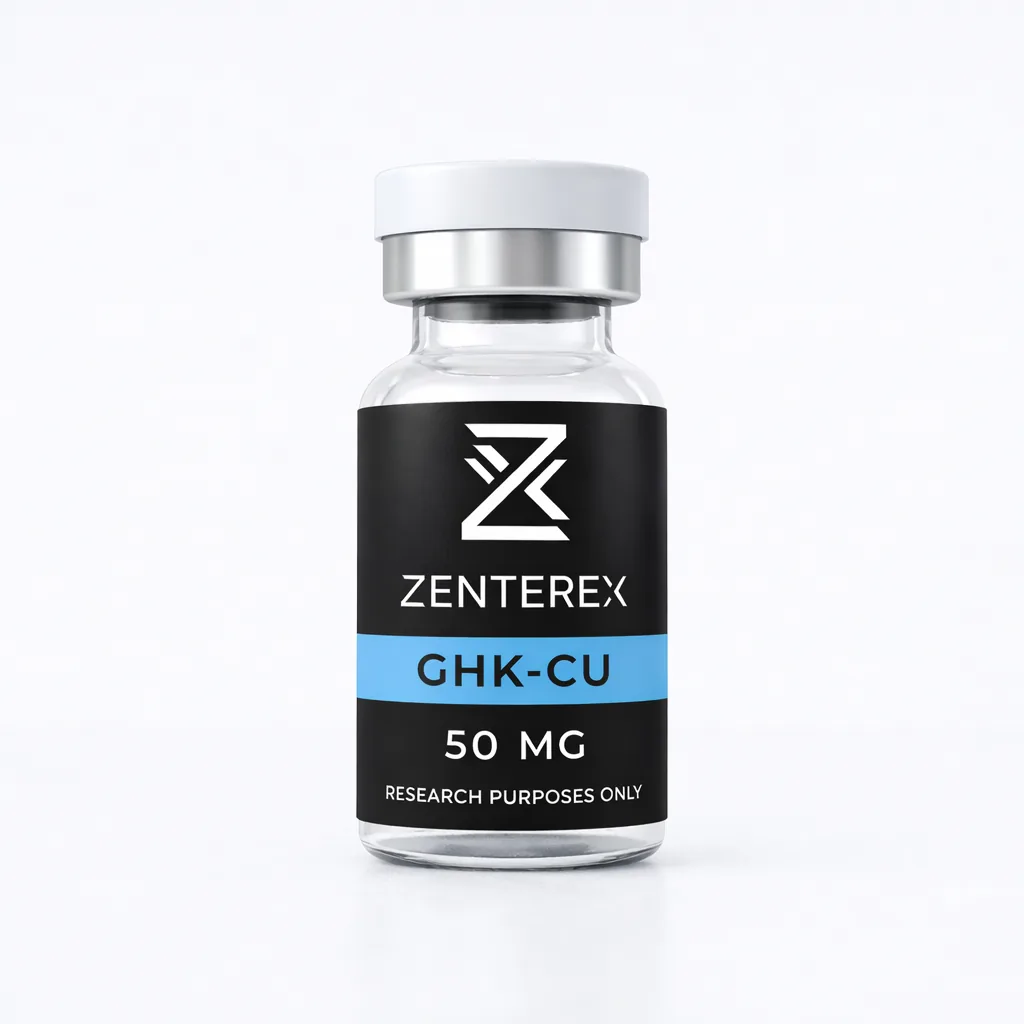
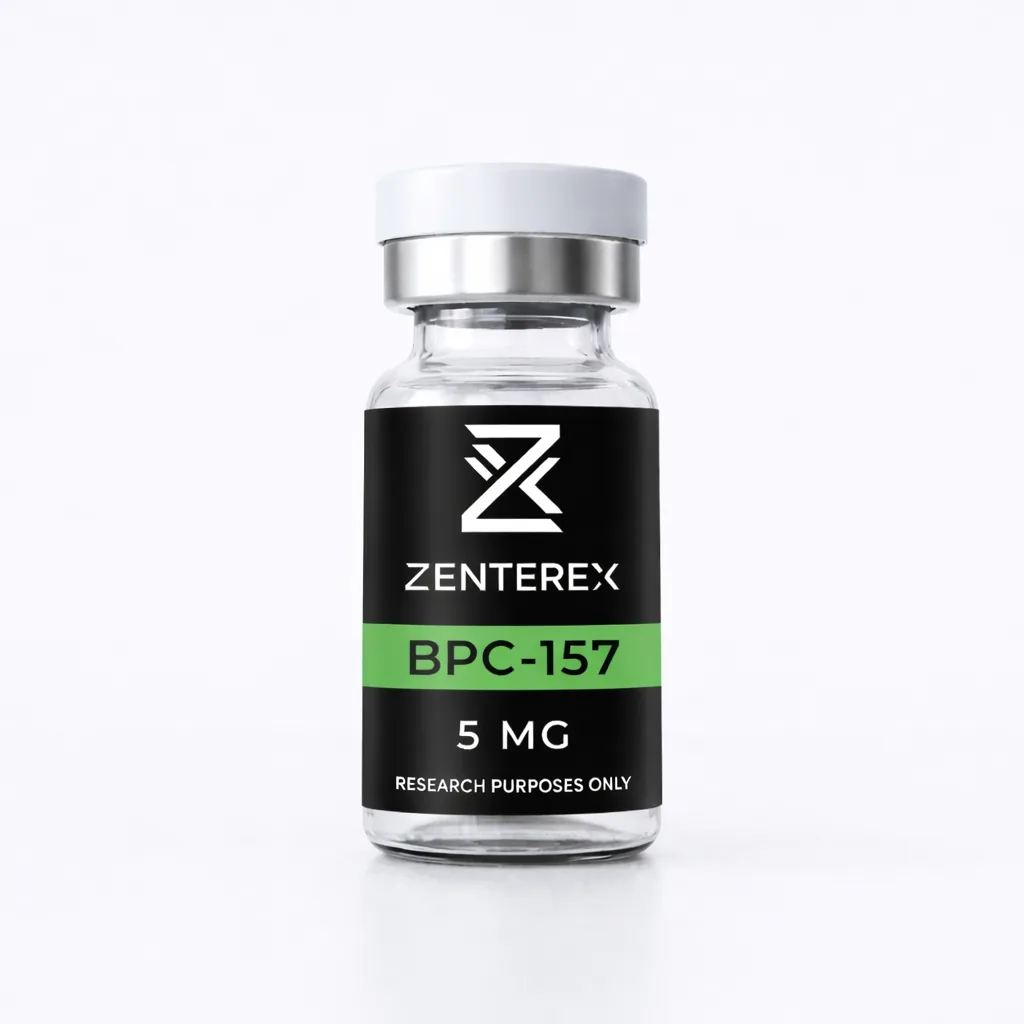
Open any vial in our range and you find a small white cake, or a fine powder. Not a liquid.
That is freeze-dried material. It is not a packaging convenience. It is the biggest single factor in whether a peptide arrives in the condition its certificate describes.
What freeze-drying is
Freeze-drying, sometimes called lyophilisation, works like this.
The peptide is dissolved, then frozen. Then it is held under a vacuum, so the ice turns straight into vapour without melting first. What is left is a dry, porous cake of the compound.
Why not just heat it dry? Because heating would concentrate the liquid as it went, exposing the peptide to rising amounts of whatever acid or salt was in there, and to heat as well. Going straight from ice to vapour avoids both.
Water is what does the damage
Most of the ways a peptide falls apart need water to take part.
- The chain gets cut, which shortens it.
- Certain beads change their chemistry, which changes the molecule's weight and charge.
- Others oxidise, and that runs faster in liquid where dissolved oxygen can move about.
Taking the water out does not make a peptide inert. But it removes the ingredient several of the main damage routes depend on. And it slows the rest down, because the molecules can no longer move.
That is why storage for a freeze-dried compound is measured in months or years, while the same compound in liquid is published in days or weeks.
What follows from it
Three things, and all three show up in our paperwork.
The post becomes survivable. A dry cake copes with the temperature swings of ordinary shipping far better than a liquid would. That is what makes international dispatch realistic at all.
**Storage is simple.** The published condition for most of our range is minus 20 degrees Celsius, away from light. See our glossary for the terms used on each product page.
You choose the solvent. A dry powder can be dissolved into whatever buffer your test needs, at whatever strength you want. Shipping it as a liquid would fix both choices at the factory.
What the cake looks like
A freeze-dried cake looks different from compound to compound and from batch to batch. It may be a firm disc, a loose powder, or a thin film on the side of the glass. Small fills can be nearly invisible. A 1mg fill of IGF-1 LR3 is genuinely hard to spot.
None of that means anything is wrong. What the cake looks like depends on the fill volume, the freezing profile and the compound itself. What it is, and how pure it is, come from the batch analysis. Not from looking.
The cake shifting about in the post is normal too. Powder that has moved to the shoulder or the cap is the same powder.
Why it matters for the paperwork
The purity figure on a certificate describes the material at the moment it was tested.
The freeze-dried format is what keeps that figure meaningful by the time the vial reaches your bench. That is the whole reason we publish batch reports rather than one general specification.
Everything we sell is for lab research only. It is not a medicine, and it is not for people or animals to take.