
Choosing a Reconstitution Solvent
Water, acetic acid, ammonium bicarbonate or DMSO. How the choice follows from a peptide's charge and greasiness, and why the published figure comes first.
A peptide that will not dissolve is the commonest practical problem in this field.
It is almost never a quality problem. It is a solvent problem. And because it follows from the molecule's own chemistry, you can usually predict it in advance.
Start with the published figure
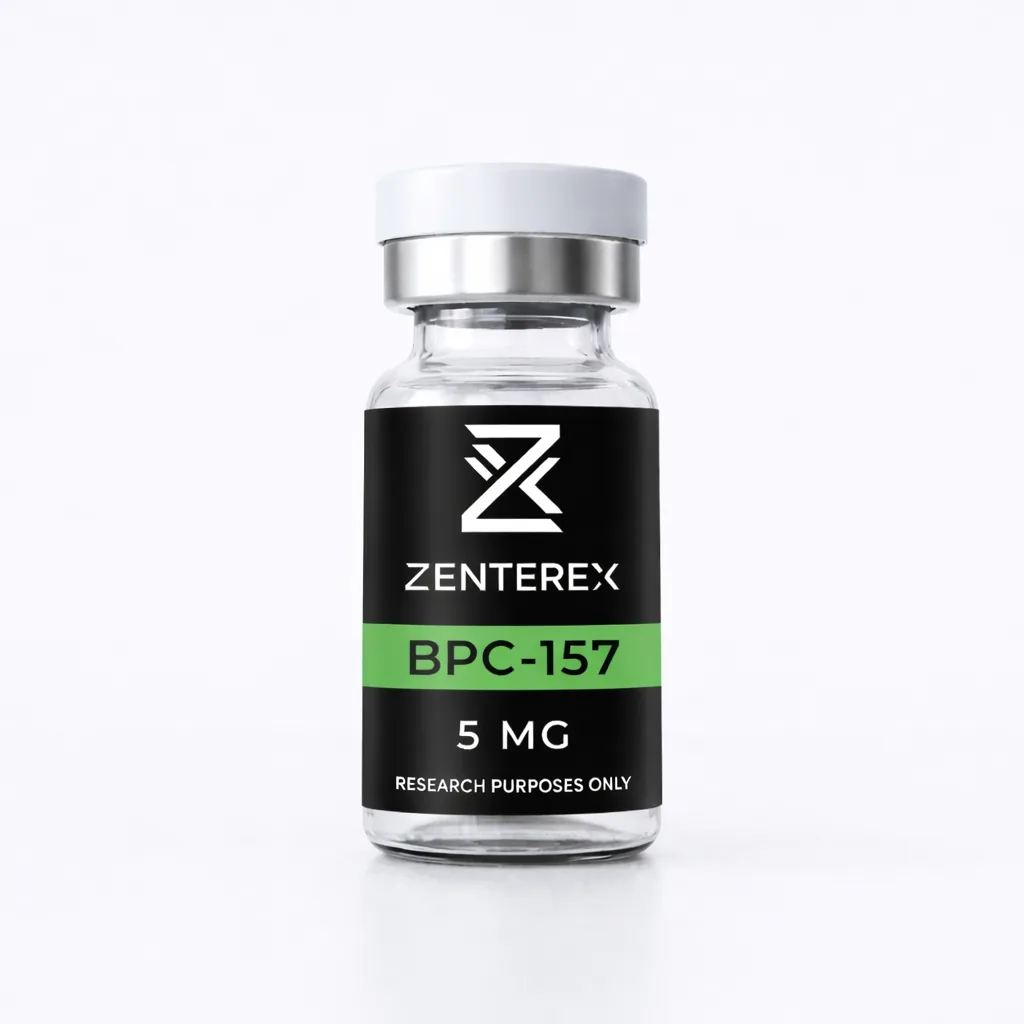
Every product page in our range carries a published solubility: a solvent, and a strength at which the material has been seen to dissolve. For BPC-157 that is water at 1 mg/mL.
That figure is your starting point. Two things about it are worth saying.
It is a published observation, not a maximum. It records a condition under which the compound was seen to dissolve.
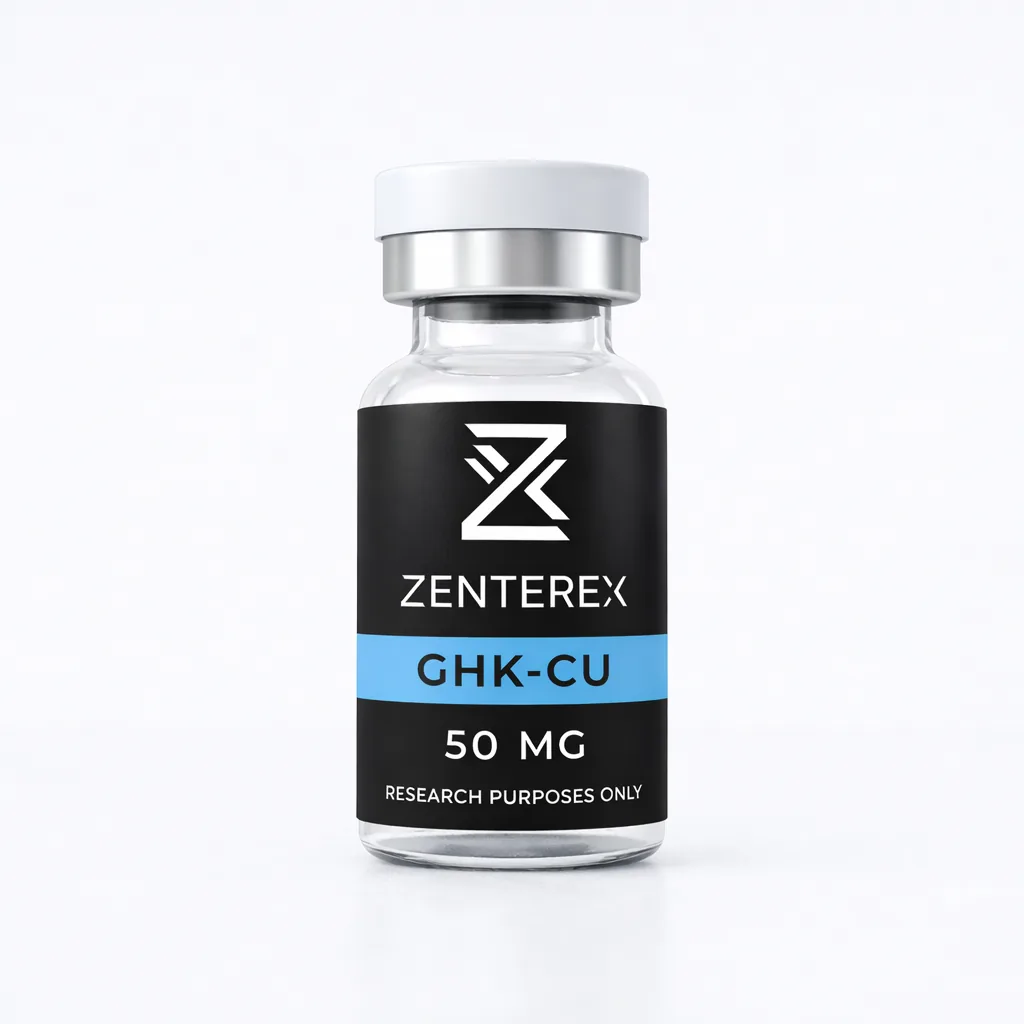
It is **specific to that compound**. The figure for one peptide in a group tells you nothing about another in the same group. GHK-Cu and BPC-157 sit in the same group and behave quite differently.
Why solubility varies
Two properties of the molecule decide it.
Net charge. Peptides carry charge on their basic beads (lysine, arginine, histidine) and their acidic beads (aspartate, glutamate). A molecule with plenty of charge at the solvent's pH gets on well with water.
A molecule sitting at its isoelectric point, where positive and negative cancel out, is at its least soluble. That is the most useful predictor you have.
Greasiness. Sequences full of leucine, isoleucine, valine and phenylalanine repel water. That same greasiness makes a molecule cling to a chromatography column. So a compound that comes off the column late is often one that dissolves reluctantly.
The ladder, in order
Start with the gentlest solvent that works.
**Sterile or bacteriostatic water.** The default, and enough for most of our range. Bacteriostatic water has a little benzyl alcohol in it, which stops bacteria breeding in a vial you open repeatedly. That matters if you will draw from a stock again and again. If you dissolve and split straight into portions, sterile water is just as good.
Dilute acetic acid, usually about 0.1 percent, for peptides that are net basic. Lowering the pH puts more positive charge on the basic beads, which improves the grip water can get. This is the standard next step when plain water fails.
Dilute ammonium bicarbonate or ammonium hydroxide, for peptides that are net acidic. Same logic, opposite direction. Raising the pH gives the acidic beads their negative charge.
DMSO, for really greasy compounds that refuse everything above. It dissolves a great deal, which is exactly the problem. It is a last option, not a convenient first one, for the reasons below.
The general move: dissolve in the smallest volume of the harsher solvent you can, then dilute into your assay buffer.
Where the caution belongs
Three points.
DMSO is not neutral. It has published effects on cells at strengths well below where it becomes obvious. So anything dissolved in DMSO needs a vehicle control at the same final strength. Without one you cannot say the effect came from the compound.
Extremes of pH cost you stability. Acid and base both speed up several kinds of damage. Dissolving at low pH and then diluting into a neutral buffer keeps that spell short.
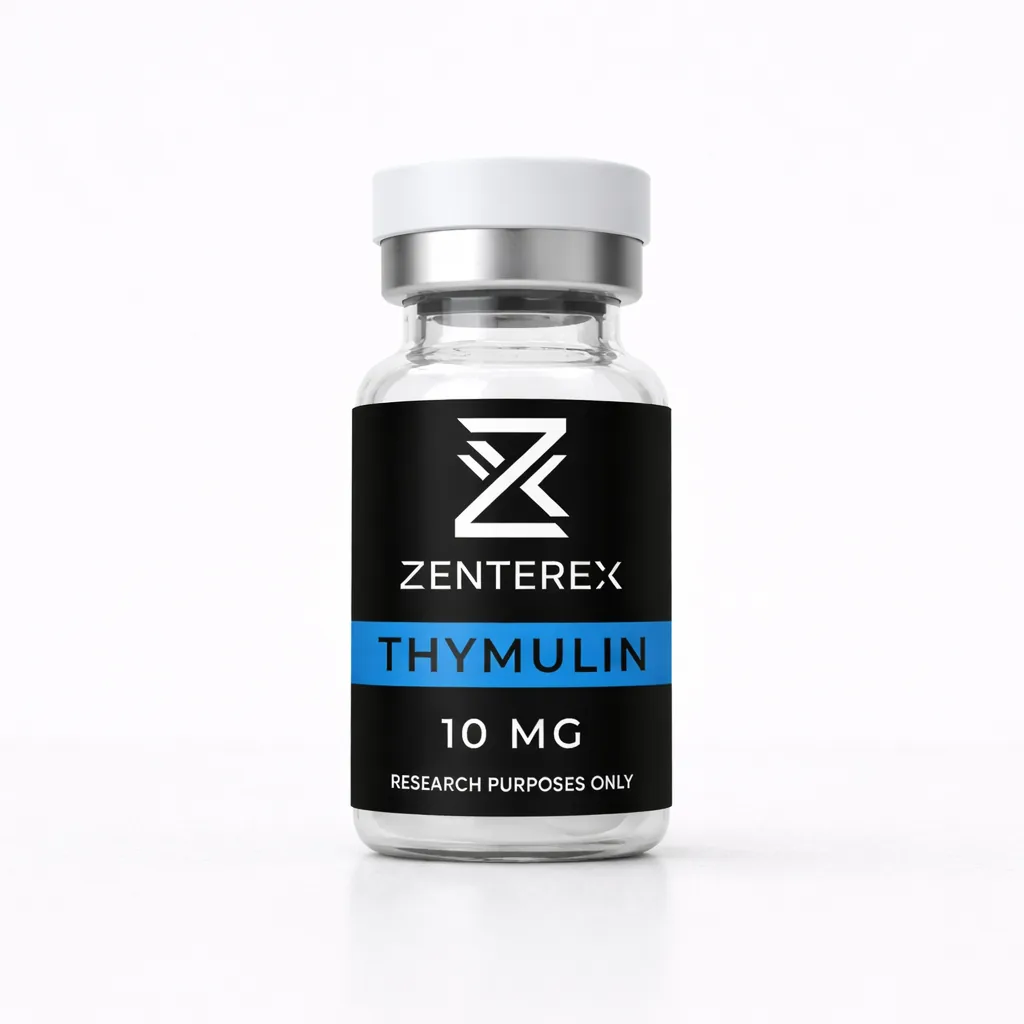
**Metal-based compounds have an extra rule.** GHK-Cu needs its copper and Thymulin needs its zinc. A buffer containing a chelator such as EDTA competes for that metal and usually wins. That is a constraint that simply does not arise for most peptides.
Technique
Small details, outsized effect.
Let the vial reach room temperature before you open it, so damp room air does not condense onto powder that was dried on purpose. Run the solvent down the vial wall rather than onto the cake.
Swirl, do not shake. Hard mixing creates surfaces where liquid meets air. Peptides unravel at those surfaces, and unravelled molecules clump. It is the same damage that freeze-thaw cycling does.
Give it time. A cake that has not dissolved in thirty seconds has often dissolved in ten minutes at room temperature.
Work out the volume before you start, from the vial weight and the strength you want. Our calculator does the arithmetic, and getting it right first time saves you having to throw material away.
Write it down
Solvent, strength and batch number belong in the record together.
Solvent choice is an experimental variable in its own right. A result from a DMSO stock is not directly comparable with one from a water stock, even at exactly the same peptide strength.
Batch analysis for our range is published.
Everything we sell is for lab research only. It is not a medicine, and it is not for people or animals to take.