
Aliquoting Protocols and Freeze-Thaw Cycles
Freezing and thawing the same stock over and over is one of the best-documented ways to wreck a peptide. Why splitting it up fixes that.
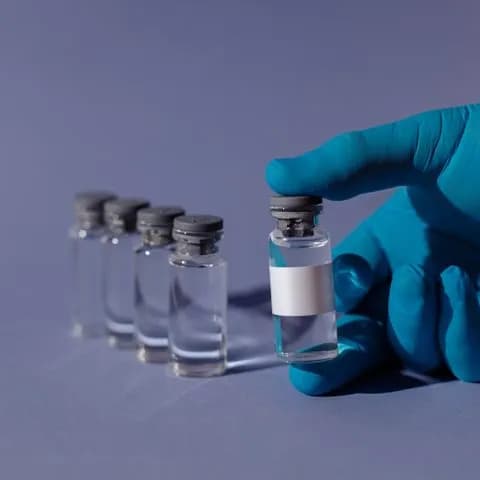
Once you add liquid to a freeze-dried peptide, the protection freeze-drying gave it is gone. From that point the published stability is measured in days or weeks, not months.
The main avoidable damage after that comes from freezing and thawing the same stock again and again. Splitting it into portions is the standard answer.
Why cycling is worse than just being cold
A peptide solution sitting steadily at minus 20 degrees Celsius is in reasonable shape. The same solution frozen and thawed twenty times is not.
The damage happens during the changeovers, not at either temperature.
Three routes are published.
Everything gets concentrated. Water freezes out as pure ice. So whatever was dissolved in it gets squeezed into a shrinking pocket of liquid that has not frozen yet.
Think of a puddle freezing over. The grit does not freeze. It just gets pushed into whatever water is left.
A solution that started at a sensible pH and salt level can, in that last pocket, hit strengths and pH values well outside its own specification. The peptide sits through that on every cycle.
Ice-water boundaries. Peptides stick to the surfaces between ice crystals and liquid. Sticking to a surface can unravel a molecule, and unravelled molecules clump.
Clumping does not undo. Once molecules have clumped together, thawing does not reliably put them back. Material lost that way is gone from the working strength, even though the vial still contains it.
The compounding is what catches people out. Each cycle costs a little. A stock used weekly across a project has been through far more changeovers than the published stability figure assumed.
The idea behind splitting it up
Divide the dissolved stock, once, into single-use portions. Freeze them. Thaw one per experiment and throw away whatever is left of it.
Then every portion goes through exactly one freeze and one thaw, however long the project runs.
The number of cycles stops growing with the number of experiments. That is the entire point.
A scheme that works
The specifics belong to your assay, but the shape is always the same.
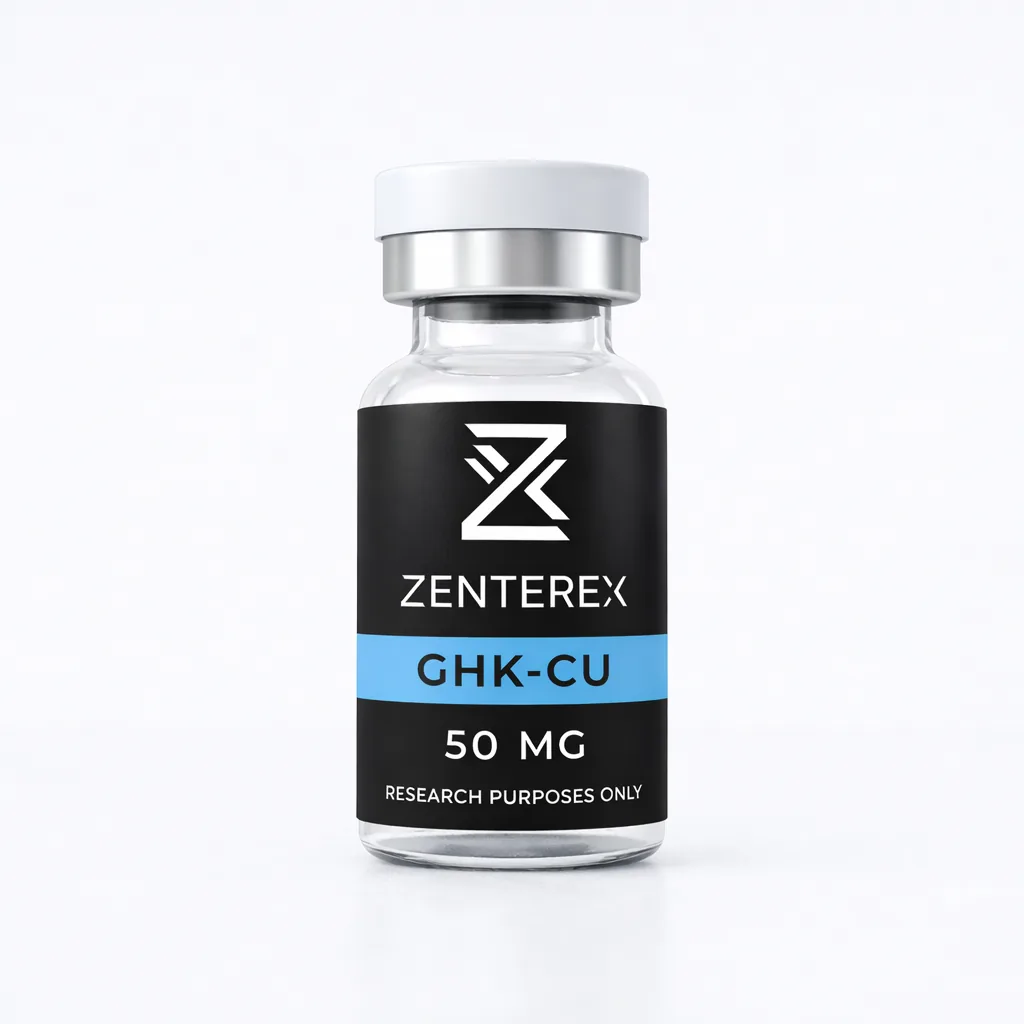
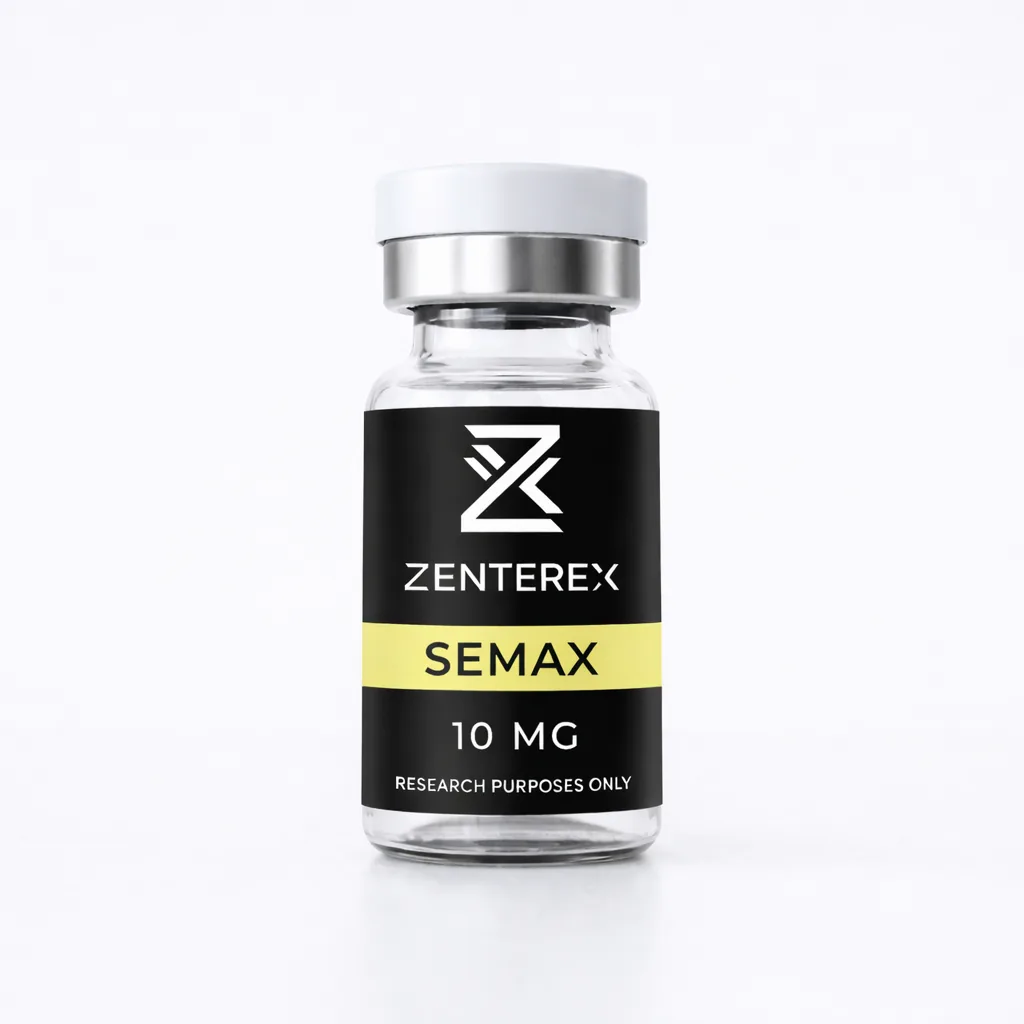
**Dissolve once, at a known strength.** Work out the volume you need before you open the vial. Our calculator does the arithmetic from the vial weight and the strength you want.
Let the vial warm up first. Opening a cold vial pulls in damp room air, which condenses onto powder that was dried on purpose. That goes for the original vial and for frozen portions alike.
Add the liquid gently. Run it down the vial wall rather than onto the cake. Let it dissolve rather than forcing it. Hard shaking creates air-liquid surfaces, which unravel molecules exactly as ice-water surfaces do. A swirl is enough.
Size each portion to one experiment. Slightly generous beats exact. A portion too small to finish a run means thawing a second one, which defeats the whole scheme.
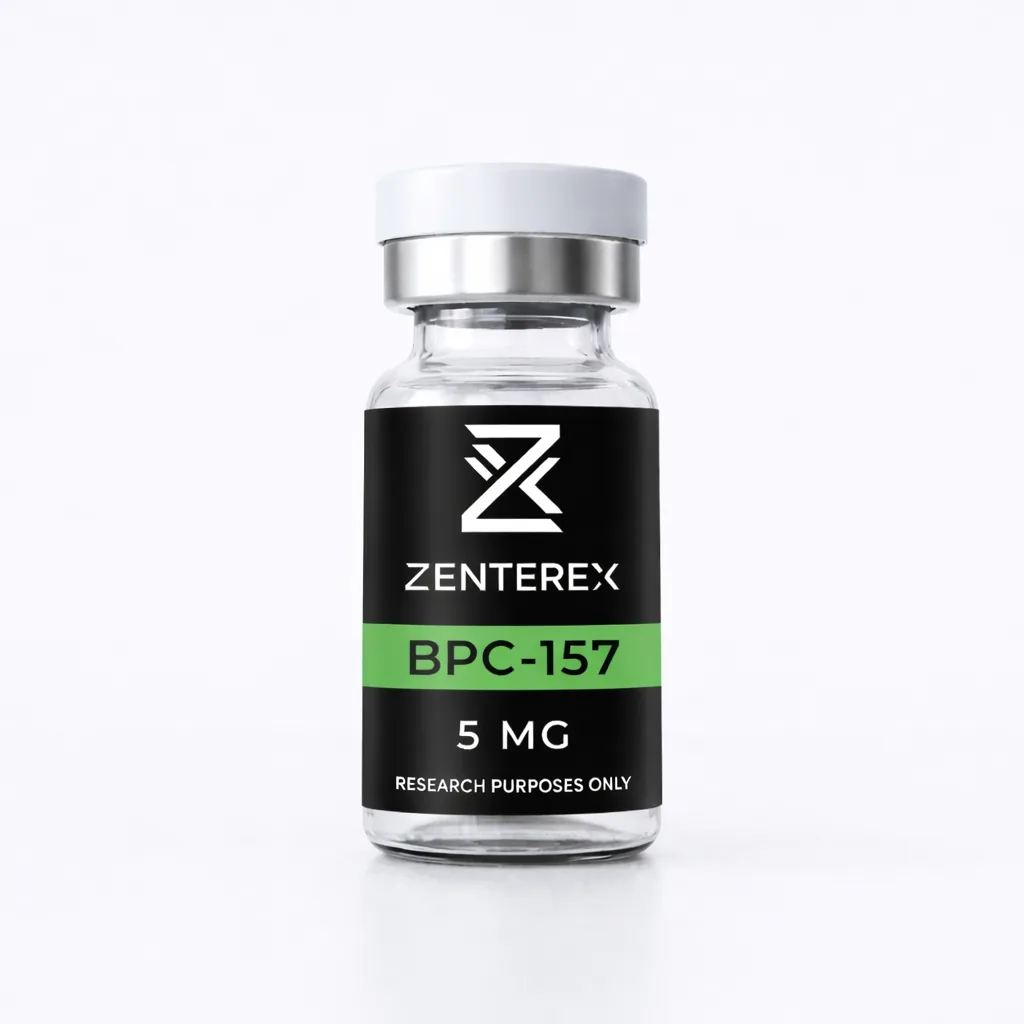
Label properly. Compound, strength, solvent, batch number, date. The batch number is what ties the portion back to the published analysis. An unlabelled tube in a freezer is not a reagent.
Use low-binding tubes for weak solutions. Peptides stick to plastic. In a weak solution the amount lost to the tube wall stops being trivial.
What this does not fix
Two limits, worth being clear about.
It does not extend how long a solution lasts. A portion kept for a year is a year-old solution, however few cycles it has been through. Time in liquid is its own variable.
It does not make liquid storage as good as dry storage. Dissolving only what your next few experiments need, and leaving the rest of the vial dry, beats dissolving the whole vial into portions on day one. Where a compound's published solution stability is short, that matters more than the splitting scheme does.
Write it down
The number of freeze-thaw cycles is a variable, and recording it as one is what keeps results comparable across a project.
If a stock is going to be cycled, note the count alongside the batch number. Then an odd result later can be checked against how many changeovers that material had been through.
It is the same reasoning as recording batch numbers at all. A result is only as traceable as the description of the material attached to it.
Everything we sell is for lab research only. It is not a medicine, and it is not for people or animals to take.