

Which Cytoprotective Peptide for Which Assay?
Five compounds sit in this category and they are not interchangeable. A selection guide by mechanism, so you pick the one that matches the question you are asking.
Our cytoprotective peptides group holds five compounds. They get grouped together and are often assumed to be variations on a theme. They are not: they are five unrelated molecules that happen to turn up in the same research field.
This is a guide to picking the right one.
The five, at a glance
| Compound | Size | Studied in connection with |
|---|---|---|
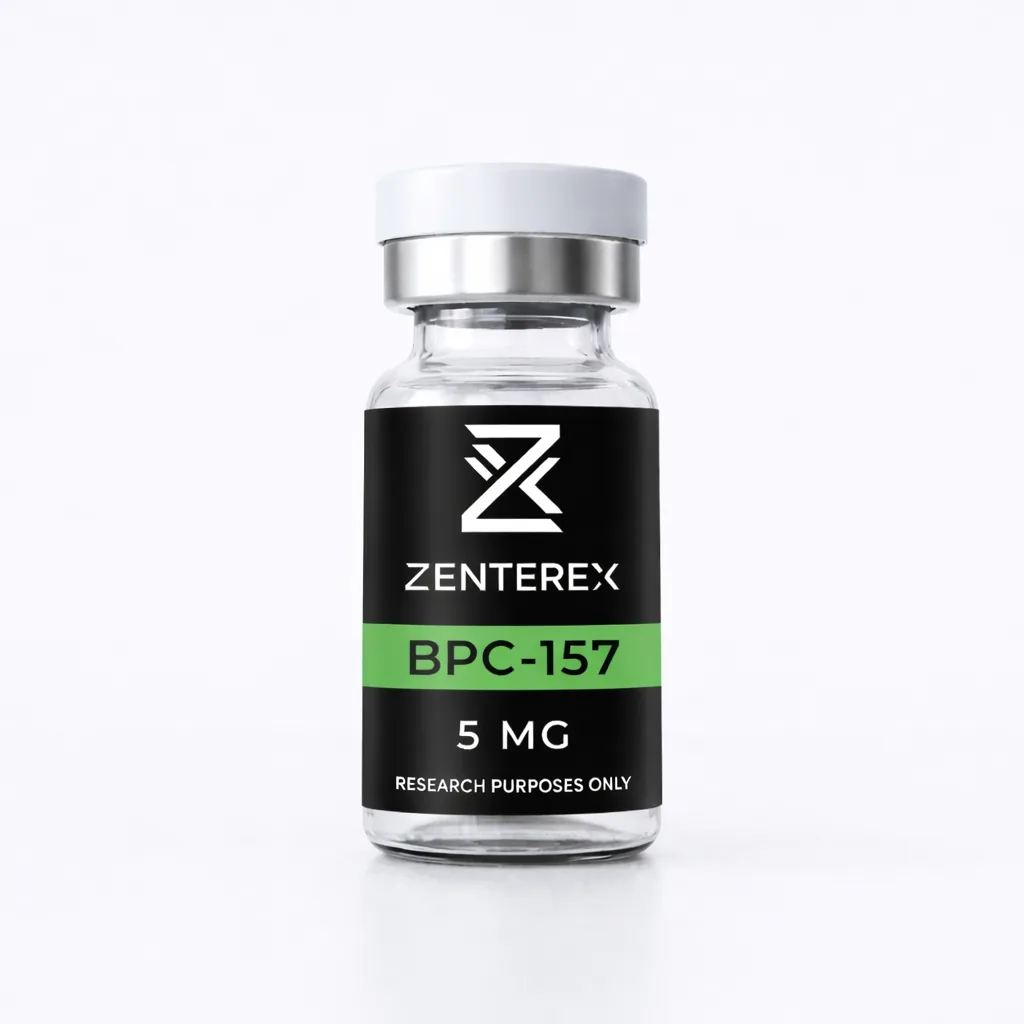
| BPC-157 | 15 residues | Blood vessel signalling, nitric oxide |
| TB-500 | ~4,963 g/mol | Actin, the cell's internal scaffolding |
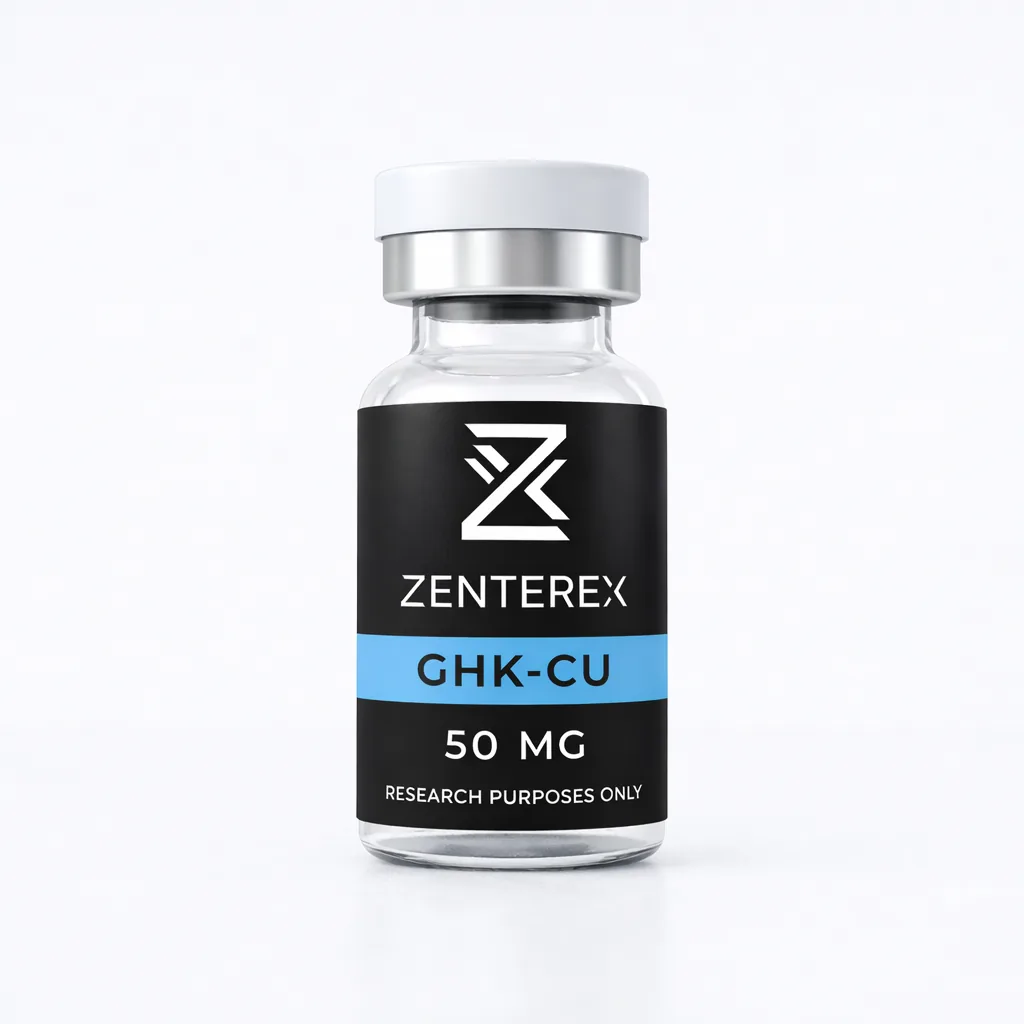
| GHK-Cu | 3 residues + copper | Matrix proteins, copper chemistry |
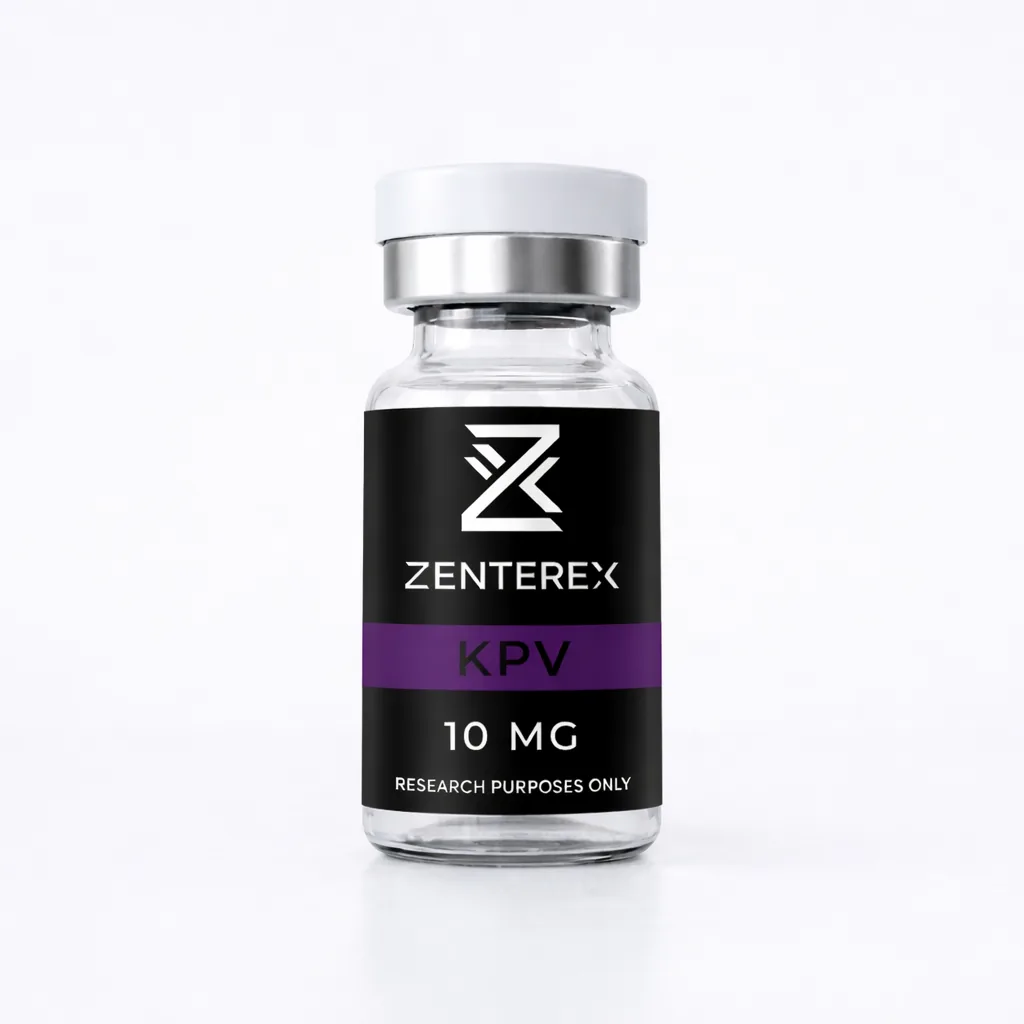
| KPV | 3 residues | Inflammatory signalling |
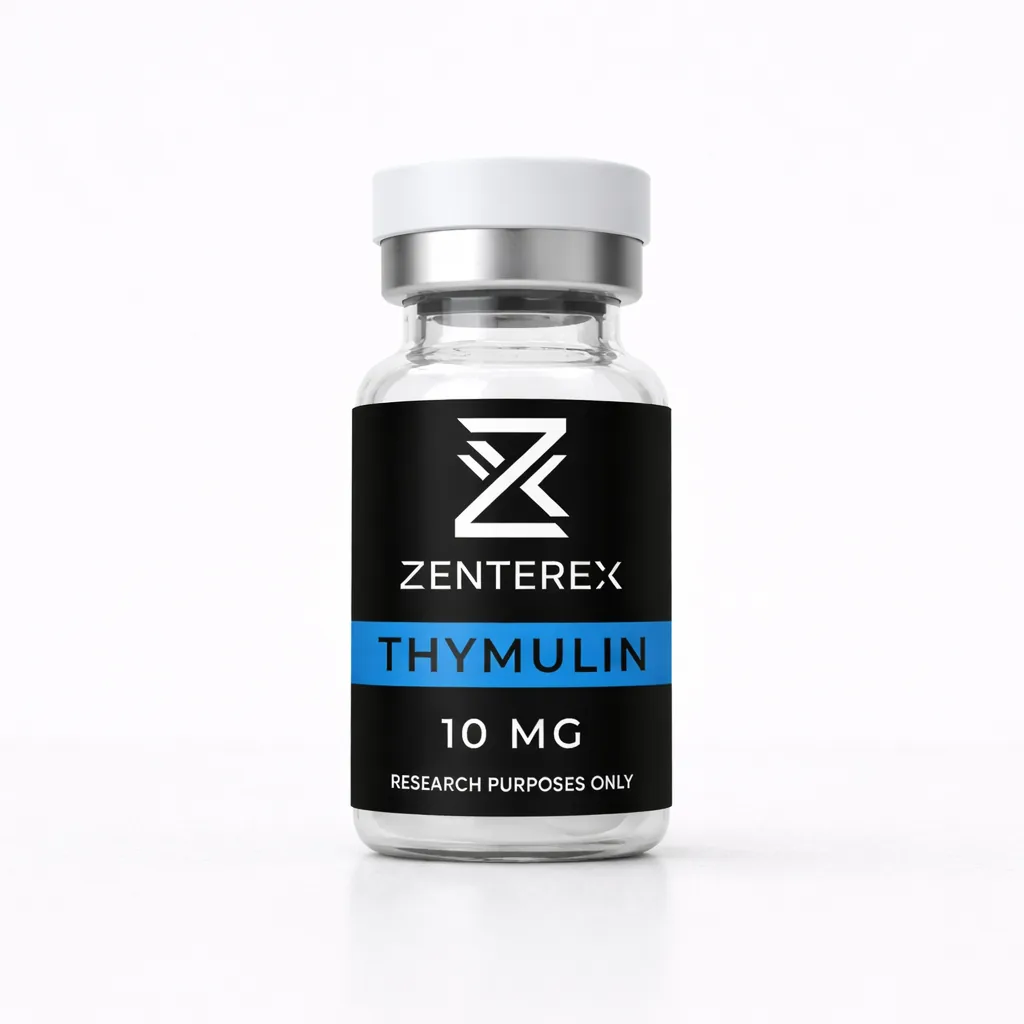
| Thymulin | 9 residues + zinc | Immune signalling, zinc-dependent |
Note the range. From 3 amino acids up to a molecule twelve times that size, with two of them built around metals. There is no family resemblance here.
Pick by the question you are asking
**Studying blood vessel formation or nitric oxide?** BPC-157. Its published research centres on VEGF signalling, the chemical messaging behind new blood vessel growth. Nitric oxide is the other thread. Mostly cell cultures and rats.
**Studying cell movement or the cytoskeleton?** TB-500. It copies part of thymosin beta-4. That protein grabs actin, which is the scaffolding cells build and take apart to change shape and move. Running a scratch wound assay, or anything else that measures cells moving? This is the one that fits.
**Studying extracellular matrix or collagen production?** GHK-Cu. Published work in cultured fibroblasts reports effects on matrix protein expression. Be aware you are studying a copper complex, not just a peptide.
**Studying inflammatory signalling?** KPV. Its research centres on NF-kB, a switch controlling inflammatory gene expression. It is a three-amino-acid tail from a larger hormone.
**Studying immune cell populations?** Thymulin. Originally from thymic tissue, and its published activity depends on bound zinc.
Three practical things that catch people out
**The two metal compounds need buffer care.** GHK-Cu holds copper, Thymulin needs zinc. Chelators such as **EDTA** strip the metal out, and nothing visible happens. You end up studying something else. Check your buffer recipe before you dissolve either. Our GHK-Cu walkthrough covers it.
**Milligrams do not compare across these.** GHK-Cu comes as 50mg, BPC-157 as 5mg. But GHK-Cu is a much lighter molecule. So 50mg of it holds roughly 35 times as many molecules as the 5mg BPC-157 vial. Compare molecules, not weight. The calculator does it, and our note on vial sizes explains why fills differ.
Solubility differs per compound. One compound's figure tells you nothing about another's. Check each product page.
If you want to compare several
Running more than one is common. They work differently enough that comparing them in one system tells you something.
Four of the five come together in a bundle, BPC-157, TB-500, GHK-Cu and KPV as separate vials. That reflects how the compounds are studied, not a suggestion they combine.
The mistake worth avoiding
Assuming BPC-157 and TB-500 are interchangeable. They are the two most-ordered compounds here and the most frequently conflated. They share no sequence, no parent molecule and no mechanism. One works on vascular signalling, the other on the cytoskeleton. Substituting one for the other does not give you a comparable result, it gives you a different experiment. Our comparison sets out how different they are.
Documentation
All five have published batch reports. There are three batches each for BPC-157 and GHK-Cu, and two for TB-500. Each is published on its own, so you can see how much the runs vary rather than an average.
Not sure which fits your setup? Tell us what you are measuring and we will point you at the relevant one.