

How to Choose a Research Peptide Supplier
Nine checks that separate a supplier who can prove what is in the vial from one who is asking you to take their word for it. Works on any supplier, including us.
Every peptide supplier says the same things. High purity, lab tested, fast shipping. The words cost nothing, and most of them are unverifiable.
This is a checklist for telling the difference. It works on any supplier. It works on us too. If we fail one of these, that is worth knowing.
1. Is the testing lab named?
"Independently lab tested" without a name is not a claim, it is a shape of words.
A supplier who tests properly will tell you who did the testing, because the lab's reputation is the whole point. If the lab is not named, there is nothing to check.
Ours is Janoshik Analytical.
2. Can you see the actual report, or just a number?
"99% purity" in a product description is an assertion. A full report is evidence.
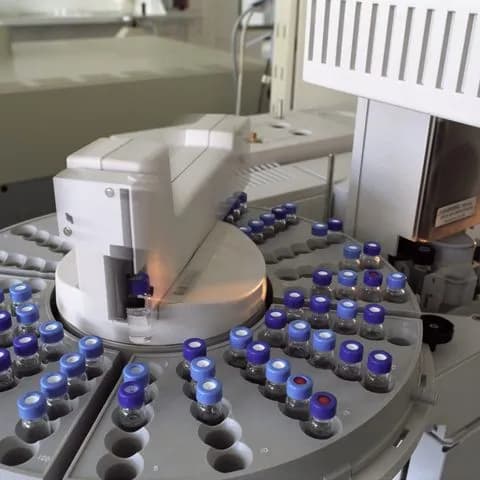
A real certificate shows the chromatogram and the method. It also shows the detection wavelength, the batch number and the issuing lab. You can look at it and judge for yourself.
A bare percentage has all of that stripped away. There is no way to tell whether it came from a real document.
3. Can the report be verified independently?
This is the check most people skip, and it is the strongest one.
A PDF is trivially editable. Anyone can change a number on one, and it will look exactly as convincing as the original.
The defence is a verification code issued by the lab. Every Janoshik report carries one at the bottom. You enter it on the lab's own website. Their records confirm whether the document is genuine. Because the record lives on their infrastructure, no supplier can tamper with it.
If a supplier's reports carry no verification mechanism, you are trusting the supplier, not the lab. Our step-by-step guide walks through it.
4. Does the batch number on the report match your vial?
A report describes one production run. Check that the batch number on the certificate matches the one on your label. If it does not, the document is about a different batch, however good its numbers look.
This is a surprisingly common gap. Some suppliers publish one flattering report and leave it up permanently while batches come and go behind it.
5. Is every batch tested, or just one showcase batch?
Batches really differ. Different reagent lots, different conditions, different day. A supplier who shows you one report is showing you one run.
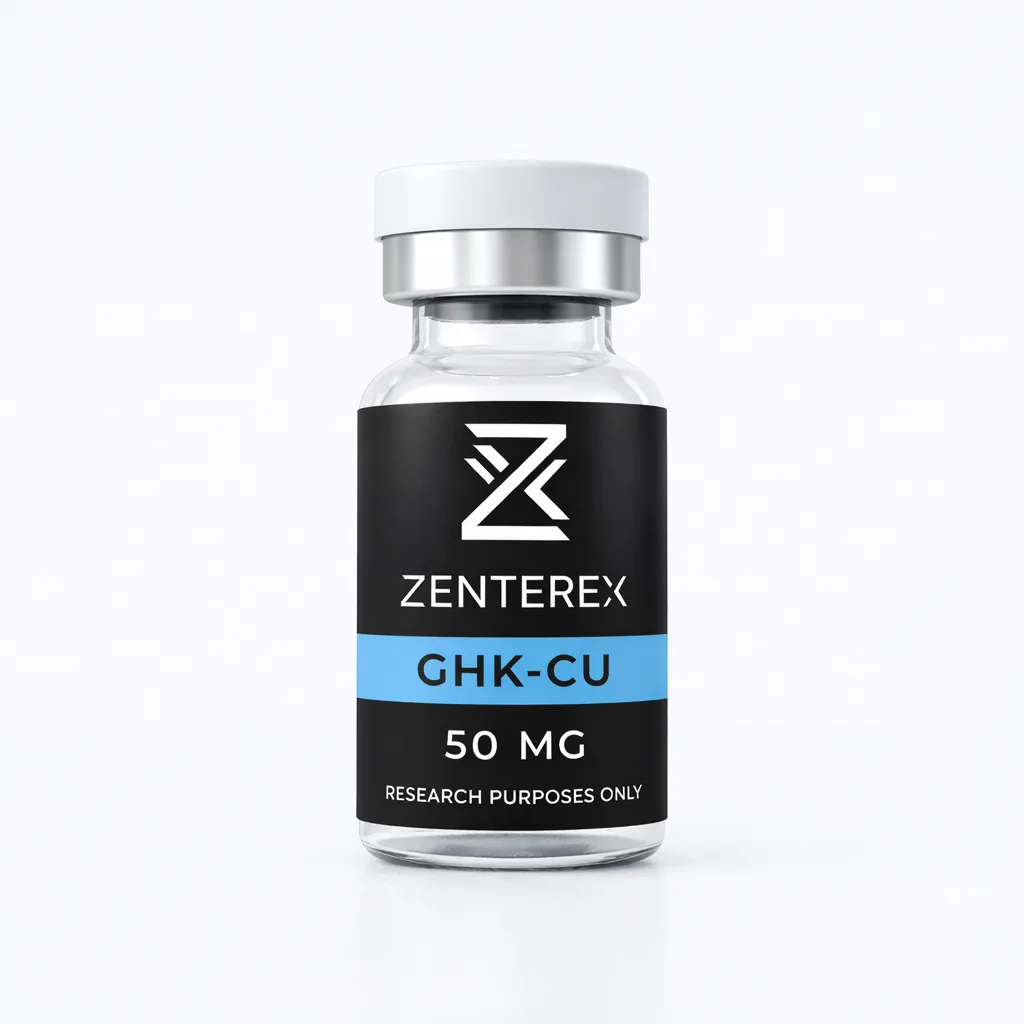
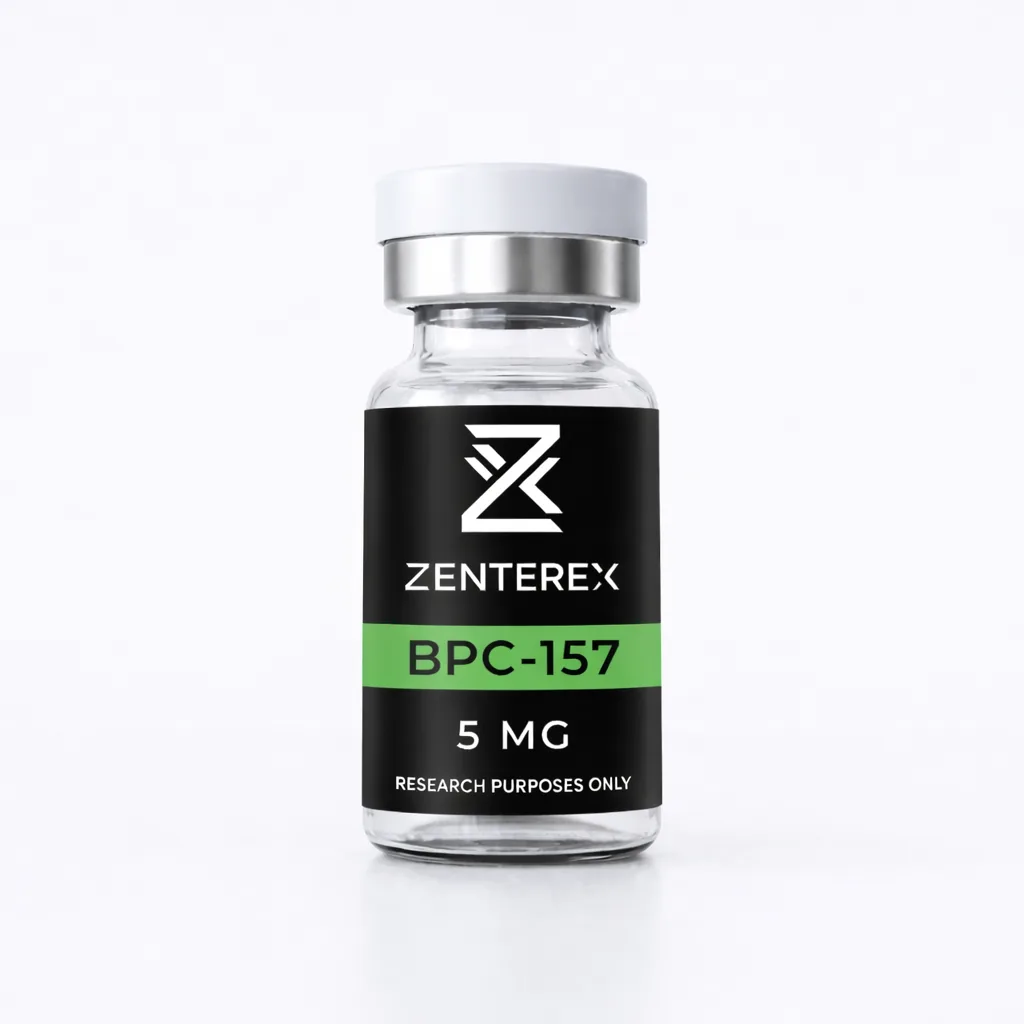
Look for multiple batches published per compound. Our batch pages carry three BPC-157 batches, three GHK-Cu, and two each for several others. Each is published on its own, rather than merged into one summary.
6. Does the report confirm identity, not just purity?
Two different questions, and most people only ask one.
Purity tells you what proportion of the detected material was the target compound. Identity tells you whether it is the right compound at all.
A vial could hold one very pure substance that is not what you ordered. A purity test alone would still report a clean result. Identity comes from mass spectrometry: weighing the molecule exactly and comparing it against what that exact sequence should weigh.
A complete report has both. Our note on reading a certificate covers what each half establishes.
7. Is net peptide content reported?
The one almost nobody mentions, and the one that affects your actual strength.
A vial's stated weight is not all peptide. Lab-made peptides come as salts, paired with counter-ions, and freeze-dried material holds some residual water. Both add real weight.
**Net peptide content** is the percentage of that weight that is really peptide. A vial can be 99% pure and still hold noticeably less peptide than the label weight suggests. There is no contradiction. The two figures measure different things. Our full explanation works through the arithmetic.
If it is not reported anywhere, the peptide quantity in the vial is unquantified.
8. Are the chemistry facts on the product page?
A serious listing carries the molecular formula, molecular weight, CAS number and, for a peptide, the sequence.
The CAS number matters most. It is a unique code for a chemical. So you can check that two listings mean the same molecule even when the names differ. In this field, names vary wildly. Our note on why CAS numbers matter explains it.
A listing with just a name and a price asks you to take the name on trust.
9. Is the language honest about what is known?
The tell that costs nothing to check.
A supplier making confident claims about what a compound does for people is either not reading their own sources. Or they are ignoring the law. Most of these compounds have been studied in cell cultures and rodents. That is interesting, and it is early. A supplier who says so is more likely to be straight with you about the rest.
In the UK it is also a legal matter. Present an unlicensed product as having properties for treating or preventing disease in human beings and it becomes a medicinal product by presentation. Hedging the claim does not help.
The short version
Print this, or keep it in a tab, and run it on anyone:
- 1.Testing lab named?
- 2.Full report published, not just a number?
- 3.Report independently verifiable?
- 4.Batch number matches your vial?
- 5.Every batch published?
- 6.Identity confirmed, not just purity?
- 7.Net peptide content reported?
- 8.Formula, mass, CAS number and sequence on the page?
- 9.Honest about how early the research is?
A supplier who passes all nine is not asking you to trust them. They have given you the means to check.
If anything here is unclear, or you want us to walk you through a report, just ask.
Everything we sell is for lab research only. It is not a medicine, and it is not for people or animals to take.