
How to Reconstitute BPC-157: A Worked Example
A step-by-step worked example of dissolving a 5mg BPC-157 vial, with the arithmetic shown in full and the four mistakes that cost most of the material.
Reconstitution just means adding liquid to a dry powder. The chemistry is simple. The arithmetic is where people slip. So this walks through one vial end to end with every number shown.
What you need
- One vial of BPC-157, 5mg of freeze-dried powder
- Bacteriostatic water, or sterile water if it will all be used quickly
- A syringe
- Alcohol wipes
Which water? Bacteriostatic water contains a small amount of benzyl alcohol that stops bacteria multiplying, which matters if you will draw from the vial repeatedly over days or weeks. If you are dissolving it and splitting it into single-use portions straight away, sterile water is equally fine.
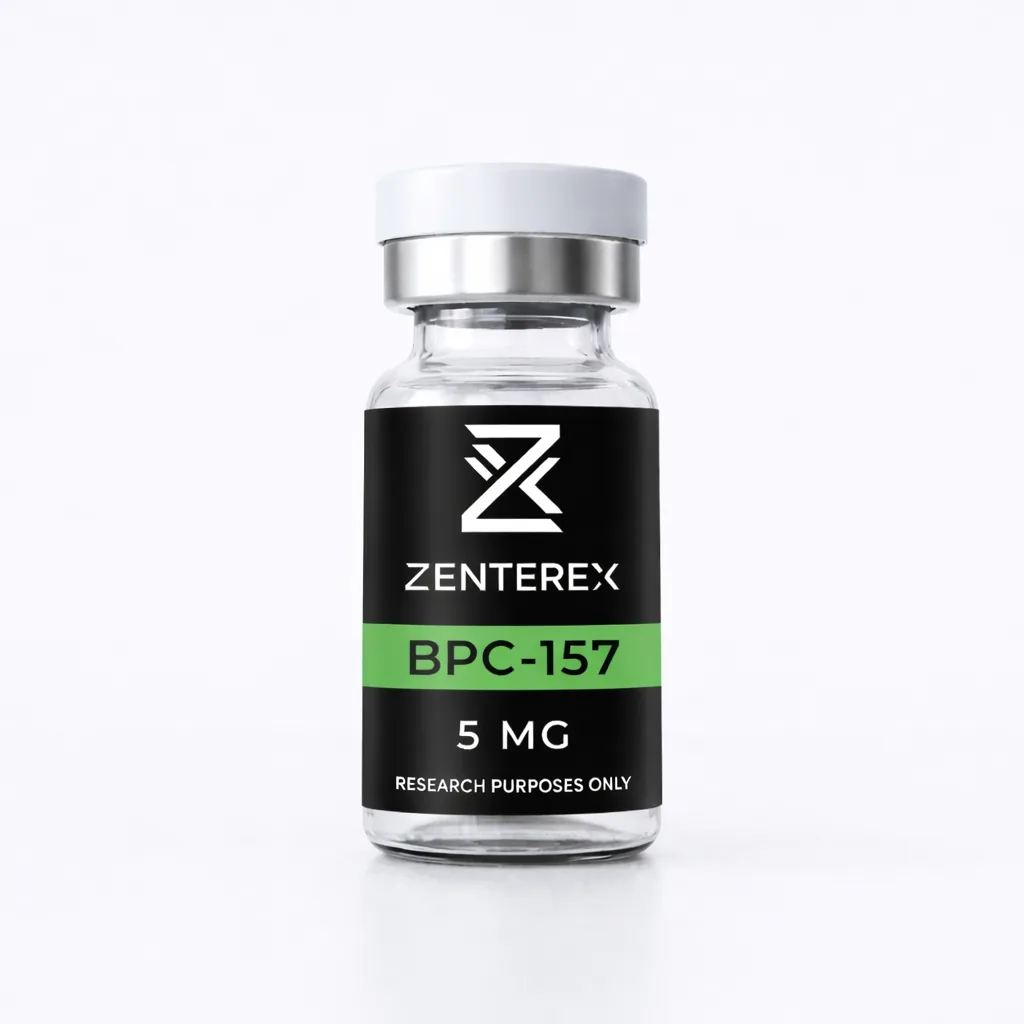
Step 1: work out the volume before you start
This is the step people skip, and it is the one that decides everything.
The vial holds a fixed 5mg. Your strength depends completely on how much liquid you add.
| Water added | Strength |
|---|---|
| 1 mL | 5 mg/mL |
| 2 mL | 2.5 mg/mL |
| 5 mL | 1 mg/mL |
BPC-157's published solubility is water at 1 mg/mL, so 5 mL gives a comfortable solution. Less water gives a more concentrated one.
There is no correct answer here, only a consistent one. Pick a number, write it down, and use the same figure every time so the numbers stay comparable. Our peptide calculator does this for any vial size and target strength.
Step 2: let the vial reach room temperature
Take it out of the freezer and leave it for 20 to 30 minutes.
Do not skip this. A vial straight from a freezer is far colder than the room. Open it cold and moist air rushes in and condenses onto the powder, putting water back into material that was freeze-dried specifically to remove it. It is the single most damaging thing you can do to a vial. It takes half an hour to avoid.
Step 3: prepare
Wipe the rubber seal on both vials with alcohol and let it dry on its own. Do not wipe it off. The contact time is what does the work.
Use a fresh needle and syringe.
Step 4: draw the water
Draw your chosen volume from the bacteriostatic water vial. For this example, 5 mL.
Step 5: add it slowly, down the side
Put the needle through the seal at an angle so the water runs down the inside wall of the vial, not directly onto the powder.
Let it flow in slowly. Do not force it.
Step 6: swirl, do not shake
Gently swirl or roll the vial.
Do not shake it. Shaking whips air into the liquid, and peptides come apart at the boundary between air and water. Those damaged molecules then clump together, and clumping does not reverse. Vigorous shaking is how you lose material without seeing anything happen.
Step 7: wait
It may not dissolve immediately. Leave it at room temperature and swirl occasionally.
A powder that has not dissolved after thirty seconds has very often dissolved after ten minutes. Patience is free.
Finished, it should be clear and colourless with nothing floating in it.
Step 8: split it up, and label
Once dissolved, divide it into single-use portions rather than returning to one vial repeatedly.
Every time you freeze and thaw a solution you damage a little of it, and the damage adds up. Splitting it once means each portion is frozen and thawed exactly once, however long the project runs. Our note on aliquoting explains the mechanism.
Label every portion with the compound, strength, date and batch number. The batch number is what ties it back to the published lab report. An unlabelled tube in a freezer is not a reagent, it is a mystery.
The four mistakes that cost the most
Opening a cold vial. Covered above, and the biggest one.
Shaking instead of swirling. Invisible loss.
Not writing the volume down. If you cannot remember whether you added 2 mL or 5 mL, you no longer know your strength, and the vial is guesswork.
Dissolving the whole vial when you only need part of it. Dry powder keeps for months to years. Solution keeps for days to weeks. If you only need a little now, that gap is worth respecting.
What about other compounds?
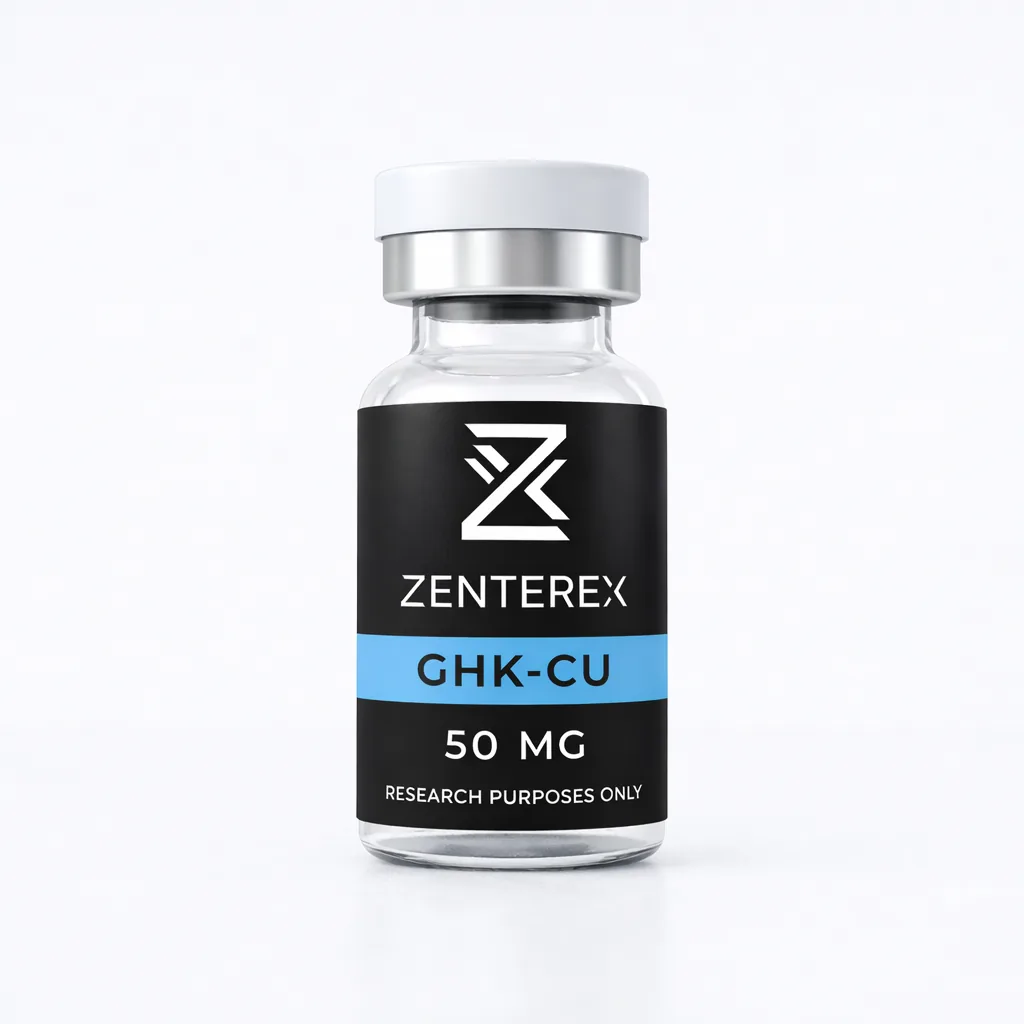
The method is the same, but **the numbers are not**. Every compound has its own vial size and its own published solubility. They vary enormously, GHK-Cu comes as 50mg, ten times this vial.
GHK-Cu also has a quirk worth knowing before you dissolve it, which we cover in its own walkthrough.
Always check the product page for the compound in front of you rather than reusing these figures. Our note on choosing a solvent covers what to do when water alone will not dissolve something.
If you get stuck, ask us.