
Anti-Aging
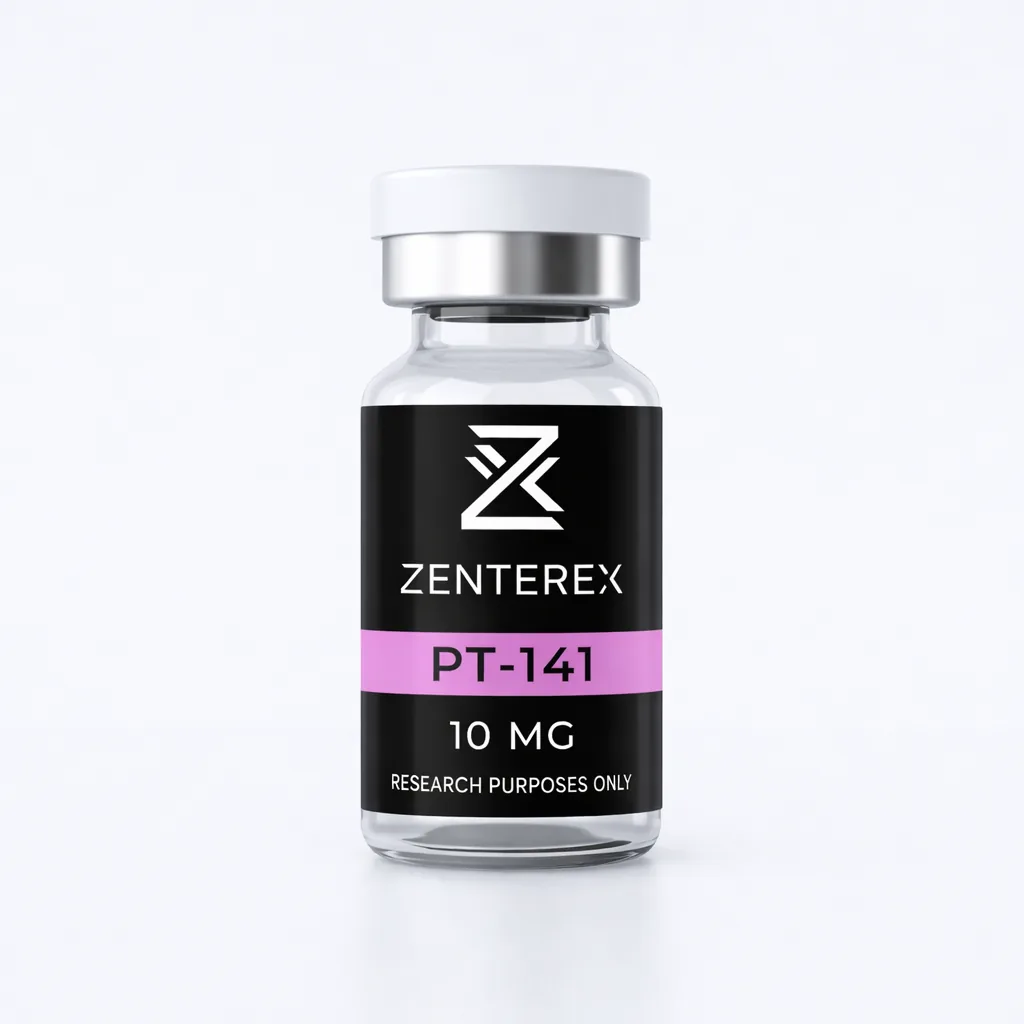
PT-141
Cβ βHββNββOββ
Key Research Findings
- FDA-approved as Vyleesi (bremelanotide) for HSDD in premenopausal women.
- Acts via central MC3R/MC4R rather than vascular mechanisms β distinct from PDE5 inhibitors.
- Phase 3 trials demonstrated statistically significant improvements in desire and reduced distress in HSDD.
- Subcutaneous self-administration 45 minutes prior to activity; onset within 45 minutes in clinical trials.
Overview
PT-141 (Bremelanotide) is a cyclic heptapeptide melanocortin agonist derived from MT-2, distinguished by its free carboxyl terminus. It is the first and only FDA-approved melanocortin receptor agonist for hypoactive sexual desire disorder (HSDD) in premenopausal women, marketed as Vyleesi, and is studied for its central nervous system-mediated effects.
Mechanism of Action
PT-141 acts primarily via MC3R and MC4R receptors in the central nervous system, particularly in hypothalamic and limbic regions involved in motivation and arousal. Unlike phosphodiesterase inhibitors (e.g., sildenafil), PT-141 does not act on the vascular system but instead modulates CNS pathways, providing a neurochemically distinct mechanism in melanocortin research.
Research Effects
Melanocortin Receptor Activation
Extensive ResearchFDA-approved evidence for central MC3R/MC4R agonism; mechanism of action well-characterised in clinical and pre-clinical studies.
CNS Modulation
Moderate ResearchCentral nervous system MC4R activation in hypothalamic and limbic circuits is supported by both animal and human neuroimaging studies.
Melanogenesis
Moderate ResearchAs a melanocortin agonist, PT-141 activates MC1R and produces mild skin pigmentation, though this is a secondary research effect.
Appetite Regulation
Preliminary ResearchMC4R activity may contribute to appetite suppression, consistent with findings from related melanocortin agonists, though this is not a primary research focus for PT-141.
Research Purposes Only β All information on this page is provided for scientific research purposes only. This product is not intended for human consumption, diagnosis, treatment, or prevention of any disease.
Quick Facts
Research Status Key
Related Peptides
Anti-Aging
MT-1
MT-1 (Melanotan I, Afamelanotide) is a synthetic analogue of alpha-melanocyte stimulating hormone (Ξ±-MSH) that selectively activates the MC1R melanocortin receptor. It has been extensively studied for its role in stimulating melanogenesis β the production of photoprotective eumelanin pigment β and is licensed in several countries as Scenesse for erythropoietic protoporphyria (EPP).
Learn More β
Anti-Aging
MT-2
MT-2 (Melanotan II) is a cyclic, non-selective melanocortin receptor agonist developed as a shorter, more potent analogue of MT-1. It activates multiple melanocortin receptor subtypes (MC1R, MC3R, MC4R, MC5R) and has been studied for its diverse effects on pigmentation, energy homeostasis, and physiological regulation.
Learn More β
Anti-Aging
Epitalon
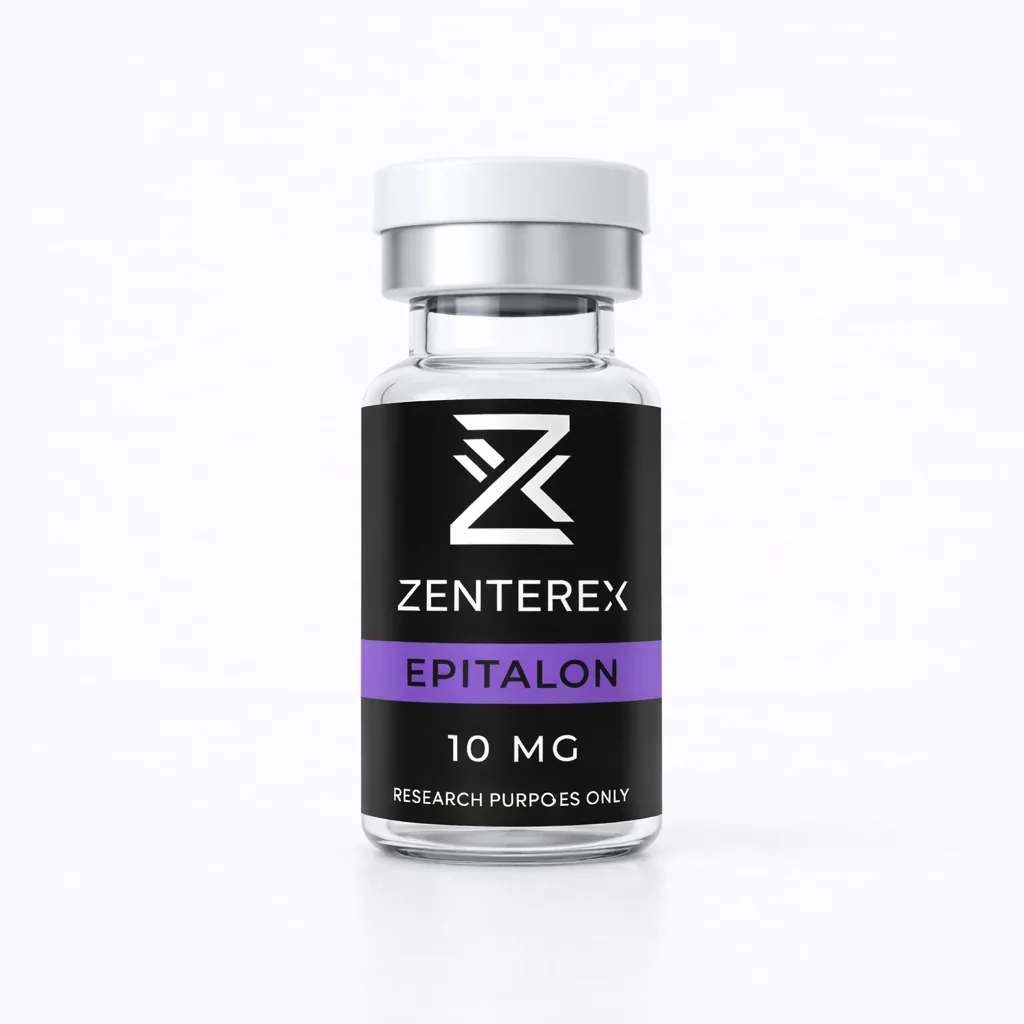
Epitalon (Epithalon) is a synthetic tetrapeptide derived from the pineal gland peptide Epithalamin, developed by Professor Vladimir Khavinson in Russia. It is studied primarily for its ability to activate telomerase and elongate telomeres, positioning it as a key research compound in the biology of ageing.
Learn More β