

A Research Peptide Glossary: Terms, Abbreviations and Units
Plain-English definitions of the terms, abbreviations and units used on peptide product pages and certificates of analysis.
Peptide paperwork is full of jargon. One product page can show a sequence, a formula, a CAS number, a purity figure and a storage temperature. The batch certificate adds another layer on top.
This page explains each term in plain words. Nothing here tells you how to use anything. Everything we sell is for lab research only.
What the molecule is
Peptide. A short chain of amino acids. Think of beads on a string. A few beads is a peptide. Hundreds is a protein. The usual cut-off is about fifty.
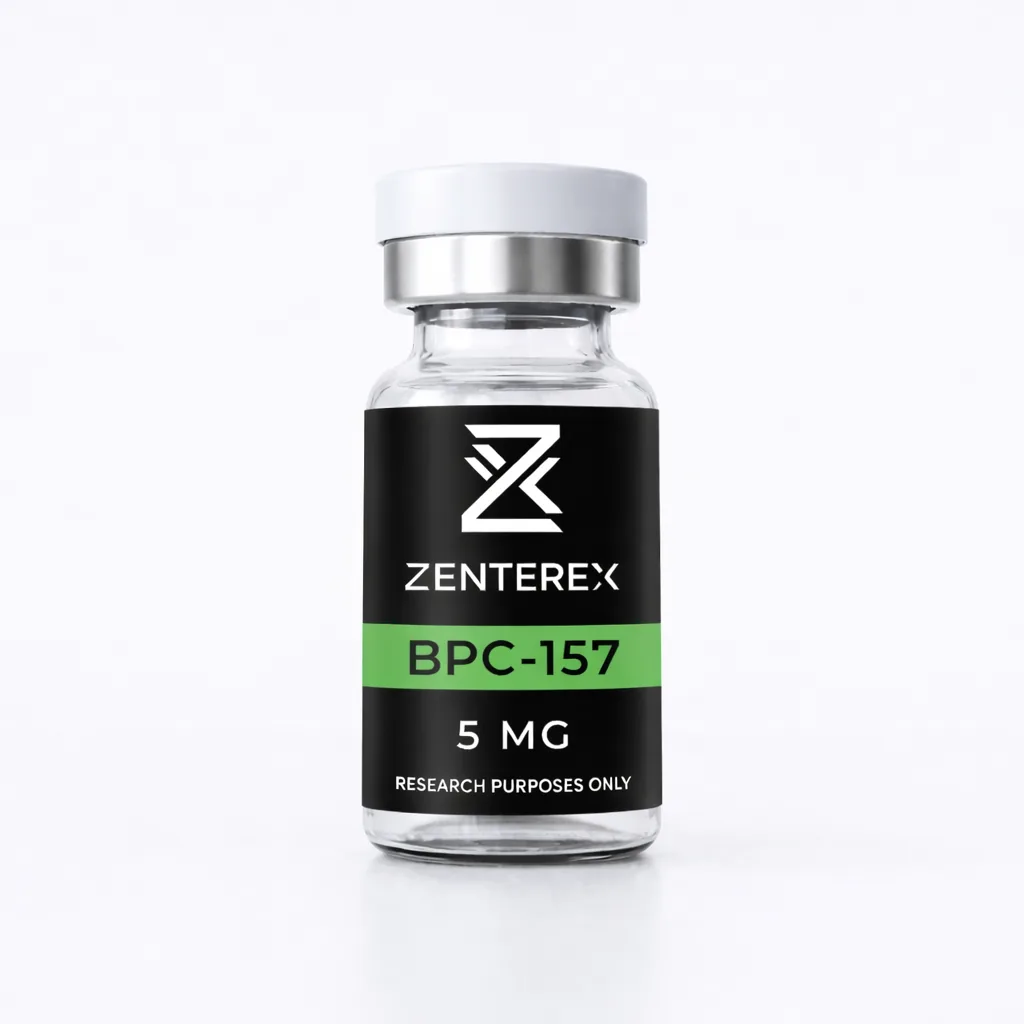
**Residue.** One bead in the chain. BPC-157 has fifteen.
Sequence. The order of the beads, read from one end to the other. It is written in three-letter code (Gly-Glu-Pro) or one-letter code (GEP). The sequence is what makes a compound that compound.
N-terminus and C-terminus. The two ends of the chain. Chemists often add a small cap to one end. A cap changes the weight, so it counts as part of what the compound is.
Analogue. A lab-made copy with small changes. Published research describes Tesamorelin as an analogue of growth-hormone-releasing hormone, with one end capped.
Fragment. A piece cut out of a bigger molecule. HGH-Fragment 176-191 is beads 176 to 191 of human growth hormone.
Cyclic peptide. A chain joined up into a ring. The ring holds the shape still. Published research often reports that this changes which receptor it fits.
D-retro-inverso. The sequence is reversed, and every bead is swapped for its mirror image. The two changes cancel out. The shape ends up similar, but enzymes find it much harder to break down.
Numbers on a product page
Molecular formula. How many atoms of each kind the molecule has.
Molecular weight. What one mole of it weighs, in grams. Two suppliers can print different numbers for the same compound. One is weighing the plain molecule, the other a salt form. That is why the formula matters with the number.
CAS number. A registry number, a bit like a passport number for a chemical. Names and abbreviations vary between suppliers. The CAS number does not.
Half-life. How long until half of it is gone, under stated conditions. Where we quote one it comes from published animal studies. It describes those experiments and nothing else.
Solubility. What it dissolves in, and at what strength. Water at 1 mg/mL, for example.
Storage. The temperature and light conditions the dry powder is reported as stable in. Usually minus 20 degrees Celsius, away from light.
The physical form
Lyophilised. Freeze-dried. The compound is frozen, then the water is pulled off under vacuum. What is left is a dry cake or powder. Dry keeps far better than wet, both in storage and in the post.
**Reconstitution.** Adding liquid to turn the powder back into a solution. The volume you add sets the strength. Our calculator does the sums.
**Bacteriostatic water.** Water with a little benzyl alcohol in it, which stops bacteria growing. That matters when a vial gets opened more than once. See our bacteriostatic water page.
Aliquot. A small measured portion, split off into its own tube. It saves thawing the whole stock every time.
Freeze-thaw cycle. One round of freezing and thawing. Doing it over and over is widely reported to damage peptides.
Adsorption. Peptides in weak solution stick to the sides of the tube. Plain plastic is the worst for it. Less ends up in the liquid than you put in.
Analysis and paperwork
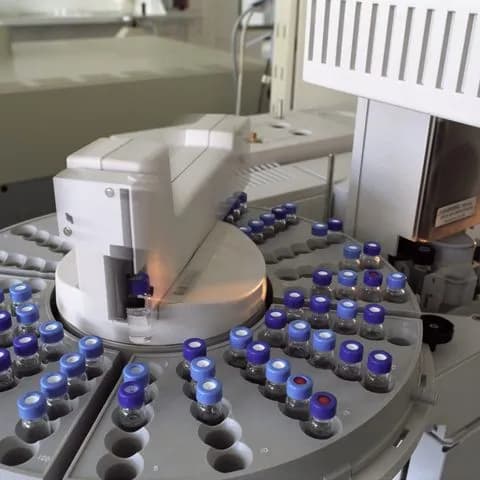
HPLC. High-performance liquid chromatography: a lab test that separates a mixture. The sample is pushed through a packed tube, and the parts come out at different times. Think of a crowd leaving down a narrow corridor. Some dawdle, some hurry, so they arrive apart. It is the standard way to measure purity.
Retention time. How long a part takes to come out. Under fixed settings the same compound always takes the same time. So the time is checked against the expected value as an identity check.
Purity (percentage area). How much of the signal came from the main peak. It tells you what share of the detected material is the target compound. It does not tell you everything that is in the vial.
Net peptide content. How much of the vial's weight is actually peptide. The rest is salt, water and leftover solvent. Purity and net content answer different questions, and you need both.
Mass spectrometry. Weighing the molecule very exactly. The weight found is compared with the weight the sequence should give. That confirms it is the right molecule, which a purity figure alone cannot do.
Counter-ion. An ion paired with the peptide to make a stable salt, usually acetate or trifluoroacetate. It adds weight. That is why gross weight and net peptide content differ.
Truncated and deletion sequences. By-products where a bead is missing, or the chain stopped early. They are the main thing purification is meant to remove. They show up as small peaks.
Certificate of analysis. The batch document. It reports identity and purity, names the batch, and names the lab that did the testing. Ours come from an independent lab.
Batch number. The code tying one production run to its test results. Write it down with your data and the result stays traceable.
The abbreviations
Several names in the range are abbreviations. Here is what they stand for.
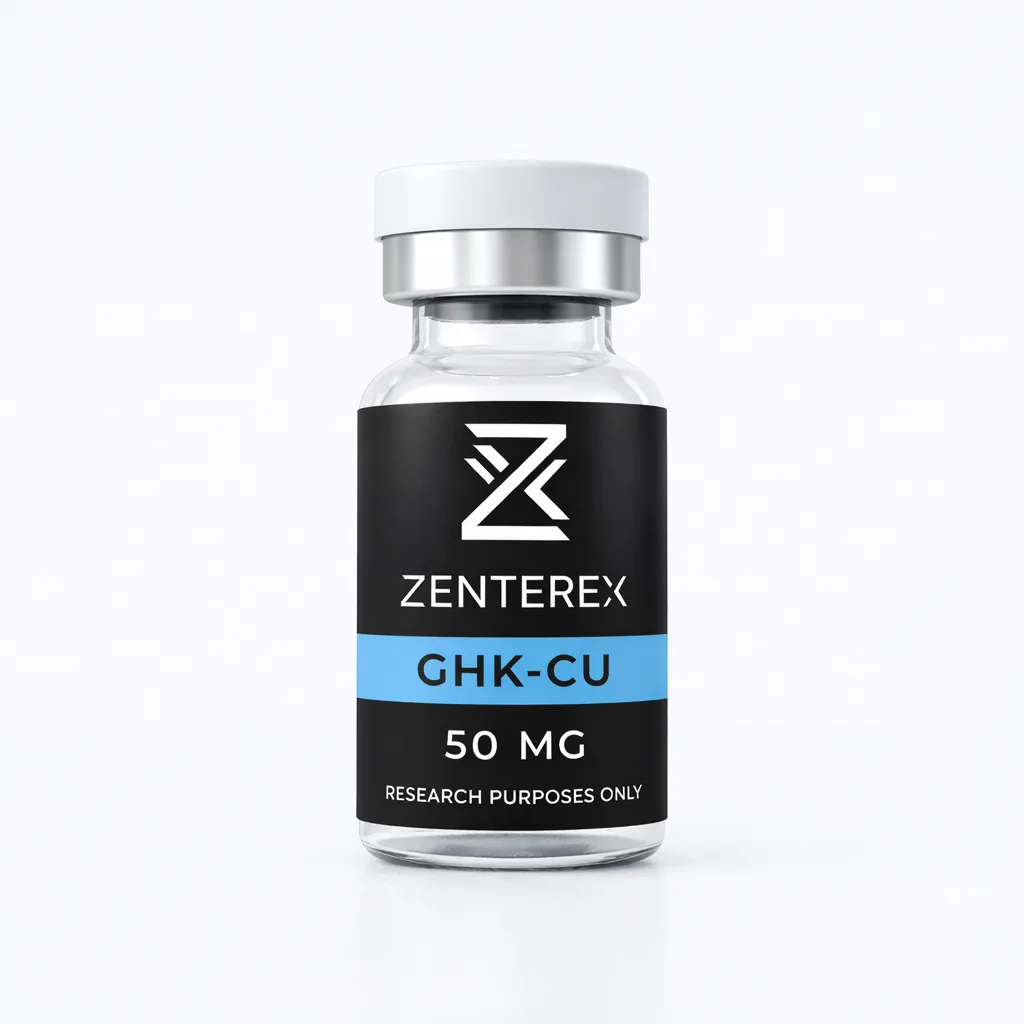
- GHK-Cu: glycyl-L-histidyl-L-lysine, holding a copper ion. Published research calls it a copper tripeptide.
- KPV: its three beads, lysine-proline-valine. It is a piece of alpha-MSH.
- DSIP: delta sleep-inducing peptide. The name was given when it was first isolated, and it stuck.
- GHRP-6: growth hormone releasing peptide 6, an early compound of that class.
- CJC-1295 (No DAC): the "no DAC" means the drug affinity complex linker is missing.
- MOTS-C: mitochondrial open reading frame of the twelve S ribosomal RNA type-C.
Research status labels
Each research area on our product pages carries one of three labels. They say how much has been published, and nothing more.
- Extensive research: a large published body, from several independent groups.
- Moderate research: a smaller but settled set of reports.
- Preliminary research: early or limited work.
The labels rank the depth of the research. They do not rank the compounds, and they say nothing about outcomes in any setting.
Where this sits in our paperwork
Every product page carries the formula, the weight, the CAS number and, where there is one, the sequence. Storage and solubility are there too. Batch results are published separately, each with a key you can check with the lab that issued it.
We keep this glossary because clear words are part of good paperwork. If a term you need is missing, ask us and we will add it.
Everything we sell is for lab research only. It is not a medicine, and it is not for people or animals to take.