
BPC-157 for Gut Health
BPC-157 was discovered in the gut and most of its early research is gastrointestinal. Why it can be taken orally, and how people use it for gut problems.
Most people meet BPC-157 as an injury compound. It was actually discovered in the gut, and that is where most of its early research sits.
Where it came from
BPC-157 is a piece of a larger protein found in human gastric juice. Your stomach makes a version of it constantly.
That is not a coincidence. Your stomach lining rebuilds itself faster than almost any tissue you own, because it sits in acid all day and has to. The protein BPC-157 comes from is part of how it manages that.
The name is short for Body Protection Compound.
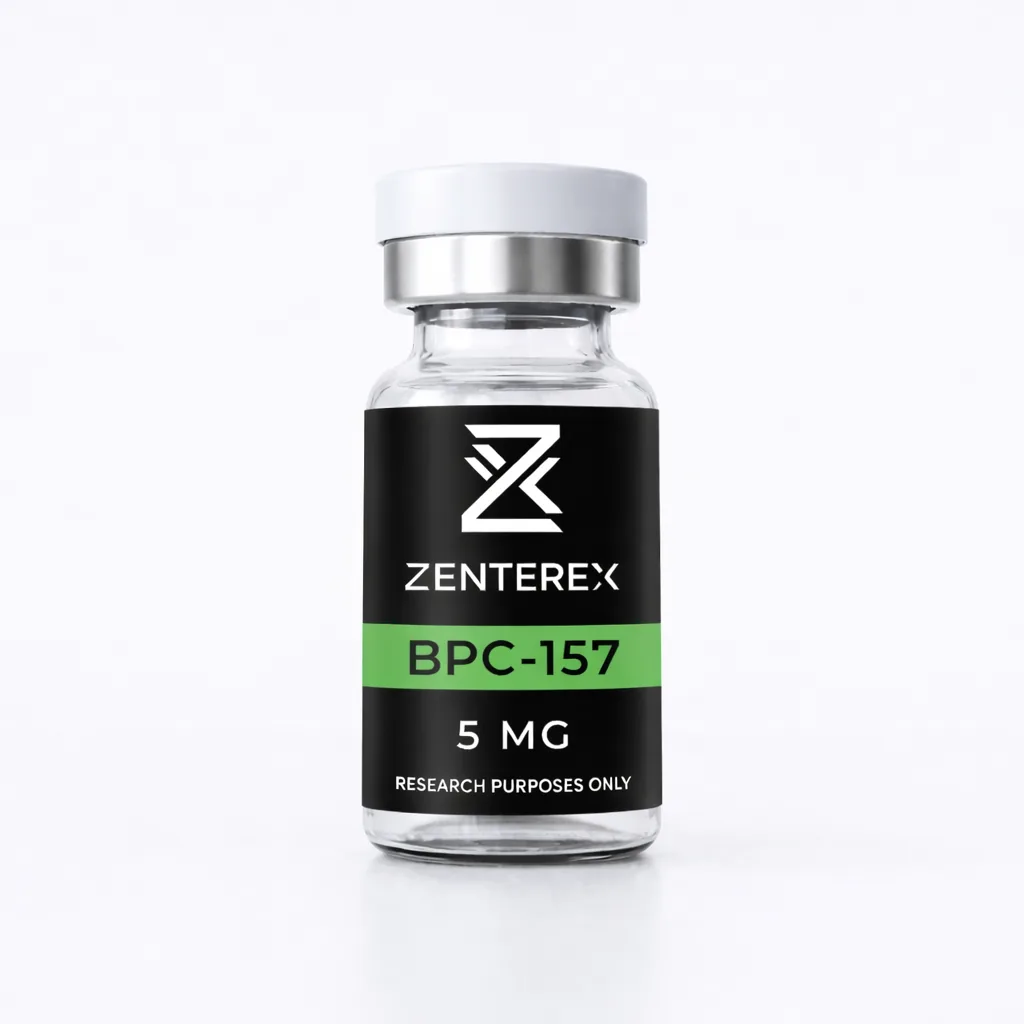
Why it can be swallowed
Almost no peptide survives being swallowed. Stomach acid and digestive enzymes take chains apart, which is why nearly everything in this market is injected.
BPC-157 is the exception. It holds up in stomach acid.
That means it can be taken orally and still arrive at the intestinal lining intact. For gut problems this is a genuine advantage. The compound reaches the tissue directly, rather than having to travel there through the blood.
Our oral vs injection guide covers when each makes sense.
What the research looks at
The gastrointestinal research is the oldest and largest part of the BPC-157 literature.
Stomach ulcers. The original work. Animal models consistently report faster closing of stomach lesions.
Damage from anti-inflammatories. Long-term ibuprofen, naproxen or diclofenac use strips the protective layer off the stomach. Animal studies report BPC-157 both preventing and reversing that damage. This is why people who take anti-inflammatories for a chronic injury often run it alongside.
Inflammatory bowel models. Animal work on inflamed bowel tissue.
The tight junctions between gut cells. These are the seals between the cells lining your intestine. When they loosen, things pass through that should not. That is what people mean by leaky gut. The research looks at whether BPC-157 helps those seals hold.
How people use it for the gut
Orally. Capsules or the reconstituted liquid taken by mouth. 250 to 500 mcg per day.
Or injected into the abdomen, if you would rather not take it orally. Both routes are used.
Gut effects are often reported faster than injury effects. People commonly describe changes inside the first week to ten days, rather than the two to three weeks typical for a tendon.
What people report
Less bloating. More settled digestion. Reduced discomfort after eating. People taking anti-inflammatories long term often report their stomach tolerating them better.
As always, this is user experience alongside animal research, not human trial data.
Adding KPV
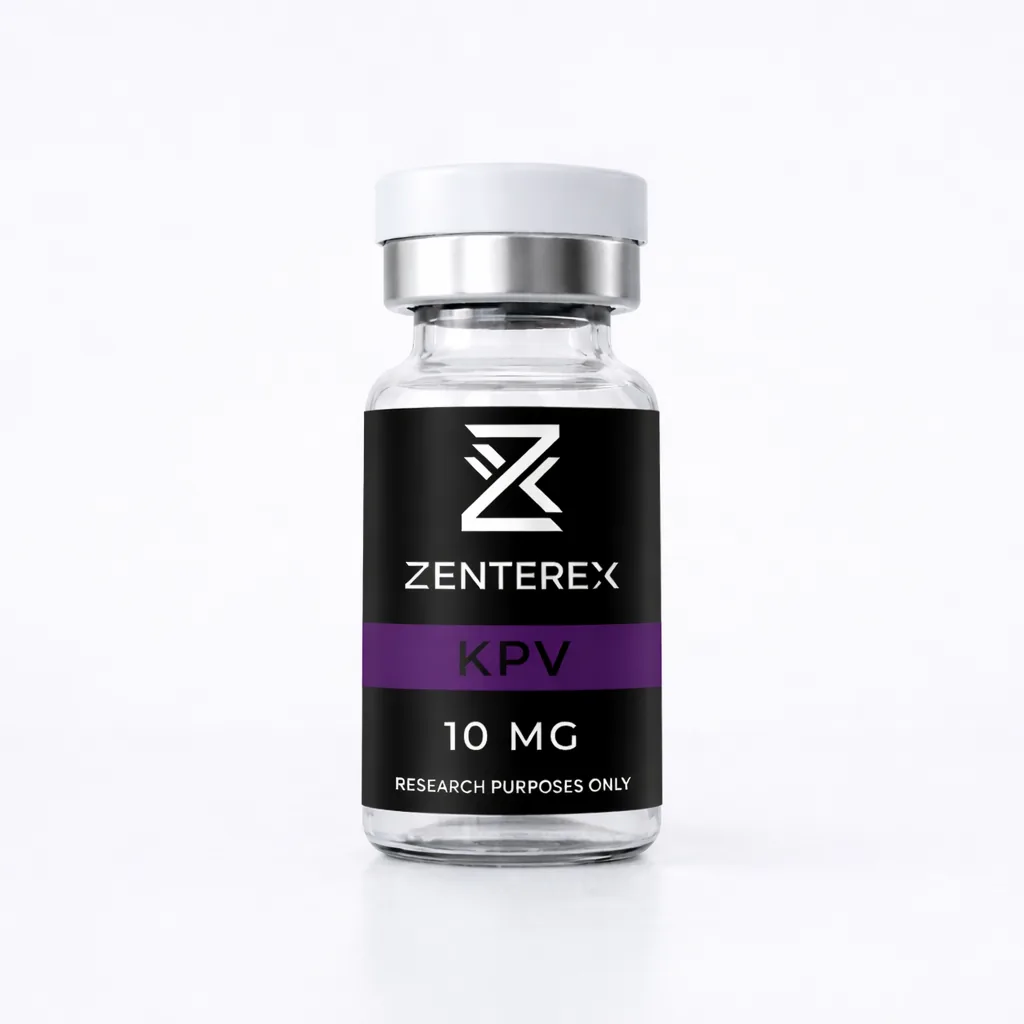
KPV is the other gut compound we sell. It is three amino acids, the tail end of a hormone called alpha-MSH. Its research is specifically about inflammation.
People generally come to it after BPC-157, either to push harder on gut symptoms or because they want an anti-inflammatory option. Our KPV guide covers it.
Everything we sell is supplied for research purposes. It is not a medicine and it is not approved for medical use.