

The Best Peptides for Fat Loss and Energy
Which fat loss peptide does what. Cagrilintide, AOD-9604, HGH Fragment, 5-Amino-1MQ and the mitochondrial group compared on effect, dose and evidence.
These compounds do not all do the same job. Some work on appetite. Some work on how fat is used. Some work on energy production.
Picking the wrong one is why people say peptides did nothing for them.
The short answer
| If you want to | Look at | What it does |
|---|---|---|
| Eat less without fighting it | Cagrilintide | Works on the appetite signal itself |
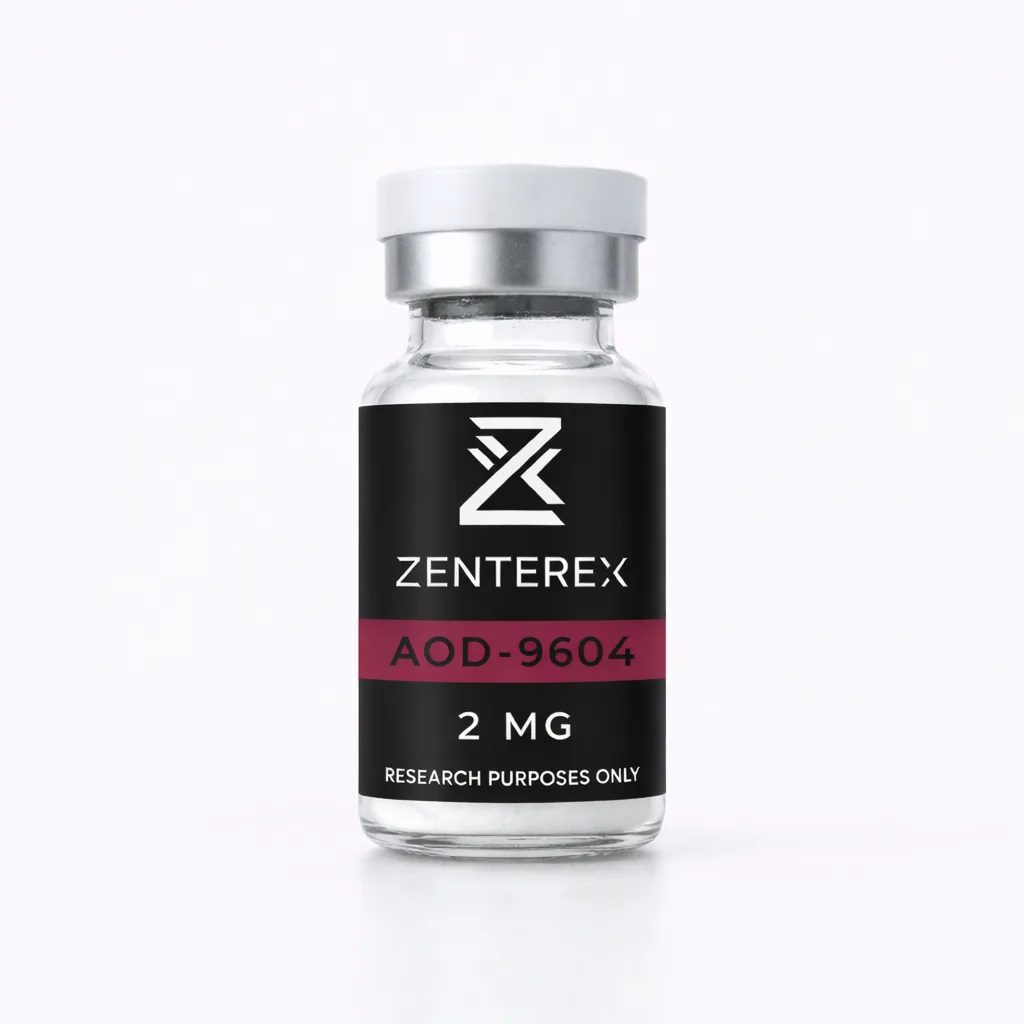
| Target fat specifically | AOD-9604 | A piece of growth hormone, without the growth part |
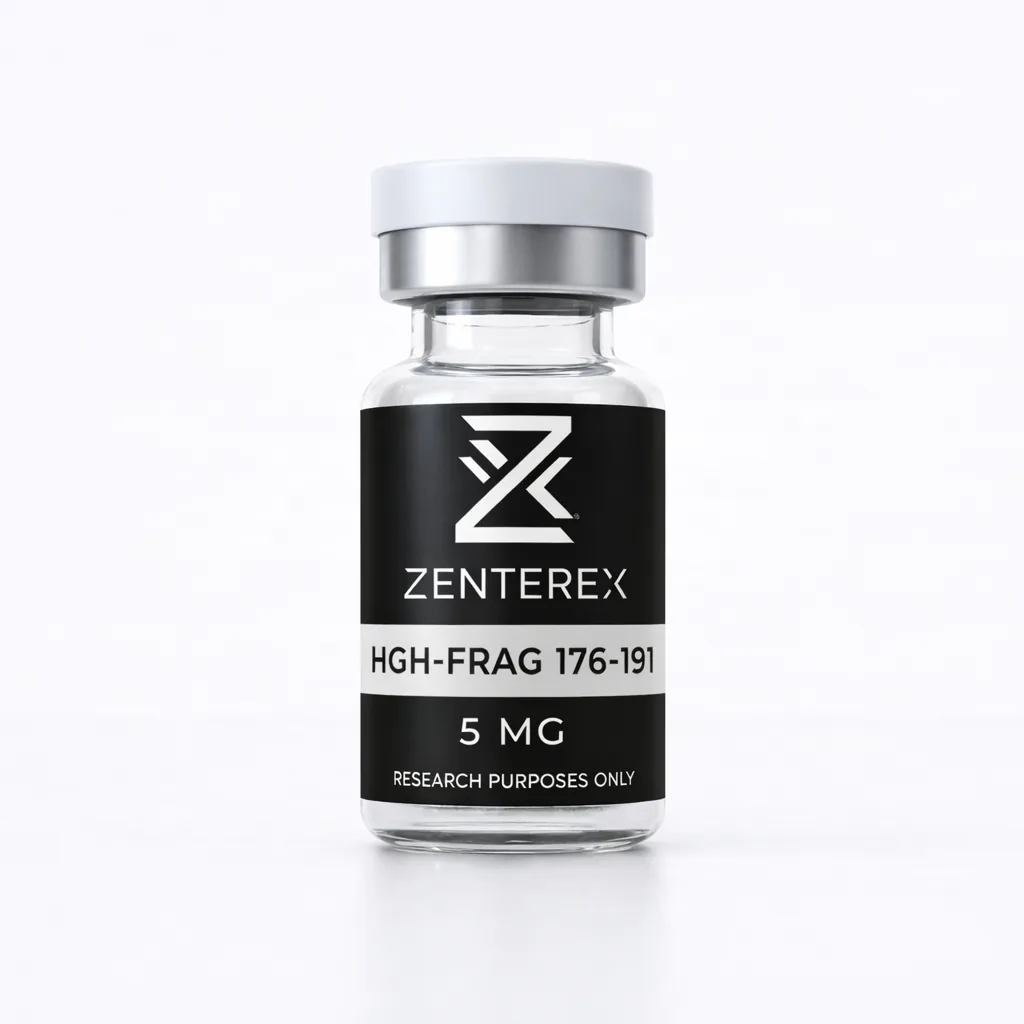
| The older version of that | HGH Frag 176-191 | Same region, different modification |
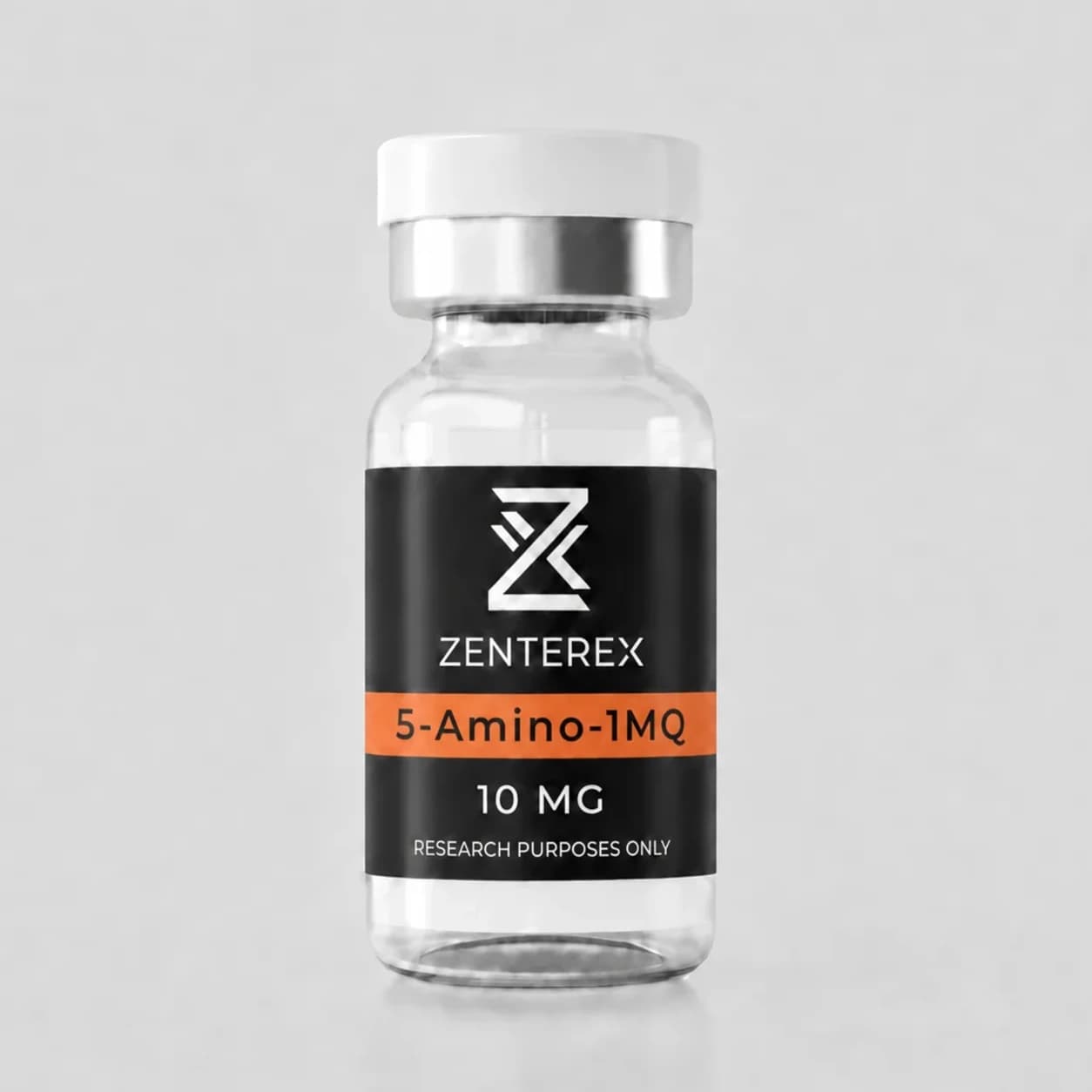
| Block a metabolic brake | 5-Amino-1MQ | Blocks an enzyme that slows fat cell metabolism |
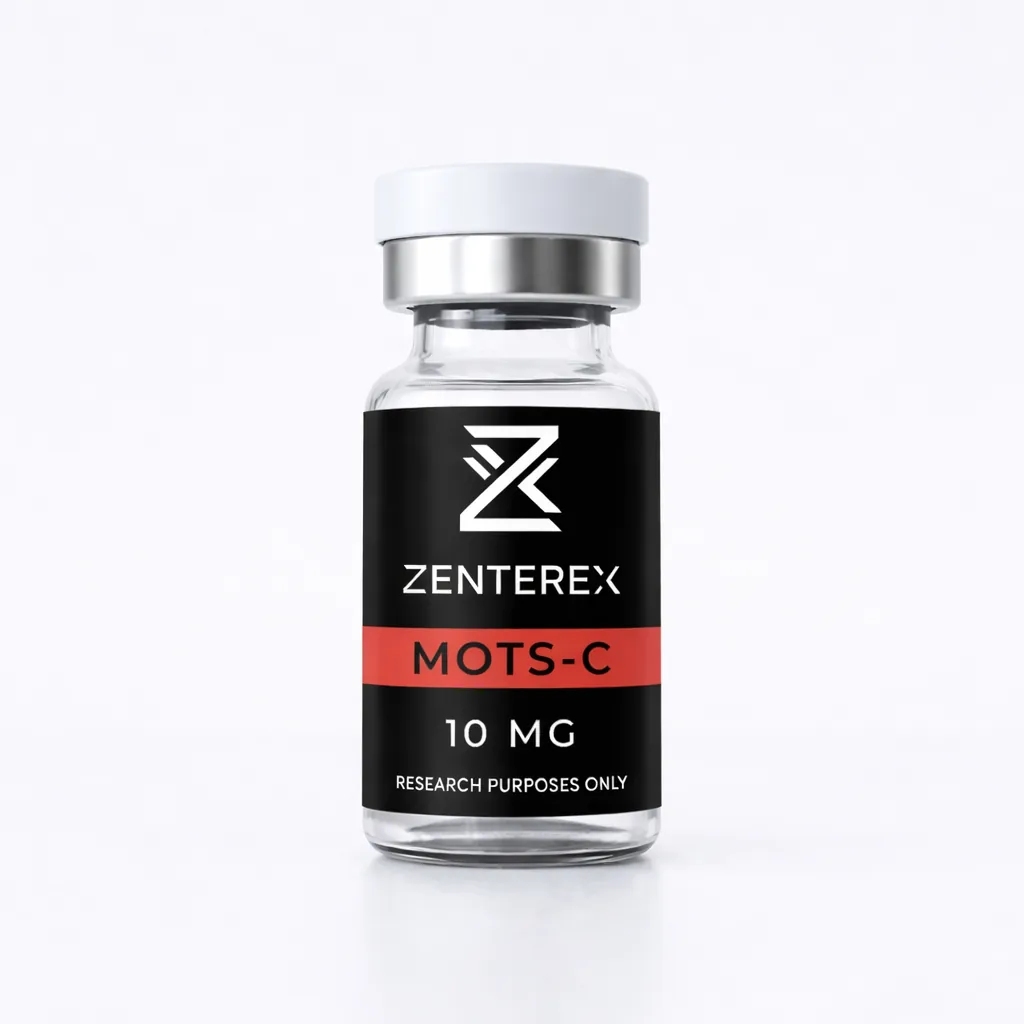
| More energy, not less appetite | MOTS-C | Works inside the mitochondria |
Appetite and energy are different problems. Be honest about which one is yours.
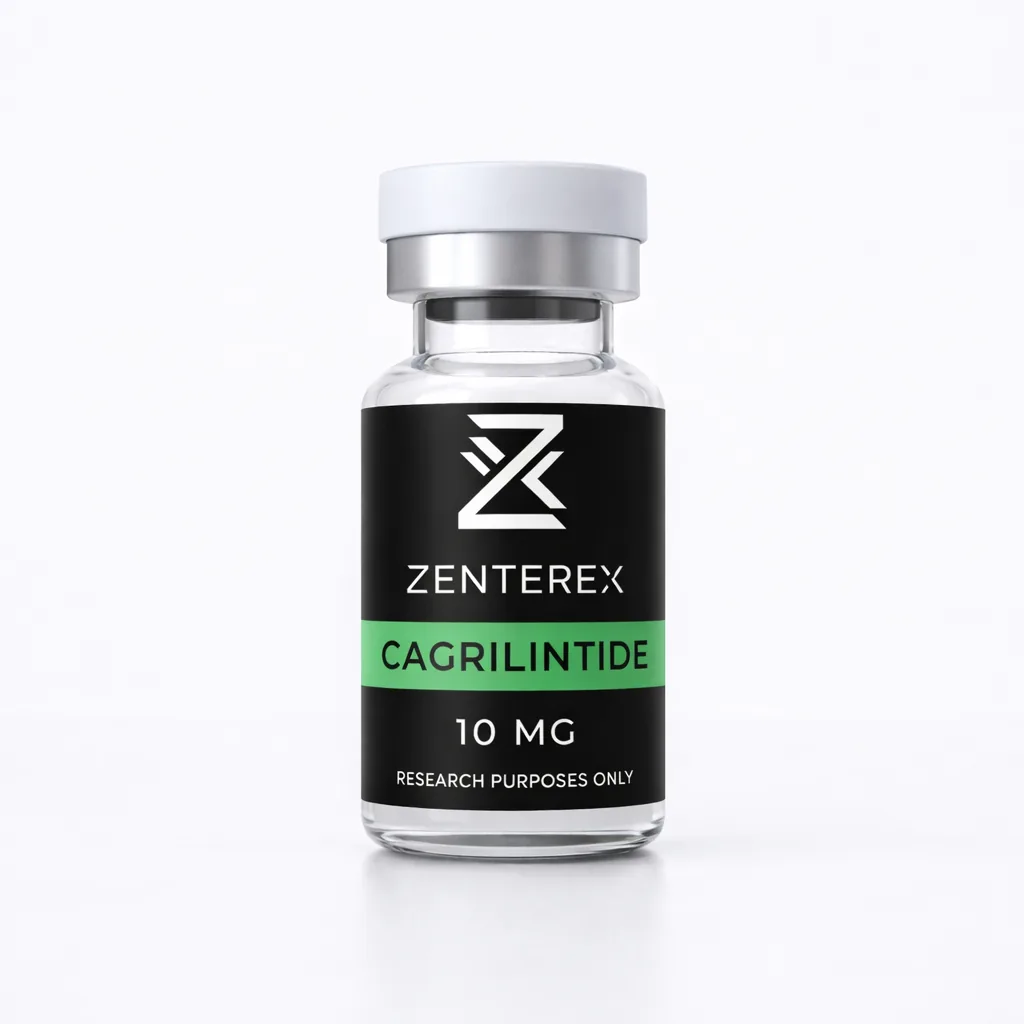
Cagrilintide — the appetite one
This is the strongest tool here, and the one most people are actually looking for.
Cagrilintide copies amylin, a hormone your pancreas releases with insulin. Amylin is one of the signals that tells your brain you have eaten enough. The lab-made copy has a fatty tail bolted on, which makes it last far longer than the natural version.
What people report. Meals end sooner. Snacking drops. The constant background thinking about food quietens down.
Typical use. Once weekly, starting low and increasing slowly. Starting at the full dose is the main cause of nausea.
Worth knowing. It works on appetite, not on fat cells. If your problem is that you eat well and still cannot shift weight, this is probably not your compound.
Our full guide covers dosing properly, and how it compares to semaglutide is the question most people ask next.
AOD-9604 and HGH Fragment — the fat-specific ones
Both are the same short piece of human growth hormone, beads 176 to 191.
Growth hormone does two broad things: it grows tissue, and it mobilises fat. This fragment is the part associated with the second, without the first. That is the entire appeal.
The two differ by about one gram per mole and are easy to confuse. Our comparison sorts them out.
How people use them. Alongside training rather than as the main lever. They suit people who are already lean and working on a stubborn area.
5-Amino-1MQ — the enzyme blocker
Not a peptide at all. It is a small molecule that blocks an enzyme called NNMT.
That enzyme sits in fat cells and acts as a brake on their metabolism. Block it and the cells burn more. That is the theory, and the animal work supports it.
Why people like it. It is taken orally, which is its main practical advantage over everything else on this shelf.
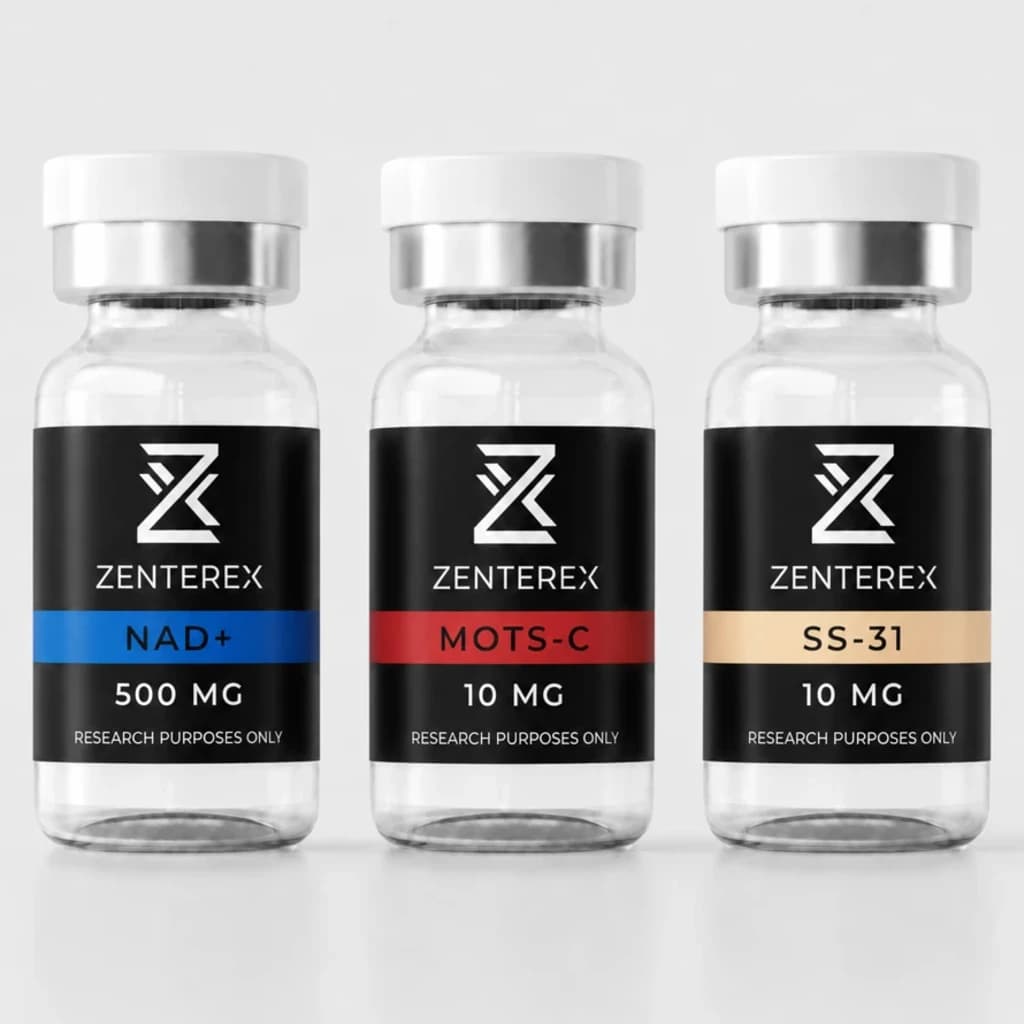
The energy group — MOTS-C, SS-31, NAD+
These are not fat loss compounds. They are grouped here because they sit in the same shelf and because low energy and stalled fat loss often arrive together.
- **MOTS-C** is a peptide written inside your mitochondria's own DNA. It is studied around AMPK, the sensor cells use to notice they are low on fuel.
- **SS-31** goes to the inner wall of the mitochondrion and is studied around keeping that membrane working.
- **NAD+** is the helper molecule the whole energy chain runs on.
All three come as a bundle. Our guide to the group explains how they differ.
What to actually run
If appetite is the problem: cagrilintide alone. Do not stack it with anything at first. You want to know what it is doing.
If you train hard and want to protect the result: AOD-9604 or HGH Fragment, alongside the training, not instead of it.
If you are flat and tired as well: add the mitochondrial group.
Our fat loss stack guide covers the combinations people actually use.
Everything we sell is supplied for research purposes. It is not a medicine and it is not approved for medical use.