
The Best Peptides for Anti-Ageing and Skin
Epitalon, FOXO4-DRI, GHK-Cu and the melanotans. What each targets, which have real evidence, and which are earlier than the marketing suggests.
This is the fastest-moving corner of the market. Here is what each compound targets and where to start.
The short answer
| Goal | Compound | Evidence |
|---|---|---|
| Skin, collagen, hair | GHK-Cu | The strongest here |
| Telomeres and cell ageing | Epitalon | Real, but mostly Russian and hard to check |
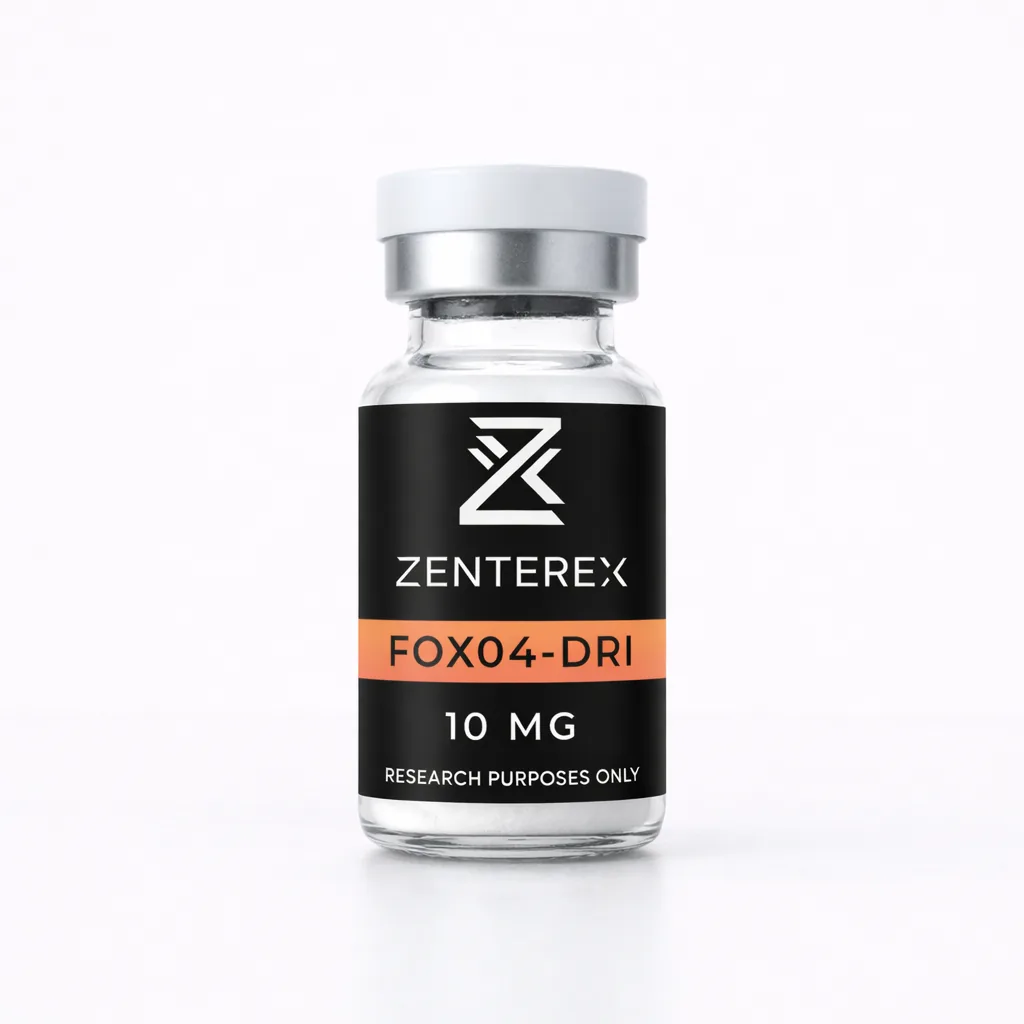
| Clearing worn-out cells | FOXO4-DRI | Interesting, and early |
| Tanning | MT-2 or MT-1 | Well understood, with real trade-offs |
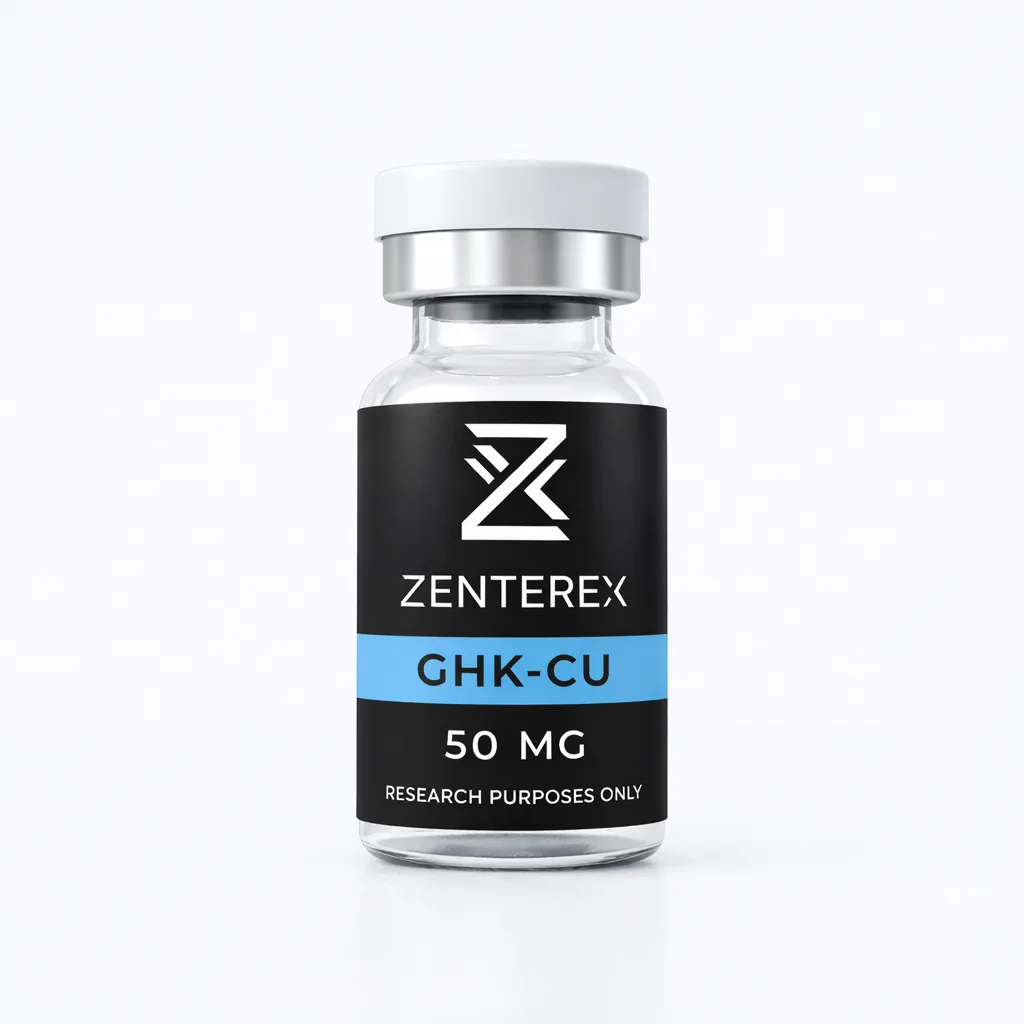
If you want one thing that visibly works, it is GHK-Cu, and the effect is cosmetic rather than systemic.
GHK-Cu — the one that shows
GHK-Cu is three amino acids wrapped around a copper atom. It was found in human blood in the 1970s, and levels of it drop as people age. That observation is what started the whole field.
It is the active ingredient behind every "copper peptide" serum sold. Buying the raw compound is dramatically cheaper than buying it in a cream.
Studied for. Collagen production, skin firmness, scar appearance, hair.
How it is used. Topically on the skin, or injected. Topical is the common route for cosmetic goals, and it is the only compound here that works that way.
It is blue. Copper compounds of this kind are. A colourless GHK-Cu solution is the thing to worry about.
Our skin and hair guide covers how people use it.
Epitalon — the telomere one
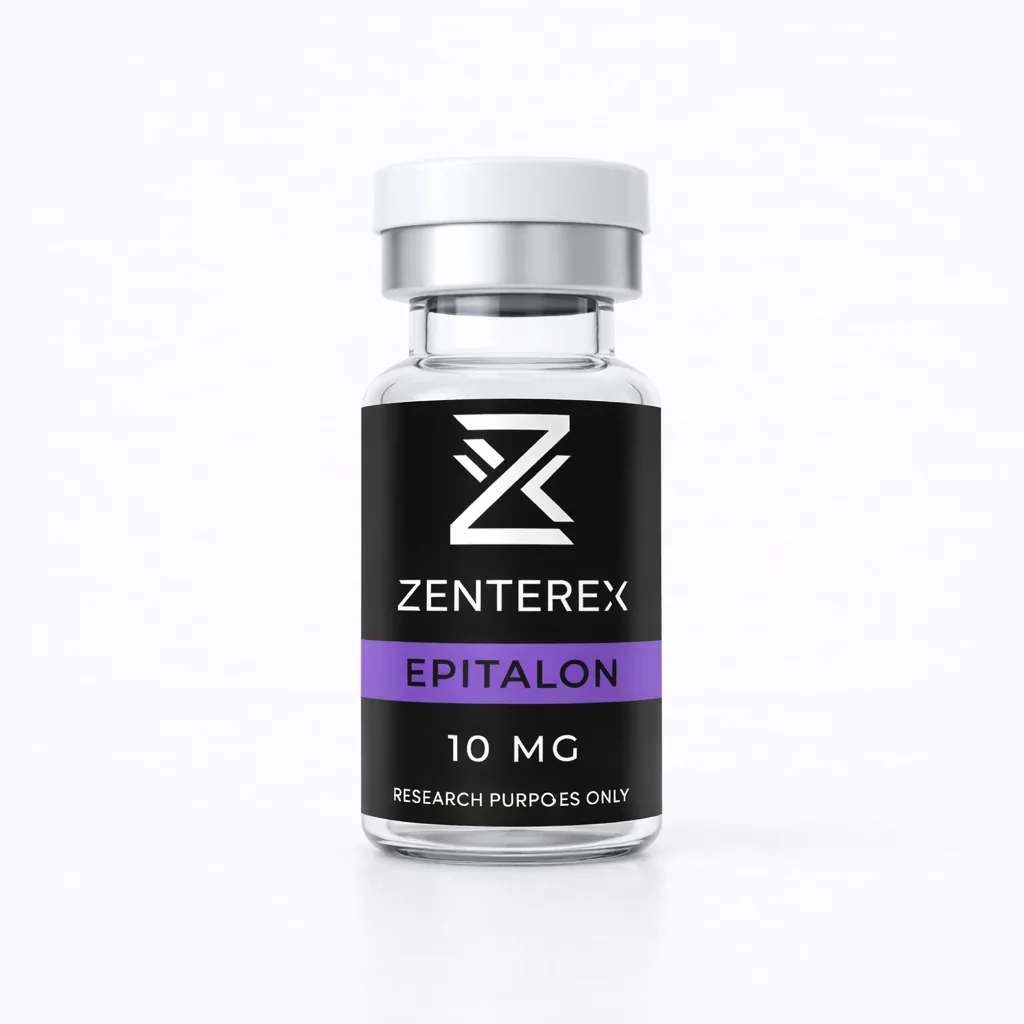
Epitalon is four amino acids, the shortest thing we sell. It came out of Russian research on pineal gland extracts.
The interest is telomeres, the caps on the ends of your chromosomes. They shorten each time a cell divides, a bit like the plastic tip wearing off a shoelace. When they run out, the cell stops dividing. Epitalon is studied around the enzyme that rebuilds them.
Be careful reading about this. A lot of the published work is about epithalamin, a gland extract, not about the defined four-bead peptide. An extract is a mixture. Showing something about the mixture is not showing it about one ingredient.
It is the difference between orange juice and vitamin C. Our full guide explains what to check.
FOXO4-DRI — the interesting, early one
As you age you accumulate senescent cells: cells that have stopped dividing but refuse to die, and sit there causing inflammation. Think of a light that will not switch off.
FOXO4-DRI is designed to get between two proteins that keep those cells alive, so they can finally clear.
It is a clever molecule, built backwards out of mirror-image amino acids so enzymes cannot cut it. Our guide explains the design.
Where it sits. This is the newest compound we sell. The research behind it is some of the most exciting in the field.
The melanotans — tanning
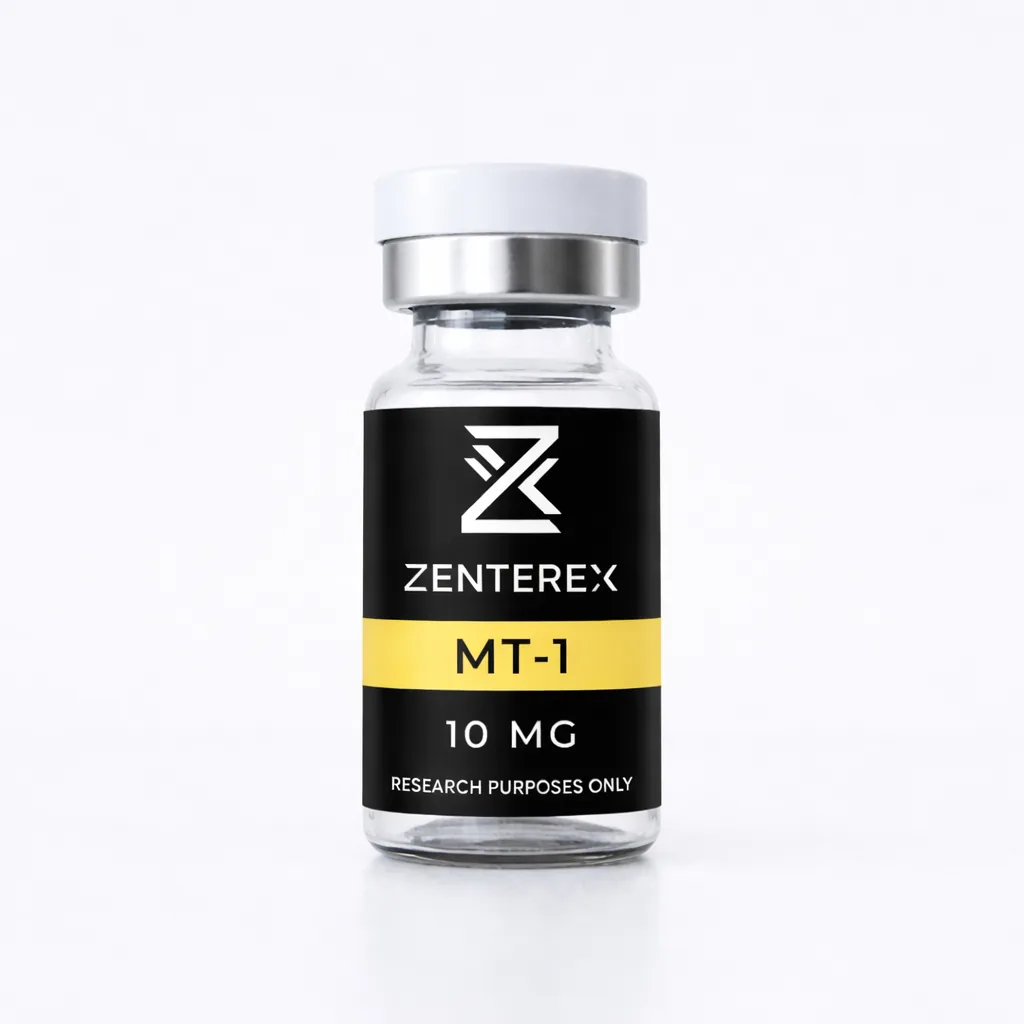
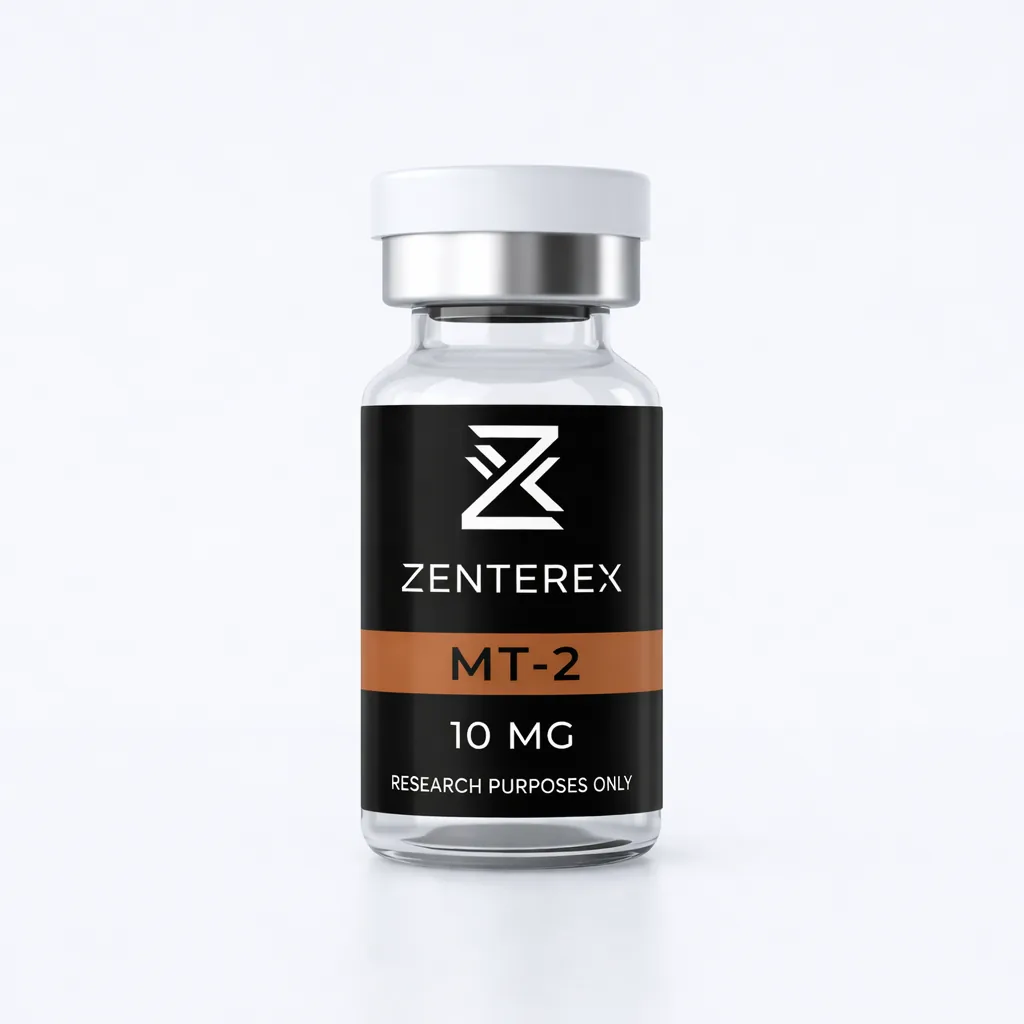
MT-2 and MT-1 came out of University of Arizona research in the 1980s into tanning without sun exposure. The original medical logic was reducing skin cancer risk in people who burn.
They work by triggering pigment cells to produce melanin.
MT-2 hits several receptors, so it does several things. Tanning, plus effects on appetite and libido that some people want and some do not.
MT-1 is fussier and mostly sticks to the pigment receptor. Fewer extra effects, more injections needed.
Our comparison covers the trade-off, and our tanning guide covers how people run it. Both have real side effects worth reading about first.
What to actually run
For visible results: GHK-Cu, topically. It is the only one here where you will see something in the mirror in a couple of months.
For the systemic idea: Epitalon, with realistic expectations.
For tanning: MT-2 if you want the strongest effect, MT-1 if you want fewer surprises.
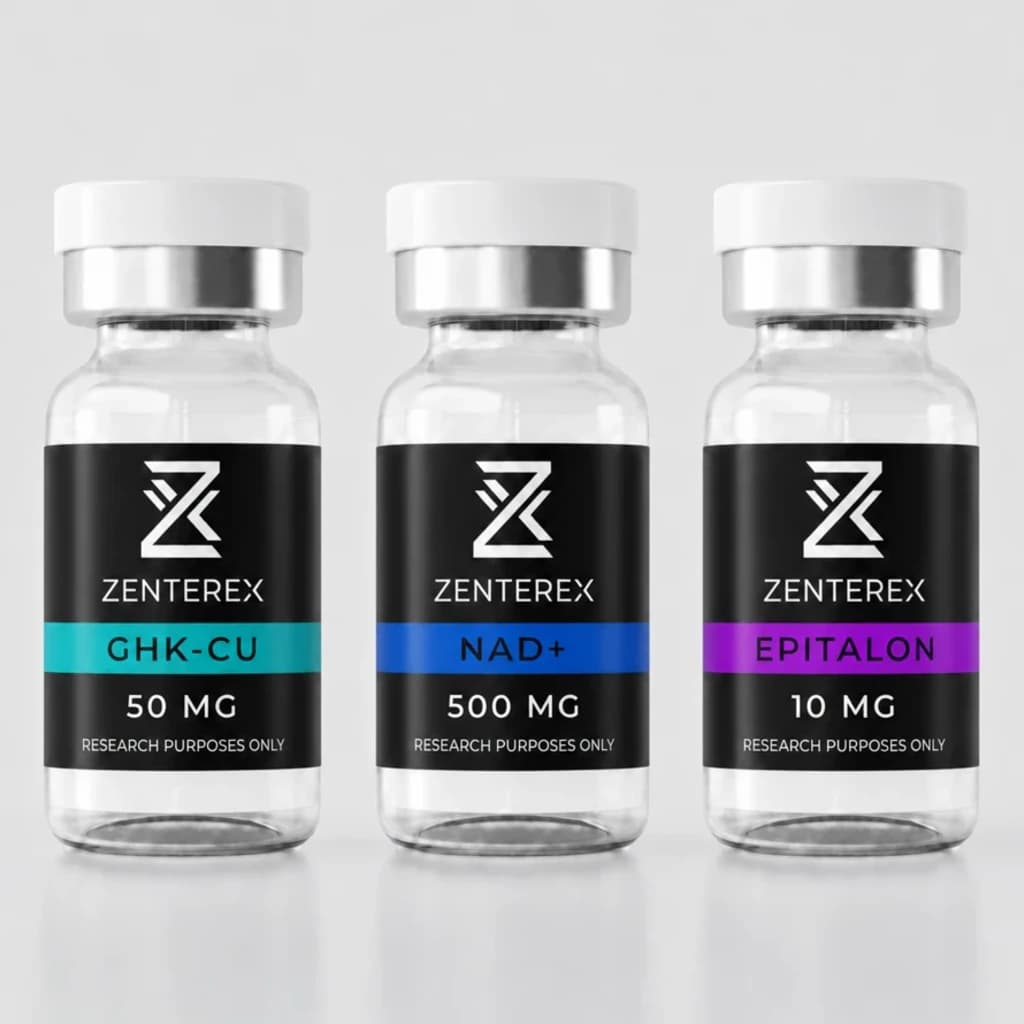
GHK-Cu, NAD+ and Epitalon come as a bundle.
Everything we sell is supplied for research purposes. It is not a medicine and it is not approved for medical use.